How to judge pack value the right way
The biggest mistake players make when ranking packs is chasing rarity instead of playability. A pack full of gorgeous cards can still be low value if those cards do not anchor real decks, share trainer staples, or help complete a competitive shell. The best pack to open is the one that moves you from 'almost playable' to 'ladder ready' with the fewest wasted pulls.
That means you should evaluate packs using three questions. First, how many cards from this pack appear in current competitive lists? Second, do those cards belong to one strong deck or several? Third, if I open duplicates, do they still help future builds? Packs that answer yes to all three are long-term winners for both ladder players and F2P accounts.
This guide pairs especially well with [Pack Opening Strategy Guide](/guides/pack-opening-strategy) and [Best Cards To Craft](/guides/best-cards-to-craft). Opening and crafting should support the same plan. If they point in different directions, you bleed progress.
S-tier packs for competitive value
S-tier packs are the ones you can recommend to almost any developing account without much context. They usually contain either a complete top ladder deck or multiple pieces that overlap with several strong lists. That overlap matters because it protects you from bad luck. Even if you miss the exact EX attacker you want, you may still pull support cards, evolution lines, or staples that retain value later.
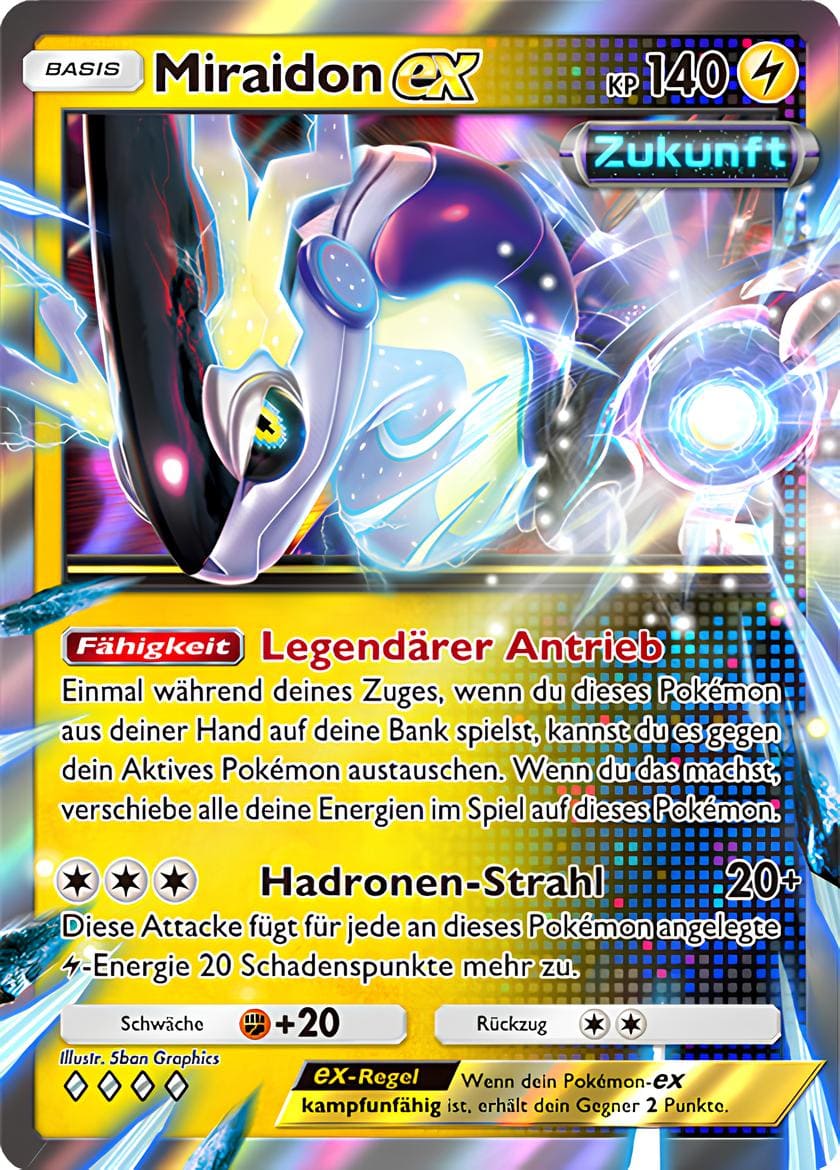
Paradox Ansturm has been one of the clearest examples of this kind of pack value. Cards tied to decks like Miraidon EX Magnezone keep appearing in serious lists, and the pack's supporting pieces rarely feel dead. For players who want a straightforward ranked route, this kind of pack is ideal because it rewards narrow focus. You are not opening it for a dream pull. You are opening it because most successful outcomes improve your account.
A-tier and B-tier packs: when they are actually worth it
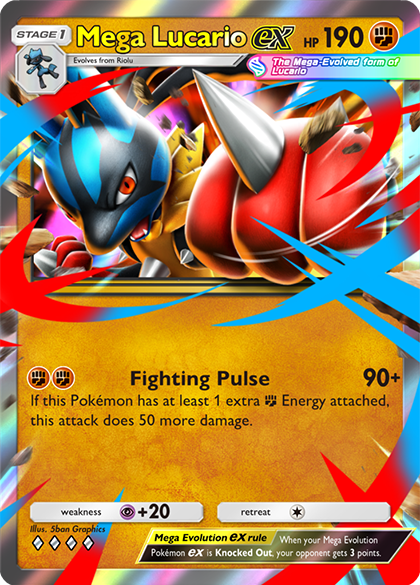
A-tier packs are strong, but usually need context. Mega Evolution, for example, can be excellent if you already know you want [Mega Lucario EX](/decks/mega-lucario-ex) or [Mega Sceptile EX](/decks/mega-sceptile-ex). The pack has real payoff, but it may ask for a little more patience because evolution-focused decks often need several linked pieces before the list feels complete.
B-tier packs are not bad. They are simply lower priority when your collection is still thin. A pack can contain useful cards like tech attackers or control tools and still be the wrong place to spend your next twenty opens if it does not help you build a stable main deck. That is the difference between 'playable' and 'good for progression.' A seasoned player might open a B-tier pack to target one specific answer card. A new account usually should not.
Resource priorities for new and F2P accounts
If you are F2P, the goal is not to own a little bit of everything. The goal is to finish one excellent deck, then expand from a position of strength. That usually means opening one high-value pack repeatedly, using Wonder Picks to fill single-card gaps, and saving premium resources until the last missing piece is obvious. Players who split their first month across four packs often end up with multiple interesting binders and zero clean ranked lists.
A strong practical sequence is this: choose your target deck, confirm which pack contains the most important cards, open only that pack until you are close, then use crafting and Wonder Pick decisions to patch the remaining holes. After your first real deck exists, you can begin looking for overlap into a second list. [F2P Progression Guide](/guides/f2p-progression-guide) and [Best Free-To-Play Decks](/guides/best-free-to-play-decks) are the best follow-up reads for that process.
Do not forget shop tickets and pack points in this calculation. A pack that gives you playable pulls plus a realistic crafting path is often better than a pack with a slightly higher ceiling but no efficient backup plan.
Common pack-opening mistakes
The first mistake is chasing hype from social media without checking whether the showcased deck fits your collection. The second is abandoning a good target pack after a cold streak. Variance can make a smart plan feel bad for several days, but scattered opening is still worse. The third mistake is evaluating a pack by one signature card instead of by the total number of useful hits inside it.
Another common error is moving into a side pack too early because you already own one copy of the headliner card. Many competitive lists need duplicates, supporting pieces, and consistency trainers before they feel finished. One copy of a marquee EX often means 'you are halfway there,' not 'time to move on.'
Finally, avoid opening purely for cosmetic value unless your account is already stable. Alt arts are great endgame rewards, not early progression tools.
Ranked recommendations and deck examples
If your aim is ranked efficiency, choose packs that unlock clean ladder decks. Mega Evolution is attractive because it can lead directly into Mega Lucario EX, a deck that is forgiving enough for improving players but powerful enough to keep winning at higher tiers. Likewise, packs connected to Miraidon EX Magnezone offer a clear upgrade path from early learning into serious ranked climbing.
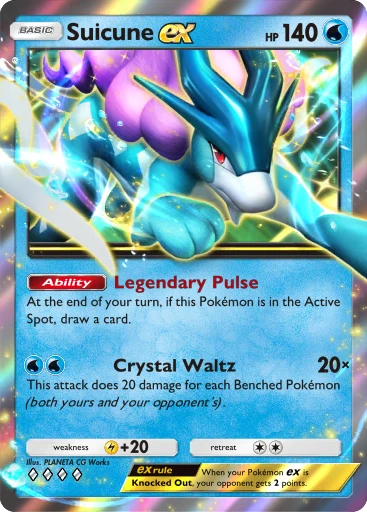
For players who enjoy slower, more methodical games, packs supporting [Suicune EX Baxcalibur](/decks/suicune-ex-baxcalibur) can still be worthwhile, especially if you already own some of the trainer shell. The key is matching the pack to the deck you will actually queue, not the one you vaguely admire. Pack value is always contextualized by your next ten ranked matches.
Frequently Asked Questions
Should I open the newest pack first?
Not automatically. New packs generate hype, but the best pack is the one with the highest concentration of cards for the deck you are actually building.
Is it bad to split openings across multiple packs?
Usually yes for newer accounts. Splitting slows your first completed deck and spreads your progress too thin.
When should I stop opening a pack?
Stop when your main deck is basically complete or when the remaining missing cards are better solved with crafting and Wonder Pick support.
Do cosmetic cards change pack value for progression?
Not much. They are nice bonuses, but competitive playables and overlap into future decks matter far more for account growth.
Decks mentioned in this guide
Related guides
Got questions?
Drop into the Discord — most beginners get a deck-list reply within an hour.
Join the Discord