
The F2P roadmap starts with discipline
Free-to-play success in Pokémon TCG Pocket is not about denying yourself fun. It is about making sure your fun also improves your collection. Every hourglass, pack open, Wonder Pick, and shop purchase should either strengthen your current ladder deck or move you toward the next one. When players say F2P is hard, what they often mean is that inefficient progress is punishing.
A strong F2P account is built in layers. First you create a reliable daily routine. Then you finish one competitive deck. After that you use overlap, efficient crafting, and better matchup knowledge to turn that single deck into real ranked progress. The players who seem to 'beat the system' without spending are usually just better at choosing what not to chase.
This guide focuses on practical progression: what to do first, what to avoid, and how to turn limited resources into lasting competitive value.
Week 1: build your foundation correctly
Your first goal is not variety. It is structure. Clear beginner content, finish one-time missions, and claim every easy resource source available. Early solo rewards are some of the highest-value free resources because they cost time, not account power. That makes them perfect for new players who do not yet own a proper ranked list.
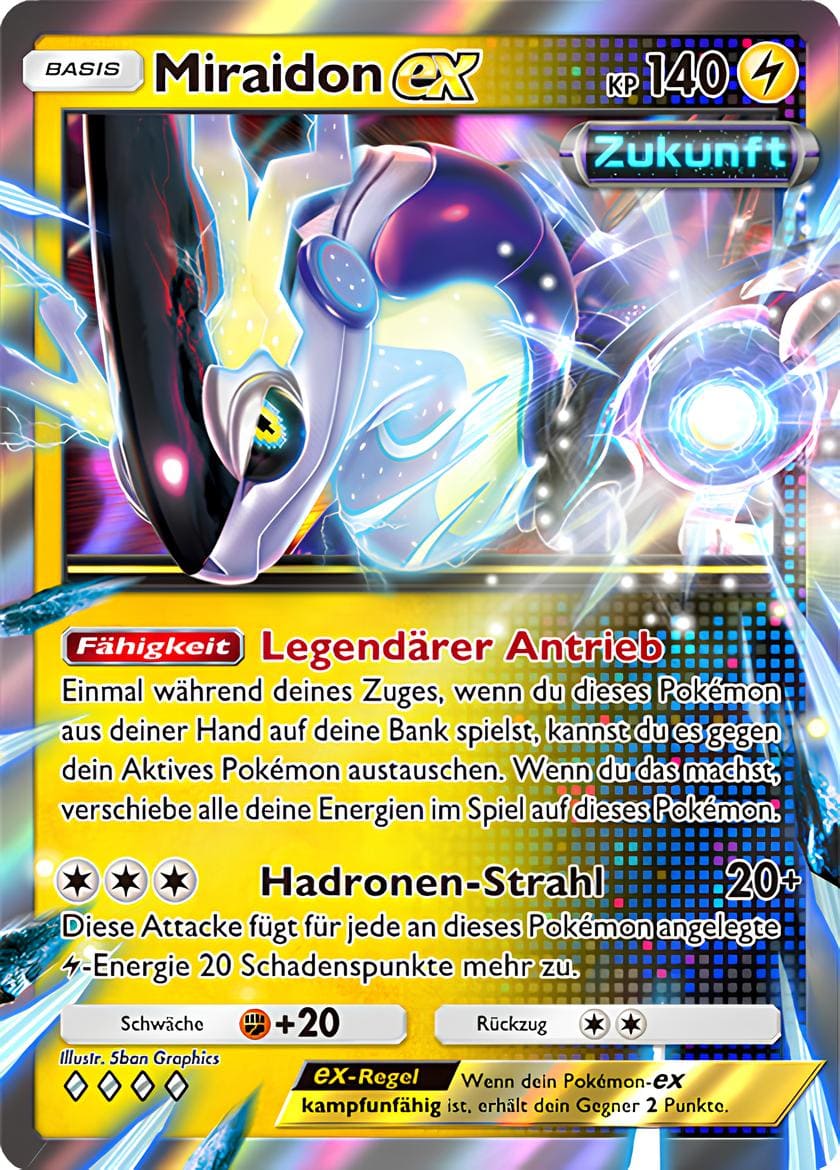
Use those resources to target one pack path with a real ladder destination. If your eventual plan is Mega Lucario EX, your opening decisions should reflect that immediately. If you want [Miraidon EX Magnezone](/decks/miraidon-ex-magnezone), commit early and accept that the deck may take longer but pay off harder. The worst first-week outcome is spreading your resources across multiple ideas and finishing none of them.
Also start learning fundamentals before ranked pressure becomes part of every game. Concepts like energy timing, bench management, and prize mapping matter more than fancy tech choices in the first stage of progression.
Weeks 2 to 4: finish a real ranked deck
Once your resource flow begins to stabilize, your whole account should be organized around completing one real deck. This is the stage where many F2P players get distracted. They pull one interesting EX from another set, see a flashy clip online, and suddenly abandon a nearly complete list for a new chase. That decision often costs more progress than an unlucky week of pulls.
Use a checklist: which core attackers are missing, which evolution pieces are missing, and which trainer staples still prevent the deck from feeling smooth? If a card is blocking the deck from functioning, it moves to the top of the priority list. If a card is only improving the deck from good to slightly better, it can wait.
At this stage, related resources matter a lot. [Best Packs To Open](/guides/best-packs-to-open), [Pack Opening Strategy Guide](/guides/pack-opening-strategy), and [Best Cards To Craft](/guides/best-cards-to-craft) should all point toward the same goal. When they do, your collection starts compounding instead of drifting.
Resource priorities that matter most
Priority one is any resource that converts into competitive cards. Priority two is anything that helps you finish a deck faster, such as targeted pack openings or patching single-card gaps through smarter supporting systems. Priority three is flexibility for future decks. Cosmetics, luxury upgrades, and speculative pulls belong after the basics are secure.
A very common resource mistake is spending too early because the player wants the relief of 'being done' with a decision. But F2P progression improves when you delay irreversible choices until your path is clear. If you are one piece away from a stable deck, spend decisively. If you are still unsure which deck you are finishing, gather a little more information first.
Another key principle is to make duplicates useful. Packs and crafts that support multiple decks are better long-term investments than equally powerful cards that only live in one narrow list. That is why progression-friendly archetypes remain so valuable for low-spend and no-spend accounts.
Ranked goals for F2P accounts
Your first ranked season should focus on learning without bleeding resources. Aim for stable improvement, not a miracle finish. Great Ball and early Ultra Ball are realistic, meaningful milestones if you are still completing your first optimized list. Once that deck is finished and you understand your main matchups, the next season becomes much more manageable.
Strong F2P players also choose ranked goals that match their collection. If your deck is stable against aggressive ladders but weak into certain control shells, climb during windows where the field is friendlier. If the meta becomes hostile, use that time to improve decision quality rather than panic-crafting a new deck. [How Ranked Works](/guides/how-ranked-works) and [How To Climb Ranked Faster](/guides/climb-ranked-faster) explain how to translate that discipline into actual points.
The good news is that skill matters more and more as your collection stabilizes. Once you own one or two legitimate decks, your future growth depends less on spending and more on sequencing, matchup study, and avoiding emotional resource decisions.
Common F2P mistakes and better alternatives
Mistake one: opening every new release out of fear of missing out. Better alternative: finish your current deck first and let the new release settle. Mistake two: buying cosmetic upgrades before your card pool is stable. Better alternative: treat cosmetics as a reward after your ladder core is complete. Mistake three: changing your plan every time you pull a random exciting card. Better alternative: ask whether that card improves a deck you can actually finish soon.
Mistake four is ignoring the value of low-friction daily gains. Missing a few small daily sources repeatedly can cost you more over a month than one unlucky craft. The best F2P accounts are usually not built on one genius decision. They are built on hundreds of correct small decisions.
If you want a simple rule, use this one: every meaningful spend should answer the question 'what deck gets better today because of this?' If you cannot answer clearly, wait.
Frequently Asked Questions
What should a new F2P player focus on first?
Finish one competitive deck path instead of collecting a little from everywhere. One complete deck is worth much more than several unfinished ones.
Can F2P players reach high ranks?
Yes. Once you own one or two real decks, progress is driven more by play quality and matchup knowledge than by spending.
Should I save resources for future sets?
Only after your current deck and progression path are stable. Saving is smart, but not if it keeps you weak on ladder right now.
What is the biggest F2P trap?
Scattered decision-making. Splitting pack opens, crafts, and shop spending across too many ideas slows your account dramatically.
Decks mentioned in this guide
Related guides
Got questions?
Drop into the Discord — most beginners get a deck-list reply within an hour.
Join the Discord