
How the ranked ladder is structured
Ranked in Pokémon TCG Pocket is built around steady progression through multiple divisions. You climb from the early beginner tiers into Great Ball, then Ultra Ball, and finally Master Ball, with each step demanding a better win rate and cleaner decision-making. The important thing to understand is that the game is not only measuring whether you can win a single match. It rewards whether you can win repeatedly against a wide variety of meta decks.
That matters because a lot of new players treat ranked like a casual mode with prizes attached. They bounce between decks, queue when tilted, and assume a few high-roll games are enough to move up. In reality, ranked is closer to a consistency test. If your deck and play patterns are stable, you rise. If they are volatile, you stall even if the deck feels powerful in isolated games.
A good first milestone is not 'hit Master Ball immediately.' A better goal is to understand what each rank is asking from you. Early ranks mostly test basic sequencing and whether your deck can curve out. Mid ranks punish weak deck construction and sloppy prize trades. High ranks force you to know the current meta, your matchup plan, and when to play around specific outs.
Points, streaks, and why short sessions matter
Win streaks are the hidden engine of fast ladder progress. Consecutive wins usually produce better total rank gains than trying to brute-force volume through equal numbers of wins and losses. That is why many strong players use short, focused sessions instead of endless grinding. A sharp 4-game block where you go 3-1 is more valuable than a tired 15-game session where you finish 8-7 and lose your edge in the last third.
If you win two games in a row, your next queue matters more than usual. That is the point where you should slow down, review your opening hand decisions, and avoid distractions. Protecting a streak is not cowardly; it is part of efficient ladder strategy. When the streak ends, it is often correct to step away for a few minutes instead of immediately jamming the next match while frustrated.
This is also why the advice in [How To Climb Ranked Faster](/guides/climb-ranked-faster) works so well. You are not trying to maximize time in queue. You are trying to maximize quality games during the part of your session when you still recognize prize races, key gust turns, and opponent outs.
Season resets and demotion protection
Season resets are designed to keep the ladder active, not to erase all of your progress. Most seasons use a soft reset, which means strong players usually begin the next season below their previous finish but well above true beginners. That creates two important windows. The first few days of a season are chaotic because grinders, optimized lists, and returning players all collide. Later in the season, matchmaking often softens as the top end separates and more casual players settle into their natural rank.
Demotion protection also changes how you should use your time. When you first reach a new tier, that is usually the safest moment to test a tech change, learn a tricky matchup, or play a second deck for a few games. Before that threshold, you should normally prioritize your most stable list. After you secure the tier, you get breathing room to experiment without throwing away the entire climb.
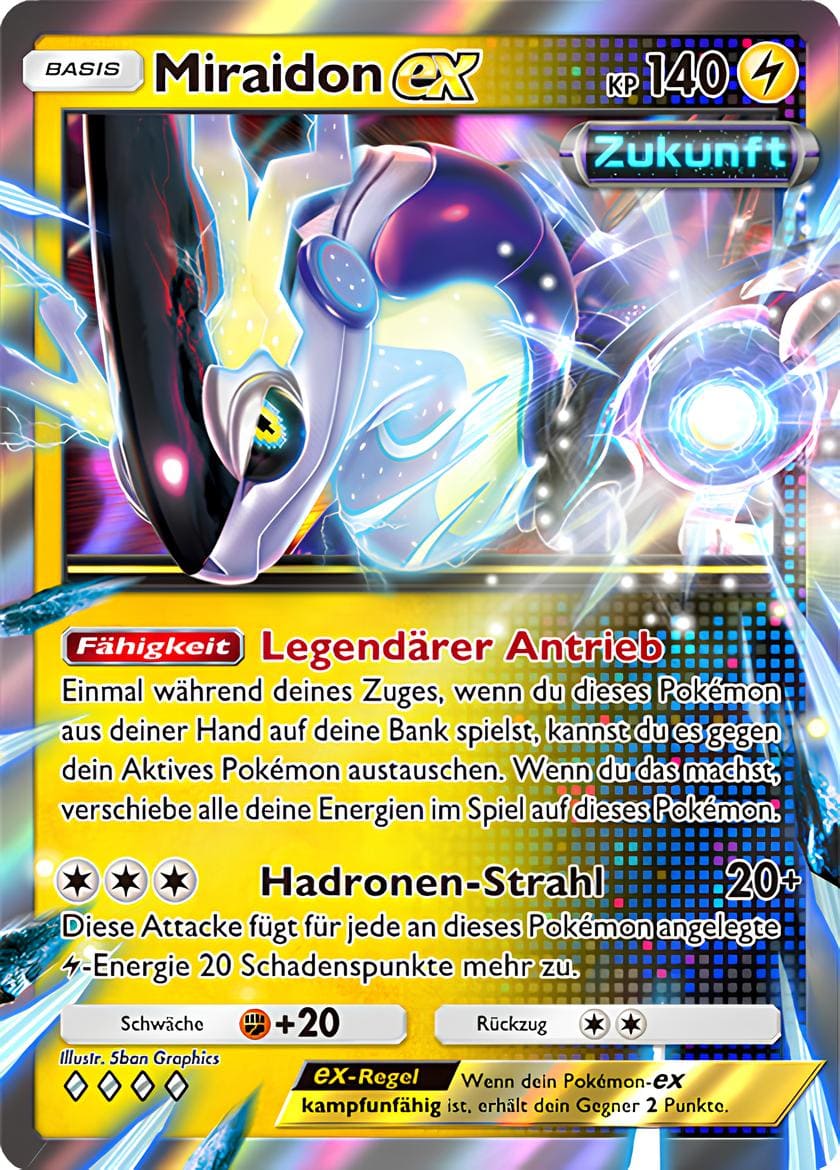
A practical example: if you just entered Ultra Ball with Miraidon EX Magnezone, you can spend a few games learning the Mega Lucario matchup or trying a one-card consistency swap. But if you are one win short of promotion, avoid experiments. Use your best-known list and play the line you trust most.
Deck choice for ranked beginners
Ranked rewards familiarity more than novelty. For most players, the best first ranked deck is not the fanciest one from the tier list. It is the deck you can pilot cleanly through the first four turns, identify mulligan-quality hands with, and understand when you are the aggressor versus when you need to slow the game down. That is why clean, proactive decks like Mega Lucario EX, [Miraidon EX Magnezone](/decks/miraidon-ex-magnezone), and [Suicune EX Baxcalibur](/decks/suicune-ex-baxcalibur) are such reliable ladder choices.
If your collection is still developing, use [Best Free-To-Play Decks](/guides/best-free-to-play-decks) and [F2P Progression Guide](/guides/f2p-progression-guide) to decide which list gives you the fastest competitive entry point. Ranked becomes much easier when your first real deck is complete instead of missing two critical pieces and trying to compensate with low-impact filler cards.
One of the biggest ranked misconceptions is that you need multiple decks to succeed. You do not. One well-built deck with a known game plan is enough to learn ladder fundamentals. A second deck becomes useful later, once you can identify when the meta has shifted enough that a different matchup spread is worth the swap.
Beginner tips and common mistakes in ranked
Beginner tip one: attach energy with purpose. New players often auto-attach to the current active because it feels efficient. In ranked, your attachment should support your next two turns, not just your current board. Beginner tip two: check the prize race before you attack. A flashy knockout on a low-value target can lose the entire game if it opens your EX to a clean return KO. Beginner tip three: if your hand already does what it needs to do, do not burn every support card at once. Preserve resources for the turn where the game actually swings.
The most common ranked mistakes are overbenching, playing too fast after a win streak, and blaming deck choice for sequencing errors. Another huge one is failing to identify when you are ahead. If you are leading in prizes and board position, you usually do not need a hero play. You need a safe line that denies the opponent outs. Many losses in Ultra Ball happen because a player who is already winning takes an unnecessary risk trying to end the game one turn earlier.
If these patterns sound familiar, read [Common Beginner Mistakes](/guides/common-beginner-mistakes) next. Fixing two or three repeat errors usually improves your ladder results more than crafting a brand-new deck.
Ranked recommendations for climbing efficiently
Queue ranked when you can give it real attention. Avoid laddering while half-watching streams, switching between apps, or trying to squeeze in games you know you cannot finish calmly. Use a simple notebook or notes app to track three things: what deck you faced, whether you won, and what turn the game swung. After ten to fifteen matches, patterns become obvious. You will see whether your issue is a bad matchup, weak mulligan decisions, or a repeated sequencing error.
Reviewing losses is especially valuable with meta decks. If you are on Miraidon EX Magnezone and losing to Mega Sceptile repeatedly, the answer might not be to abandon the deck. It may simply mean you are benching the wrong support piece too early or failing to set up the correct attacker for the prize race. Ranked rewards players who can separate matchup knowledge from emotional reactions.
Use the tier list as a tool, not a command. [Meta Tier List Explained](/guides/meta-tier-list-explained) can help you understand when a deck is strong for laddering versus when it is just popular. Combine that with disciplined sessions and a stable list, and ranked becomes much more predictable.
Frequently Asked Questions
How long should I stay on one deck in ranked?
At least 30 to 50 matches is a good baseline. That gives you enough games to learn real matchup patterns instead of reacting to short-term variance.
When is the best time to push ranked?
Push when you are focused and calm, not necessarily when you have the most time. Short, high-quality sessions usually outperform long tilted grinds.
Should beginners play ranked right away?
Yes, once you understand your deck's first few turns. Ranked teaches better habits than casual play, but you should enter with a coherent list and a basic plan.
What is the fastest way to improve on ladder?
Play one stable deck, review your losses, and clean up common sequencing mistakes. Consistency gains rank faster than constant deck switching.
Decks mentioned in this guide

Related guides
Got questions?
Drop into the Discord — most beginners get a deck-list reply within an hour.
Join the Discord