
Most beginner mistakes come from playing too many turns at once
New players often think their biggest problem is not knowing every card. Usually it is something simpler: they are making decisions for turn four while still on turn one. They bench too much, burn resources too fast, and expose their best attacker before the board demands it. Competitive play becomes much easier once you focus on the next important decision instead of trying to force the whole game immediately.
The good news is that beginner mistakes are extremely fixable. Most of them are not about account value or even matchup knowledge. They are about habits. If you build a better sequence for benching, attaching, trading prizes, and preserving support cards, your win rate rises fast even before you craft a stronger deck.
This guide focuses on the mistakes that show up again and again on ladder and in early deck reviews.
Board development mistakes
Overbenching is one of the most common errors because it feels safe. In reality, every extra Pokémon you bench gives the opponent more information and more targets. Bench pieces with a purpose: an evolution you intend to complete, a backup attacker you know you need, or a support Pokémon that actively helps your current plan. Randomly filling the bench reduces flexibility and can make bench damage or gust effects much stronger against you.
Another board mistake is promoting the wrong active. Your best attacker should rarely absorb unnecessary damage before it is ready. Use a cheap lead, a sacrificial piece, or a pivot-friendly opener if the matchup allows it. Stronger players win many games simply because they protect their real threat one turn longer than the opponent does.
These habits matter whether you are on a beginner-friendly list or a full meta deck.
Resource and sequencing mistakes
Many beginners either hoard cards too long or spend everything at once. Holding a draw supporter forever means your hand never improves. Burning every support card on the first turn leaves you empty when the game actually pivots. The right middle ground is to ask what each card does for the next two turns. If a support card smooths your setup now, use it. If the hand already functions and the matchup will hinge on a later turn, saving it may be better.
Energy attachments are another huge source of free losses. Missing an attachment or placing it on the wrong Pokémon often costs more than any single unlucky topdeck. Build a consistent routine: check your attack plan, attach with intent, then move to the rest of the turn. The more automatic your clean habits become, the fewer matches you give away without realizing it.
Prize trade awareness belongs here too. Knocking out a low-value basic with an EX attacker can feel strong, but if it exposes your EX to a clean answer, you may have lost the race on the spot.
Ranked mistakes beginners repeat
The ladder magnifies emotional mistakes. Players switch decks after one bad matchup, queue again immediately after a frustrating loss, or blame randomness for patterns that are actually coming from their own sequencing. Ranked rewards stability. One practiced deck and a calm session plan will outperform constant experimentation for most beginners.
Another repeated mistake is refusing to concede clearly lost games. Conceding is not giving up on improvement; it is protecting your time and mental state. If the board is unwinnable and the outs are gone, move on. Your next good game matters more than extracting one more losing turn from the current one.
If ranked still feels confusing, pair this with [How Ranked Works](/guides/how-ranked-works) and [How To Climb Ranked Faster](/guides/climb-ranked-faster). Those guides explain why cleaner habits directly convert into faster ladder progress.
Beginner tips that fix multiple mistakes at once
Tip one: narrate your own turn in your head. Which attacker is winning this game? What am I attaching to? What card am I playing around? That quick checklist prevents a surprising number of autopilot errors. Tip two: after each loss, identify one exact decision you would change. Not the entire match. One decision. This makes improvement concrete instead of emotional.
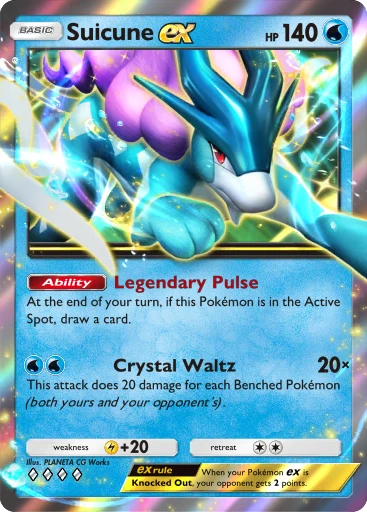
Tip three: use decks with clear plans while learning. Mega Lucario EX and [Suicune EX Baxcalibur](/decks/suicune-ex-baxcalibur) teach valuable fundamentals because their roles are easier to identify. Tip four: watch for repeated dead cards in your hand. If the same card keeps doing nothing, your list may need adjustment, not just better play.
Over time, these small corrections add up. Many players feel 'stuck' when they are really just repeating the same two or three mistakes every session.
Advanced habits to grow into
As you improve, start tracking common opponent outs. Ask what happens if they gust, heal, or promote a different attacker next turn. This does not mean overcomplicating every board. It means learning to spot the one or two realistic punish lines your opponent has and choosing the line that respects them.
You should also begin reviewing wins with the same honesty as losses. A sloppy turn inside a winning game is still a mistake. Cleaning those up early is how players become consistent instead of relying on strong draws to carry them.
Frequently Asked Questions
What is the most common beginner mistake?
Overcommitting the board too early is near the top of the list. Benching too much and exposing valuable pieces creates problems before the game really starts.
Should I switch decks if I lose several games in a row?
Not immediately. First check whether the losses came from matchup issues or repeated play mistakes. Constant deck switching slows improvement.
Is conceding bad practice for beginners?
No. Conceding clearly lost games can preserve time and focus, as long as you still review why the game became unwinnable.
How can I improve fastest as a new player?
Play one clear deck, review one mistake after each loss, and tighten basic habits like attachments, benching, and prize-trade decisions.
Decks mentioned in this guide
Related guides
Got questions?
Drop into the Discord — most beginners get a deck-list reply within an hour.
Join the Discord