Galarian Obstagoon Deck Guide
 Darkness
Galarian Obstagoon Iron Jugulis is a disruptive Pokémon TCG Pocket deck that punishes opponents for attacking Iron Jugulis, then converts that damage into powerful Merciless Strike knockouts. Iron Valiant improves Future attack costs, Piers removes Energy from key attackers, and Rocky Helmet turns every trade into a dangerous decision.

Deck List
Trainers (20)
Galarian Obstagoon
Galarian Zigzagoon
Iron Jugulis
Iron Valiant
Poké Ball
Rare Candy
Rocky Helmet
Future Booster Energy Capsule
Professor’s Research
Cyrus
Copycat
Piers
Juliana
Mesagoza
Energy
Source decklists
Source decklists referenced for this guide:
Strengths
- Iron Jugulis punishes the opponent for attacking it.
- Rocky Helmet increases passive damage pressure.
- Galarian Obstagoon can deal 130 damage to a damaged Active Pokémon.
- Iron Valiant reduces attack costs for Future Pokémon.
- Piers can remove two random Energy from the opponent’s Active Pokémon.
- Rare Candy accelerates the Galarian Obstagoon line.
- Juliana improves access to the Stage 2 Pokémon.
- Future Booster Energy Capsule improves Future attacker pressure.
- Cyrus can punish damaged Bench Pokémon that retreat.
- The deck creates difficult decisions for Energy-heavy and slow setup decks.
Weaknesses
- Galarian Obstagoon is a Stage 2 Pokémon and requires setup.
- Merciless Strike only reaches full damage against an already damaged Active Pokémon.
- Iron Jugulis must remain Active and be attacked for its Ability to create value.
- The opponent can avoid attacking Iron Jugulis or switch around it.
- Rocky Helmet is vulnerable to Tool removal.
- Piers requires Galarian Obstagoon to already be in play.
- Piers discards random Energy, so it is not fully predictable.
- Iron Valiant is useful support but is not always necessary every game.
- The deck can struggle if Galarian Zigzagoon is removed before evolving.
Key Matchups
- Mega Altaria EX & Espeon Even
- Mega Sceptile EX Favored
- Mega Lucario EX Darkrai Unfavored
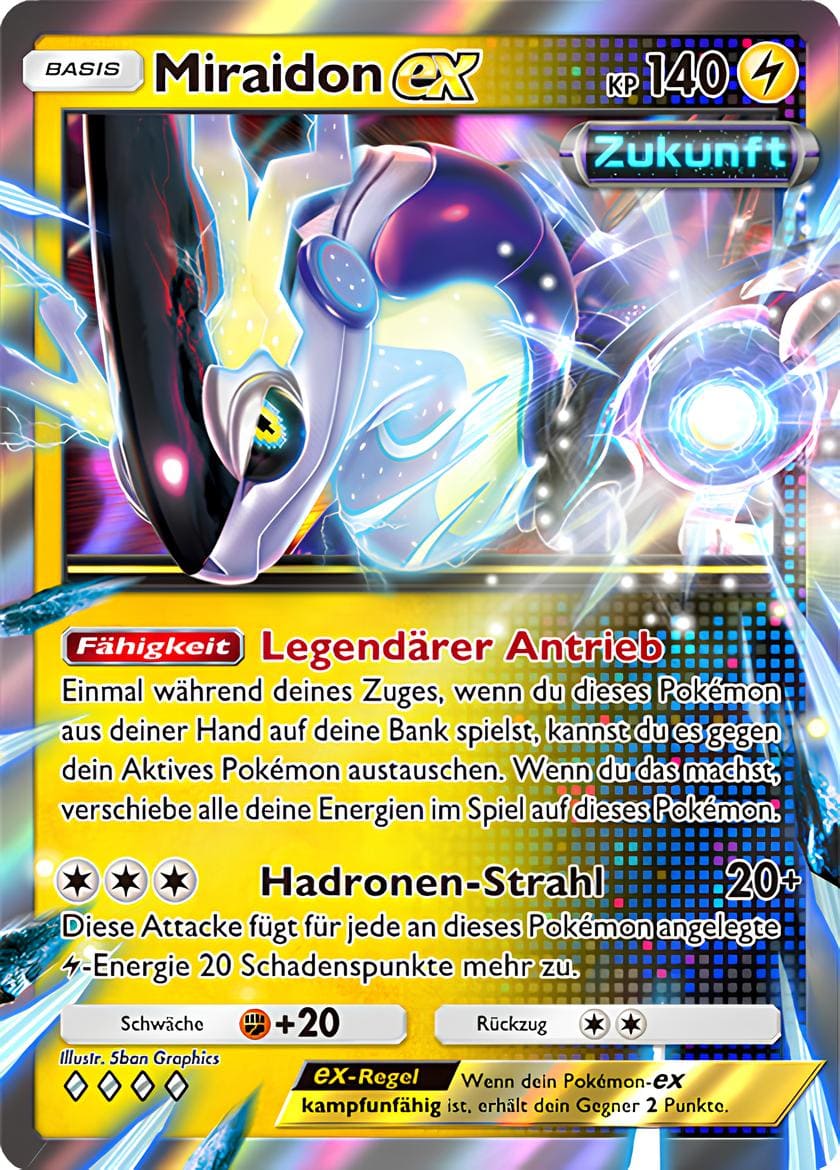
- Miraidon EX Magnezone Favored
Strategy Overview
Galarian Obstagoon Iron Jugulis is one of the more creative Future-based decks in Pokémon TCG Pocket. Instead of trying to win by simply using the largest attacker as quickly as possible, this deck creates a punishment loop. The opponent wants to attack Iron Jugulis. If they do, they take damage. If they avoid attacking Iron Jugulis, you gain more time to develop Galarian Obstagoon. Once the opponent’s Active Pokémon has taken damage, Galarian Obstagoon can turn that damage marker into a much larger attack through Merciless Strike. The deck therefore creates a difficult choice for the opponent. They can attack Iron Jugulis and accept damage on their own attacker, or they can delay their attack and allow you to continue developing your board. Galarian Obstagoon is the main finisher. Its Merciless Strike attack deals 70 damage normally. However, when the opponent’s Active Pokémon already has damage on it, Merciless Strike deals 130 damage instead. That 60 extra damage is the core payoff of the deck. The goal is not always to put Galarian Obstagoon Active as early as possible. In many games, the correct plan is to build Galarian Obstagoon safely on the Bench while Iron Jugulis occupies the Active Spot. Once the opponent has damaged itself by attacking Iron Jugulis, Galarian Obstagoon can come in and take an efficient knockout. Iron Jugulis is the card that makes this plan work. Its Ability activates when Iron Jugulis is Active and is damaged by an attack from the opponent. The attacking Pokémon takes 20 damage. That means the opponent can often trigger Merciless Strike for you just by attacking. This is why Iron Jugulis is much more than a setup Pokémon. It is a punishment piece. The opponent cannot simply attack into it without consequence. Rocky Helmet makes this even stronger. When Iron Jugulis holds Rocky Helmet and the opponent attacks it, the opponent can take damage from both Iron Jugulis and Rocky Helmet. That turns a normal attack into a much riskier exchange. A typical early-game board can look like this: Iron Jugulis starts Active. Galarian Zigzagoon is on the Bench. A second Galarian Zigzagoon is prepared if possible. Iron Valiant is benched when the Future attack-cost reduction may matter. Rocky Helmet is attached to Iron Jugulis. Galarian Obstagoon is prepared for the following turn. When the opponent attacks Iron Jugulis, they take passive damage. Once that happens, Galarian Obstagoon becomes a 130-damage threat against the damaged Active Pokémon. This can create very awkward turns for your opponent. They may need to retreat their attacker, heal it, play around Rocky Helmet, or accept that Galarian Obstagoon will take a strong knockout. Iron Jugulis can also attack when needed. Its attack is not your primary win condition, but Iron Valiant gives it useful flexibility. Iron Valiant’s Future System Ability reduces the attack cost of your Future Pokémon by one Colorless Energy. Because Iron Jugulis is a Future Pokémon, Iron Valiant can reduce its attack cost and make it easier to use as a backup attacker. This is especially useful when Galarian Obstagoon is not yet ready, when you need to keep pressure on the opponent, or when Iron Jugulis can take a clean knockout after passive damage has already accumulated. Iron Valiant should not be treated as the center of the deck. It is a support Pokémon that improves your options. In some games, its attack-cost reduction will matter immediately. In other games, it may simply sit on the Bench and make Iron Jugulis less awkward to use. Future Booster Energy Capsule adds another layer of value to the Future package. When attached to Iron Jugulis or Iron Valiant, it can improve the damage output of your Future attackers against the opponent’s Active Pokémon. The Tool is especially useful when Iron Jugulis must become an attacker rather than only a damage-punishment target. It gives the deck an alternative route when Galarian Obstagoon is not yet evolved or when the opponent has already played around the Merciless Strike setup. Piers is one of the strongest disruption cards in the list. Piers can only be played when Galarian Obstagoon is in play. When used, it discards two random Energy from the opponent’s Active Pokémon. This effect can completely disrupt slow decks, Energy-heavy ex attackers, Stage 2 strategies, and opponents who need several Energy attached before they can threaten a knockout. If the opponent has spent several turns powering one attacker, Piers can erase a large part of that investment. The timing of Piers is extremely important. Do not play Piers automatically the moment Galarian Obstagoon enters play. The card is strongest when the opponent has finally committed enough Energy to attack, when removing two Energy stops a knockout, or when their Active Pokémon cannot retreat efficiently. Piers becomes especially punishing after the opponent has already attacked Iron Jugulis. Their attacker may be damaged, their Energy may be removed, and Galarian Obstagoon may now threaten 130 damage. Those three pressures together can create a complete tempo swing. Juliana helps the deck find its Stage 2 piece more reliably. Since Galarian Obstagoon is a Stage 2 Pokémon, Juliana can help you find a random Stage 2 Pokémon from your deck and move toward the full evolution line faster. Rare Candy is equally important because it allows Galarian Zigzagoon to evolve directly into Galarian Obstagoon. This can create surprise turns where the opponent thinks they have time to attack Iron Jugulis safely, only for Galarian Obstagoon to arrive immediately and punish the damage they just took. Megagoza provides a small but useful recovery engine. It can return a random Pokémon from a player’s discard pile to their hand after a successful coin flip. In this deck, that can recover a lost Galarian Zigzagoon, Iron Jugulis, Iron Valiant, or other important Pokémon resource. Megagoza is not a guaranteed recovery card, so it should not be treated as a reliable combo piece. However, in a longer game, even one successful recovery can matter. It can give you another evolution line, another Iron Jugulis to place Active, or another Future support Pokémon. Professor’s Research, Copycat, and Poké Ball provide the consistency needed to establish the board. Poké Ball is especially important early because the deck needs Galarian Zigzagoon and Iron Jugulis. Professor’s Research is best when you need multiple pieces at once. Copycat is strongest when the opponent has built a larger hand. Cyrus is your main prize-control Supporter. Since the deck often leaves the opponent’s Active Pokémon damaged, Cyrus can pull up a damaged Bench Pokémon and create an easier knockout route. This is especially useful when the opponent retreats a damaged attacker after triggering Iron Jugulis and Rocky Helmet. Overall, Galarian Obstagoon Iron Jugulis is a pressure deck that punishes normal play patterns. The opponent wants to attack. The opponent wants to attach Energy. The opponent wants to retreat damaged Pokémon to safety. This deck turns each of those actions into a potential weakness.
Gameplay Video
Early Game
Your early game priority is Iron Jugulis Active and Galarian Zigzagoon on the Bench. Iron Jugulis is often the best opening Pokémon because it immediately threatens passive damage if the opponent attacks it. Attach Rocky Helmet early when you expect the opponent to attack into Iron Jugulis. Bench Galarian Zigzagoon as soon as possible. You want Galarian Obstagoon ready before the opponent can completely recover from the damage created by Iron Jugulis. Use Poké Ball to find the missing setup piece. If you already have Iron Jugulis, prioritize Galarian Zigzagoon. If you already have Galarian Zigzagoon, look for Iron Jugulis or Iron Valiant depending on your hand. Avoid evolving too early when you still need Brock-like setup effects does not apply here; instead, focus on whether Rare Candy or Juliana can create an immediate Obstagoon turn.
Mid Game
The mid game is where the punishment engine becomes active. Allow Iron Jugulis to absorb an attack when the trade is favorable. If the opponent attacks it, their Active Pokémon takes damage. With Rocky Helmet attached, the opponent may take even more damage. Once the opponent’s Active Pokémon is damaged, bring Galarian Obstagoon forward and use Merciless Strike for 130 damage. Use Iron Valiant when reducing Iron Jugulis’s attack cost creates a useful backup attack. Do not force Iron Jugulis to attack every game. Its main job is often to make the opponent’s attacks uncomfortable. Use Piers when the opponent has committed enough Energy that removing two Energy will meaningfully delay them. The best Piers turns often come after the opponent has damaged themselves through Iron Jugulis and before they can retreat safely.
Late Game
The late game is about denying recovery and taking the cleanest prizes. Use Cyrus to bring damaged Bench Pokémon Active. A target that retreated after taking Rocky Helmet or Iron Jugulis damage may still be within Merciless Strike range. Piers can become your final tempo swing. If the opponent has one main attacker with several Energy attached, removing two Energy can prevent them from responding after you take a knockout. Megagoza can matter in longer games. If a key Pokémon has been discarded, use the Stadium when a successful recovery could reopen your strongest line. Do not forget that Iron Jugulis can still attack. In games where Galarian Obstagoon is unavailable or already knocked out, Iron Valiant plus Future Booster Energy Capsule can make Iron Jugulis a realistic secondary attacker.