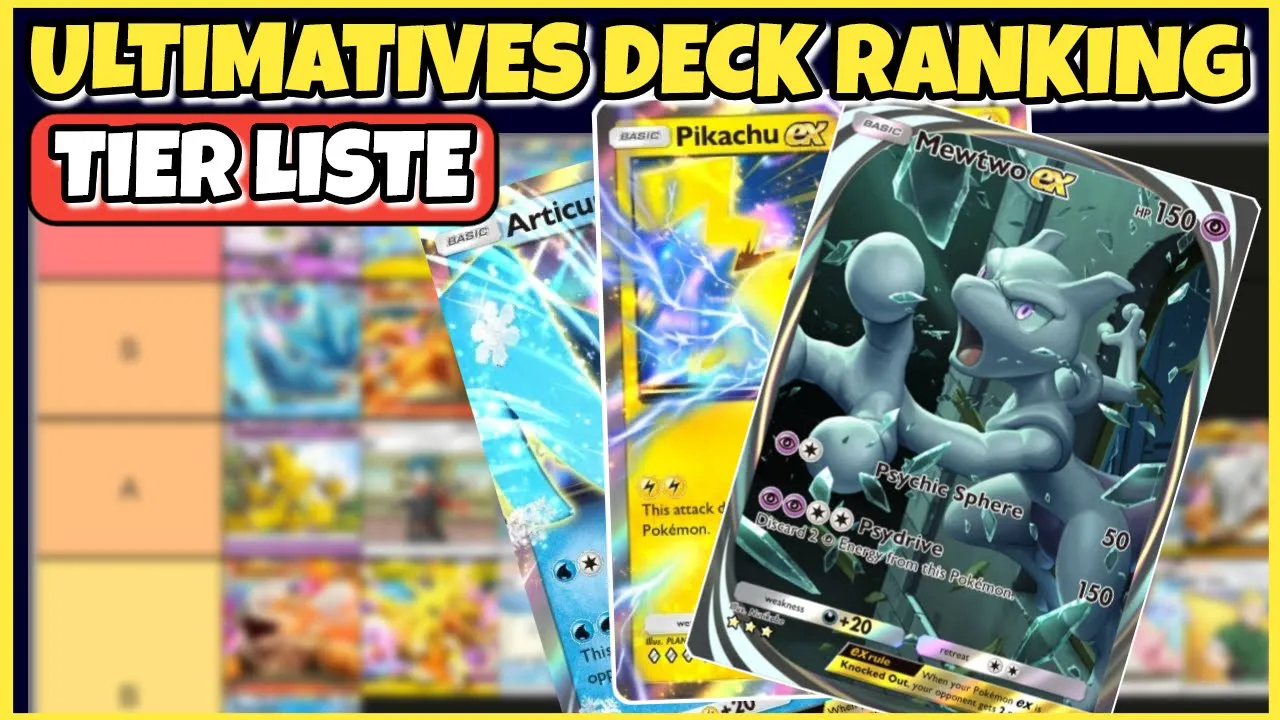
A tier list is a tool, not a command
Players often read a tier list like a final verdict: S-tier means perfect, B-tier means unplayable. That is not how strong competitive players use one. A tier list is a snapshot of relative power, matchup spread, popularity, and reliability at a specific moment. It helps explain the environment, but it does not play the games for you.
A deck can be S-tier overall and still be wrong for your account if you do not own the pieces or hate its sequencing patterns. Likewise, an A-tier deck can be the best choice for your ladder session if it lines up well into what people are actually queuing. Understanding that context is the difference between using a tier list intelligently and following it blindly.
Think of the tier list as a starting point for decision-making, not the end of the conversation.
What S, A, and B tiers really mean
S-tier decks are usually the most reliable all-around choices. They have a strong average matchup spread, punish weak hands, and maintain performance across a broad field. They are not unbeatable, but they give fewer free losses to randomness or niche pairings. That makes them especially attractive for laddering, where you need a deck that can queue into many different opponents.
A-tier decks are still very strong. They may have one rough matchup, demand more technical play, or rely on a slightly less forgiving setup pattern. In the right hands or into the right field, they can absolutely feel like S-tier. B-tier decks are generally more conditional. They can still win and may even prey on specific popular lists, but they ask for either more matchup luck, more precise piloting, or a meta pocket that favors them.
Anything below that is usually too narrow, too inconsistent, or too underpowered to recommend broadly for serious climbing.
How tier lists are built in practice
Good tier lists do not come from a single highlight run. They are built from repeated observations: ladder results, matchup performance, tournament trends when available, and how often a deck's 'bad draws' are still playable. Reliability matters a lot. A deck with explosive ceiling but frequent dead openings may look amazing in clips while underperforming over a long sample.
Tier lists also weigh accessibility differently depending on audience. A list aimed at competitive grinders may rate a hard deck highly if its ceiling is excellent. A list aimed at general ladder players may value ease of piloting more because practical ladder performance depends on what most players can execute consistently.
That is why update date matters. A tier list can be accurate when posted and less useful two weeks later if the field shifts.
How to use a tier list for your own goals
If your main goal is fast ranked progression, tier lists help you choose decks with safer matchup spreads. If your goal is account efficiency, they help you decide which strong decks are actually worth building. If your goal is skill growth, they help you identify archetypes that teach transferable fundamentals. Those are three different uses, and they do not always point to the same deck.
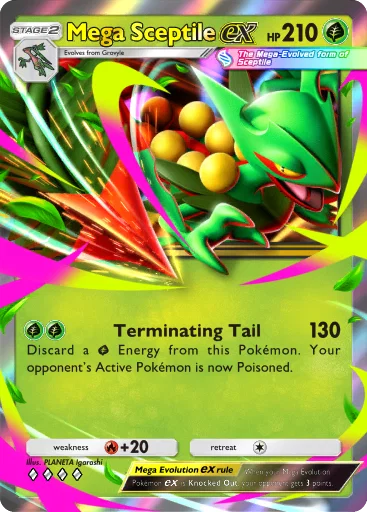
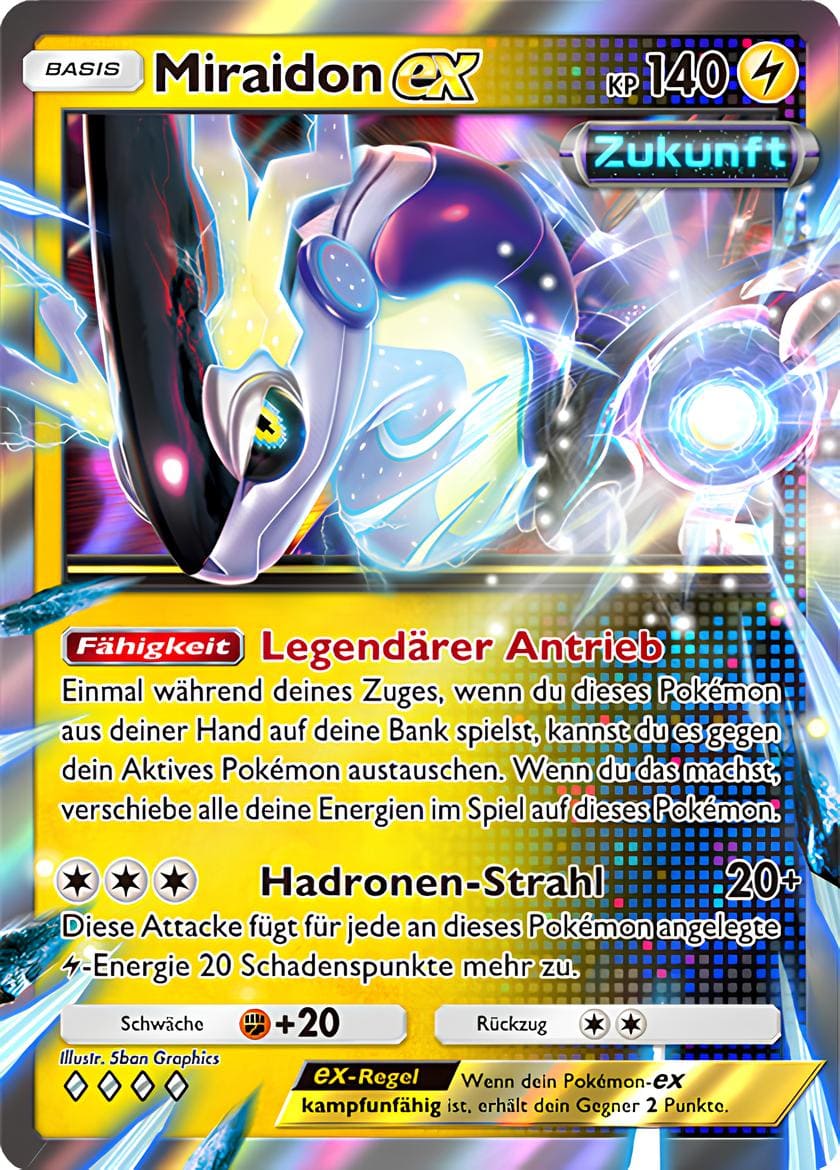
For example, a player with an almost-complete [Mega Lucario EX](/decks/mega-lucario-ex) list may be better served finishing that deck than abandoning it because another archetype rose one spot on a fresh tier list. Meanwhile, a player with broader resources and a deeper pool might switch to [Mega Sceptile EX](/decks/mega-sceptile-ex) or [Miraidon EX Magnezone](/decks/miraidon-ex-magnezone) if the meta clearly favors them.
The question is not 'what is highest tier?' The question is 'what is highest tier for my resources, skill, and current field?'
Common mistakes when reading tier lists
The biggest mistake is assuming the letter grade alone tells you how easy the deck is to play. Some top-tier decks demand excellent sequencing and punish sloppy hands hard. Another mistake is copying the exact list without understanding which cards are meta choices versus structural necessities. A third is ignoring sample size and overreacting to one event result or one creator's opinion.
Players also tend to misuse tier lists emotionally. After a losing streak, it is tempting to assume your deck is simply outdated because another one sits above it. In many cases, the better answer is to improve matchup knowledge or deck quality rather than restart your climb with an unfamiliar list.
Use the tier list to inform decisions, not to justify panic.
Beginner and advanced recommendations
Beginners should generally favor strong, clean, forgiving decks that appear high on the list and have clear build paths. [Best Free-To-Play Decks](/guides/best-free-to-play-decks) is useful here because the best theoretical deck is irrelevant if you cannot finish it. Advanced players can go one step further by looking for counter-meta opportunities, matchup specialists, and decks that gain value when the field becomes too concentrated.
If you want to get more from tier lists, pair them with [Competitive Terminology Guide](/guides/competitive-terminology-guide) and [How To Build Better Decks](/guides/how-to-build-better-decks). Once you understand concepts like tempo, matchup spread, and tech slots, the logic behind tier placements becomes much clearer.
Frequently Asked Questions
Does S-tier mean a deck is always the best choice?
No. It means the deck is among the strongest broad recommendations, but your collection, skill, and local ladder field still matter.
Can an A-tier deck be better than an S-tier deck for me?
Absolutely. If the A-tier deck matches your collection better or lines up well into the current field, it may be the smarter practical choice.
How often should I re-check a tier list?
Any time a new update, card release, or meaningful meta shift happens. Tier lists are snapshots, not permanent truth.
Should beginners always copy the highest-tier deck?
Not always. Beginners should prioritize decks that are both strong and realistic to build and pilot consistently.
Decks mentioned in this guide
Related guides
Got questions?
Drop into the Discord — most beginners get a deck-list reply within an hour.
Join the Discord