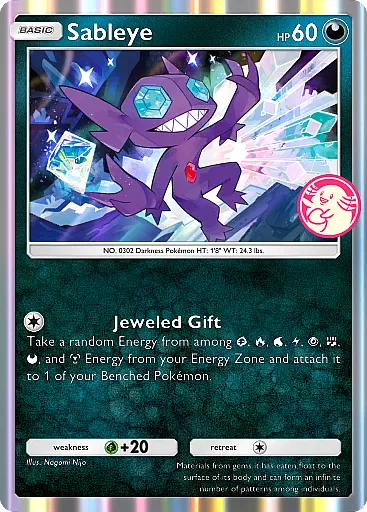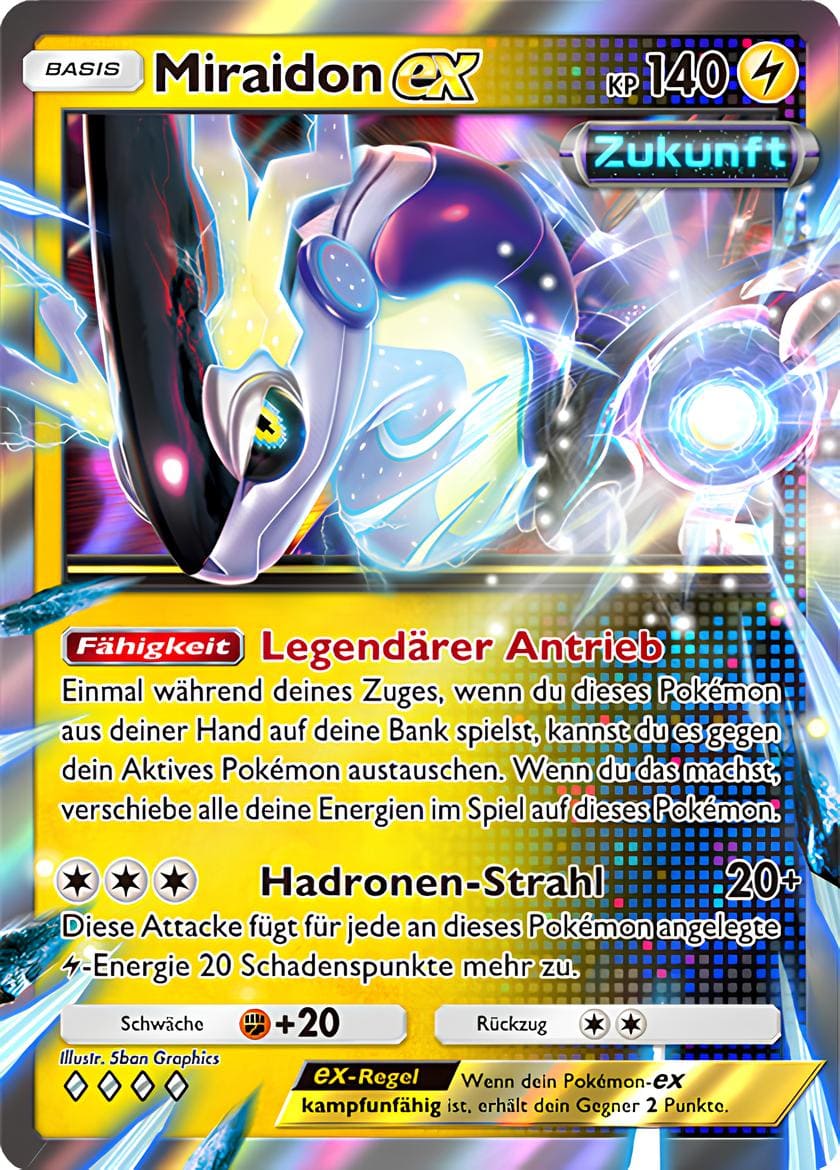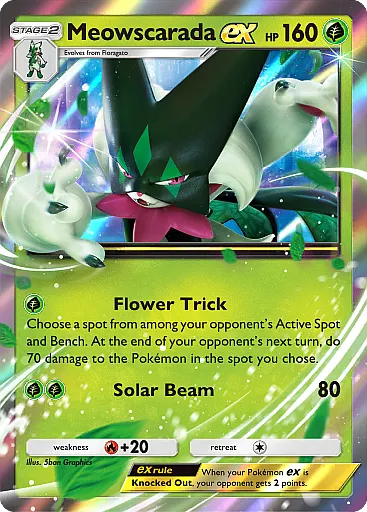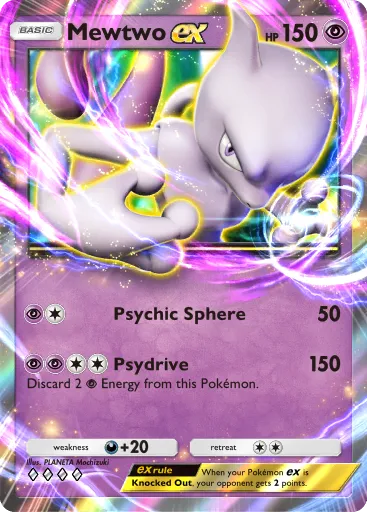
Best Cards to Craft in Pokémon TCG Pocket: Pack Points Guide
Pack Points are one of the most valuable resources in Pokémon TCG Pocket. They let you exchange points from opened packs for specific cards, which means they can fix bad luck, finish competitive decks, and help collectors chase high-rarity cards. But they are also very easy to waste. A single bad craft can cost days or even weeks of pack openings, especially if you spend points on a card you could have obtained through trading, Wonder Pick, or future pack openings. The most important rule is simple: craft with a purpose. Do not craft a card just because it looks cool, is currently hyped, or appears in one decklist you saw online. Craft cards that complete a deck, unlock a strategy you are actually going to play, or finish a collection goal you consciously care about. For free-to-play players, Pack Points should be treated as a last-resort resource, not as a normal shopping currency. This guide explains how Pack Points work, which cards are usually worth crafting, when full-art Trainers and Gold cards make sense, and how trading changes your crafting priorities.
How Pack Points Work
Every normal booster pack you open from the pack screen gives Pack Points. These points are tied to the set or pack group they came from. That means points earned from one set cannot simply be spent on cards from another set. If you open a Paradox Drive pack, those points are meant for cards from that pack’s card pool, not a completely different expansion. Because of this, Pack Points and pack-opening strategy are connected. If you split your openings across too many packs, you also split your Pack Point progress. That makes it harder to craft the card you actually need. Players who want to build efficiently should focus on packs that contain multiple useful cards for their current deck or collection goal. Pack Point costs scale by rarity. Lower-rarity cards are cheap, ex cards cost much more, full-art or special cards are expensive, and Crown/Gold cards are extremely expensive. This is why crafting should never be automatic. A 35-point or 70-point craft may look cheap, but even those points are part of a limited pool. A 1250-point full-art Trainer or 2500-point Gold card is a major long-term decision.
Pack Point Costs by Rarity
- 1-Diamond cards: 35 Pack Points
- 2-Diamond cards: 70 Pack Points
- 3-Diamond cards: 150 Pack Points
- 4-Diamond / standard ex cards: 500 Pack Points
- 1-Star illustration cards: 400 Pack Points
- Shiny 1-Star cards: 1000 Pack Points
- 2-Star full-art Pokémon ex and Supporters: 1250 Pack Points
- Shiny 2-Star cards: 1350 Pack Points
- 3-Star immersive cards: 1500 Pack Points
- Crown / Gold cards: 2500 Pack Points
These numbers explain why crafting discipline matters. A standard ex craft costs the equivalent of many pack openings, while a 2-Star full-art Trainer costs far more. Gold cards are the most extreme case. Crafting one for 2500 Pack Points is a collector decision, not a gameplay decision. A Gold card does not make a deck stronger than the normal playable version of the same card.
What Should You Craft First?
Your first crafting priority should always be the card that lets you actually play a complete deck. A deck that is missing one important ex attacker, one key evolution piece, or one essential Trainer may feel unfinished until that card is added. In that situation, crafting can be correct because the card immediately changes what your account can do. For example, if you are one card away from a strong meta deck and you already own most of the list, crafting the missing piece is usually better than opening random packs and hoping to hit it. The value is not just the card itself. The value is that you can now use the full deck in Ranked, Emblem Events, missions, and testing. However, do not craft toward five different decks at once. Pick one main deck, finish it, then move to a second deck that shares cards with the first. This is especially important for F2P players. Shared staples and flexible attackers give you more value than narrow cards that only work in one list.
Best Competitive Cards to Craft
The safest competitive crafts are cards that appear in multiple strong decks or unlock a deck you already almost own. In Pokémon TCG Pocket, these usually fall into three groups: core ex attackers, flexible Trainer cards, and important evolution pieces. Core ex attackers are worth crafting when they are the centerpiece of a deck you plan to play. If a deck cannot function without two copies of its main ex card and you are missing one, that can be a good craft. Flexible Trainer cards are also strong because they often move between decks and stay useful longer than narrow Pokémon. Evolution pieces are worth crafting when missing one copy prevents the entire deck from working. The worst competitive crafts are panic crafts. Do not craft a card just because it beats you once on ladder. Do not craft a new card on release day before the meta has settled. And do not craft a card only because a creator calls it broken in the first 24 hours of a set. Early hype is often wrong.
Should You Craft Full-Art Trainer Cards?
Two-Star full-art Trainer cards are some of the most popular crafts in the community. They look great, they are highly desirable, and many players like having premium versions of important Supporters. But from a progression standpoint, they are expensive luxury crafts. At 1250 Pack Points, a full-art Trainer costs much more than a standard ex card. That does not mean you should never craft them. Full-art Trainer crafts can make sense if you are a collector, if the Trainer is one of your favorite cards, or if you already have all the gameplay cards you need from that set. They can also be emotionally satisfying crafts, which matters if collection is your main goal. But if your decks are incomplete, craft the playable version or missing deck piece first. A full-art Trainer does not improve your win rate more than the normal version. For F2P players, full-art Trainers should usually come after competitive deck completion.
Should You Craft Gold Cards?
Gold cards are the clearest example of collector crafting. They usually cost 2500 Pack Points, which is an enormous investment. For most players, especially F2P players, crafting a Gold card should only happen when you are completely sure that collection value matters more to you than gameplay progression. Gold cards are beautiful chase cards, but they are not efficient crafts if your goal is building decks. The normal version of a playable card does the same thing in battle. Spending 2500 points on a Gold card while missing important deck cards can slow your progression heavily. A good rule is this: craft Gold cards only after you have finished the decks you care about, or if the Gold card completes a major personal collection goal. Otherwise, save the points.
Trading Changes Crafting Priorities
Trading is one of the biggest reasons not to rush low-rarity crafts. If you are active in a community, especially a large Discord server, many common, uncommon, rare, and even some higher-rarity needs can often be solved through trades. The official trade system has restrictions, including same-rarity requirements, but it still gives players another way to fill collection gaps. This is why crafting low-rarity cards should be done with care. If a card is easy to trade for, do not spend Pack Points unless you need it immediately and cannot get it any other way. In an active community with thousands of players, many missing cards can be found quickly through wishlists and trade requests. Before crafting, ask yourself three questions: Can I trade for this? Can I Wonder Pick it? Am I still opening this pack anyway? If the answer to any of those is yes, waiting may be better.
When to Wait Before Crafting
When a new set lands, hold Pack Points for 1-2 weeks. Wait for the meta to settle before committing to expensive crafts.
Waiting is often the correct play. You should usually wait before crafting during the first week of a new set. Early decklists are experimental, and many cards look stronger than they really are. After a week or two, the meta becomes clearer, tournament results and community testing improve, and you can make better decisions. You should also wait if the card is available through Wonder Pick or if you are still opening the same pack. Crafting a card and then pulling it the next day feels terrible, especially when those points could have been saved for a rarer target. The only time you should craft quickly is when the card immediately completes a deck you are ready to play. If the craft turns an incomplete list into a functional deck, it has real value.
Cards You Should Avoid Crafting Too Early
- Low-rarity cards that are easy to trade for.
- Cards from decks you have not tested yet.
- One-of tech cards for a single matchup.
- Full-art Trainers before your playable decks are complete.
- Gold cards before your core collection goals are handled.
- New set cards during the first few days of hype.
- Stage 2 evolution pieces before you own the rest of the line.
- Cards from packs you are still actively opening.
- Cards that only work in one fragile or unproven archetype.
F2P Crafting Priority List
- Finish one strong deck first.
- Craft the missing card that blocks the deck from functioning.
- Prioritize flexible staples over narrow tech cards.
- Use Wonder Pick before spending Pack Points.
- Try trading before crafting low-rarity cards.
- Wait one to two weeks after a new set release.
- Avoid full-art and Gold crafts until your decks are complete.
- Focus on packs where multiple cards still help your account.
- Craft collector cards only when you knowingly choose collection over progression.
Final Thoughts
The best cards to craft in Pokémon TCG Pocket are not always the rarest cards. They are the cards that create the most value for your account. Sometimes that means a standard ex attacker that completes a deck. Sometimes it means a Trainer card used across multiple builds. Sometimes it means waiting because the card is easy to trade for or still available through Wonder Pick. For competitive players, crafting should be deck-first. For F2P players, crafting should be careful and delayed whenever possible. For collectors, full-art Trainers and Gold cards can be valid goals, but they should be treated as luxury crafts rather than efficient progression. Pack Points are powerful because they remove randomness. Use them when randomness has already failed you, not before you have tried packs, Wonder Pick, and trading. That mindset will save you from most bad crafts.
Frequently Asked Questions
Can I refund a crafted card?
No. Crafting is permanent, which is why deliberate spending matters so much.
How do I farm Pack Points fastest?
Open the same target pack repeatedly. Splitting opens across multiple packs splits your Pack Point pools.
Should I craft alt-art versions?
Only after your decks are complete. Alt arts are cosmetic and don't change card effectiveness.
Related guides
Got questions?
Drop into the Discord — most beginners get a deck-list reply within an hour.
Join the Discord