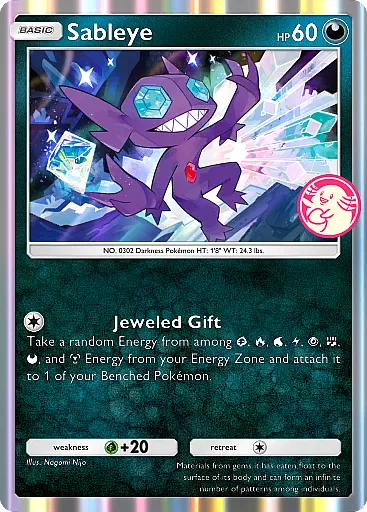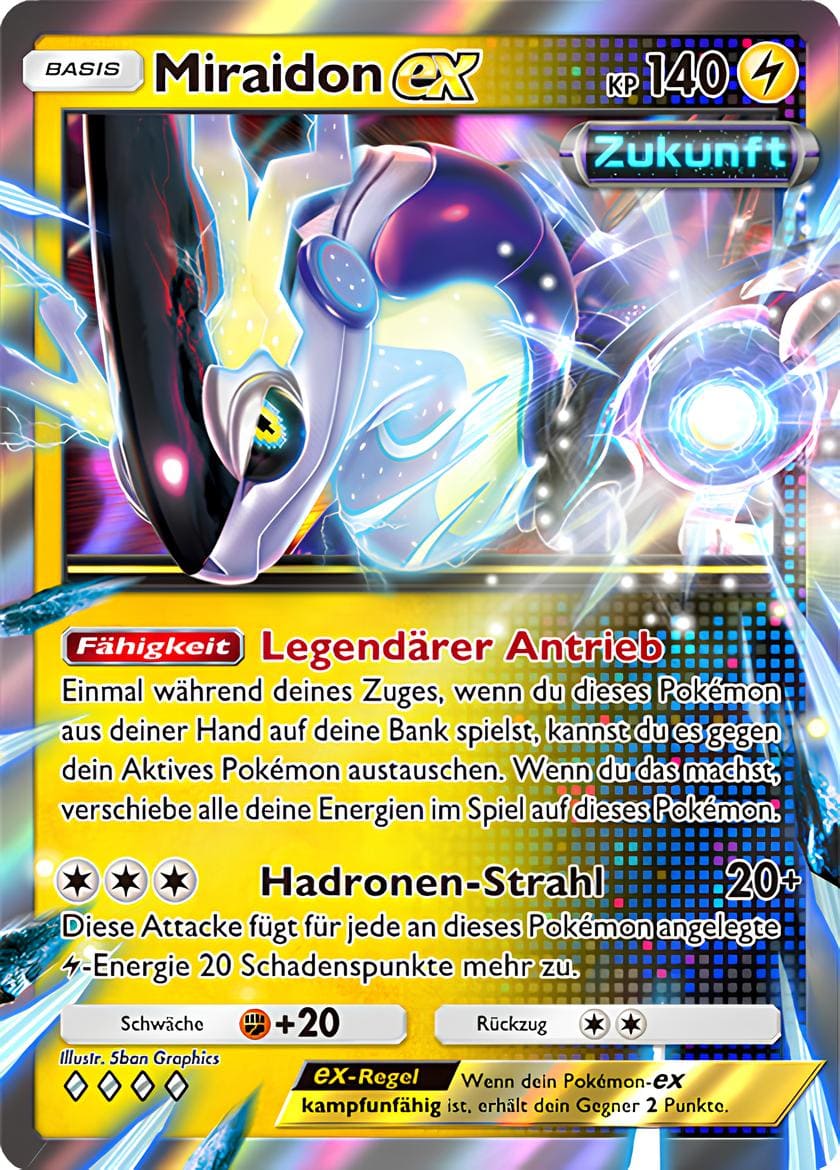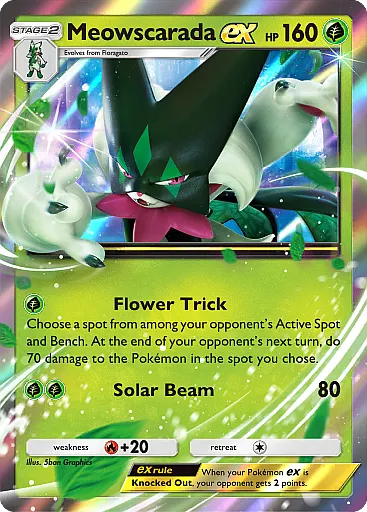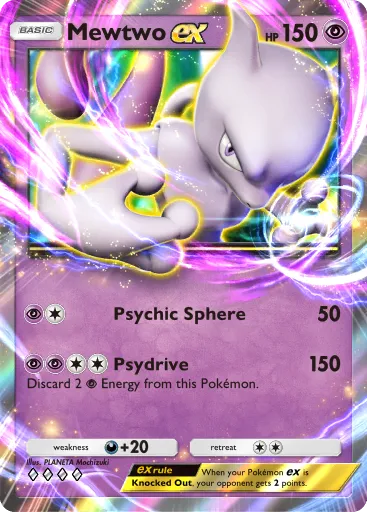
Drop Event Farming Guide: How to Farm Promo Packs in Pokémon TCG Pocket
Drop Events are one of the best recurring reward systems in Pokémon TCG Pocket. They give players a chance to earn limited-time promo cards, Promo Packs, Pack Hourglasses, Shop Tickets, Shinedust, Event Hourglasses, and other useful rewards through Solo Battles. For free-to-play players, Drop Events are especially important because they provide valuable cards without requiring Pack Hourglasses, Pack Points, or paid packs. Most Drop Events follow a simple structure: a limited-time event appears, players battle CPU decks across several difficulty levels, and wins can reward Promo Packs from that event’s promo pool. These Promo Packs usually contain one card from a small event-specific set. Some cards are alternate-art versions of existing cards, while others can be event-exclusive cards that may matter for collection or even competitive play. The key to farming Drop Events efficiently is not just playing as many battles as possible. You need to understand Event Stamina, difficulty scaling, Battle Tasks, deck consistency, and when to spend Event Hourglasses. A player who farms the right difficulty with a fast, reliable deck will usually get more value than someone who blindly queues the hardest battle and loses too often.
What Are Drop Events?
Drop Events are limited-time Pokémon TCG Pocket events based around Solo Battles. Instead of battling other players, you fight CPU-controlled decks built around the event theme. These decks usually become stronger as the difficulty increases. Most Drop Events include Beginner, Intermediate, Advanced, and Expert battles, with better rewards or higher Promo Pack drop rates at higher levels. Each Drop Event usually has a featured Promo Pack volume. For example, a Drop Event may reward a specific Promo Pack B Series volume containing five possible promo cards. Winning event battles gives you a chance to receive that Promo Pack, along with other rewards such as Shinedust or Shop Tickets. Some events also include first-time clear rewards and Battle Tasks that give additional one-time rewards. Drop Events are time-limited, so missing them can mean missing promo cards for a long time. Some promos may return later through reissue events, but players should not rely on that. If a promo card looks useful, collectible, or potentially competitive, it is safer to farm during the original event window.
How Event Stamina Works
Drop Events use Event Stamina. In most events, each event battle requires one Event Stamina, but the stamina is only consumed when you win. This is very important. If you lose or concede, you can usually try again without spending Event Stamina. That means you should not be afraid to test a higher difficulty or concede if your opening hand is clearly unplayable. Event Stamina regenerates over time. One stamina usually recovers every 12 hours, and the normal cap is 5 Event Stamina. If your stamina is full, you stop regenerating more, which means capped stamina is wasted progress. For F2P players, checking the event twice per day is one of the easiest ways to avoid losing free attempts. Event Hourglasses can restore Event Stamina faster. These are valuable because they can often carry over between Drop Events, so you do not need to spend them immediately. If you already have all the promo cards you need, saving Event Hourglasses for a future event can be the better long-term play.
Which Difficulty Should You Farm?
The best difficulty to farm is usually the highest difficulty you can beat consistently. Expert is often the best target because many Drop Events give the highest Promo Pack chance there, and some Expert battles have guaranteed Promo Pack drops. However, Expert is only worth farming if your win rate is high enough. If you can clear Expert reliably, farm Expert. If Expert is too inconsistent, Advanced can be better until your deck improves. A 95% win rate on Advanced may be more efficient than a 60% win rate on Expert, especially if Expert games take longer and require more attention. Farming is about total rewards over the full event window, not just theoretical drop rate. Speed also matters. Some decks technically win the Expert battle but take too long to do it. If every match takes several minutes, farming can become frustrating and inefficient. The ideal farming deck is fast, consistent, and built specifically to beat the event boss. You do not always need your strongest ranked deck. You need the deck that beats the CPU event deck safely and quickly.
How Promo Pack Drops Work
Promo Packs are chance rewards from event battles. Higher difficulty usually means better Promo Pack odds, with Expert commonly offering the best chance. When you receive a Promo Pack, it normally contains one card from the event’s promo pool. The exact card is random, so you may need multiple packs to complete the full set. This is why Drop Event farming can feel streaky. You might get the featured promo quickly, or you might open many packs before seeing the card you want. The best approach is to farm consistently across the full event instead of spending all resources on day one. Duplicate promo cards are not necessarily useless. Extra copies can help with collection goals, flair, Shinedust, or future completion value depending on the event and card type. Competitive players should usually aim for at least the number of copies needed for decks, while collectors may want every card in the promo pool.
Battle Tasks and First-Time Rewards
Drop Events are not only about repeat farming. Each difficulty usually has first-time rewards and Battle Tasks. First-time rewards are earned the first time you clear a battle. Battle Tasks are optional missions tied to that difficulty, such as winning with a certain type, using specific cards, playing a certain number of Pokémon, or winning without giving up points. Battle Tasks are important because they often reward Event Hourglasses, Pack Hourglasses, Wonder Hourglasses, Shop Tickets, or other useful items. Even if you plan to farm Expert later, you should usually complete the easier tasks first. These rewards help your account and can give you more stamina for current or future events. Do not confuse task completion with farming efficiency. Sometimes a Battle Task requires a weaker or slower deck. In that case, complete the task once, collect the reward, then switch back to your fastest farming deck.
How to Build a Consistent Farming Deck
A good Drop Event farming deck is different from a normal ladder deck. In ranked play, you need to cover many matchups. In a Drop Event, you only need to beat one CPU deck or one small group of CPU decks. That means you can build more directly against the event’s weaknesses. Start by identifying the event boss’s main type, weakness, speed, and damage pattern. If the CPU deck is built around Water Pokémon, look for strong Lightning options. If it relies on a big Basic ex, use a deck that can pressure it quickly or survive its main attack. If it takes time to set up, use fast attackers that punish slow openings. Consistency matters more than flashy combos. Run enough Basics, draw Supporters, search cards, and simple attackers. Avoid decks that need too many perfect pieces before they work. A farming deck should win even with average hands. If your deck bricks often, it will waste your time even if it has a high ceiling.
F2P Drop Event Strategy
For F2P players, Drop Events should be treated as mandatory account value. You do not need to spend money to farm them well. The most important things are logging in regularly, avoiding capped Event Stamina, completing Battle Tasks, and saving Event Hourglasses when the event no longer gives meaningful value. Your first goal should be to clear every difficulty once. Then complete the Battle Tasks you can realistically finish. After that, farm the highest consistent difficulty until you have the promo cards you want. If you get the full promo set early, decide whether extra copies are worth more than saving Event Hourglasses. Do not waste Poké Gold on Event Stamina unless you really care about the promo card and the event is almost over. For most F2P players, Poké Gold is too valuable to spend casually on extra event attempts.
Common Drop Event Mistakes
- Letting Event Stamina sit at the cap for long periods.
- Farming Expert with a low win rate instead of farming Advanced consistently.
- Ignoring Battle Tasks and missing one-time rewards.
- Using a slow ranked deck instead of a fast event-specific farming deck.
- Spending Event Hourglasses after already getting all useful promo cards.
- Forgetting that losses and concessions usually do not consume Event Stamina.
- Chasing duplicate promos without a clear collection or deck reason.
- Waiting until the final day to start farming.
Final Thoughts
Drop Events are one of the most important systems in Pokémon TCG Pocket because they reward regular play with limited-time promo cards and useful account resources. They are simple on the surface, but efficient farming requires planning. You need to manage Event Stamina, choose the right difficulty, build a consistent deck, complete Battle Tasks, and decide when Event Hourglasses are worth spending. For beginners, the best plan is to clear each difficulty, complete as many tasks as possible, then farm the highest difficulty you can beat reliably. For F2P players, Drop Events are one of the easiest ways to grow your collection without spending Pack Hourglasses or money. For competitive players, promo cards should never be ignored, because even a single event card can become relevant if the meta shifts. Play early, farm consistently, and do not let stamina cap. Over a full event window, those habits make a huge difference.
Frequently Asked Questions
Do I need a meta deck to farm Drop Events?
No. A consistent, fast deck beats a slow meta deck because farming is about win rate and speed per attempt, not raw power.
Can I farm Drop Events without spending money?
Yes. The drop pool is fully accessible with free event stamina if you log in regularly across the event window.
Are promo cards from Drop Events tournament-legal?
Yes, promo cards earned from events are usually legal in standard play and often appear in competitive decklists.
Related guides
Got questions?
Drop into the Discord — most beginners get a deck-list reply within an hour.
Join the Discord