Mewtwo ex Gardevoir Deck Guide
 Psychic
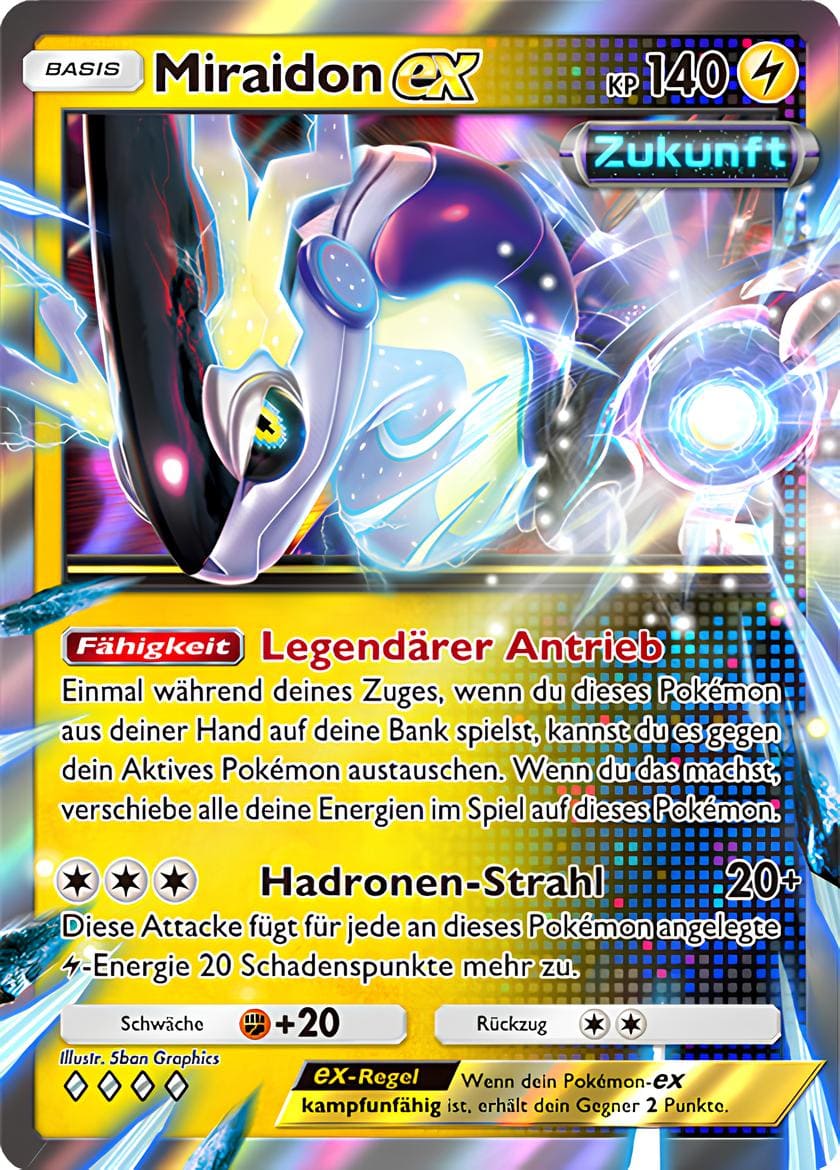
Mewtwo ex Gardevoir is a classic Pokémon TCG Pocket Psychic ramp deck built around Gardevoir’s Psy Shadow Ability and Mewtwo ex’s 150-damage Psydrive attack. Rare Candy improves the Stage 2 setup, Peculiar Plaza fixes awkward retreats, and Giant Cape helps Mewtwo ex survive critical damage thresholds.

Deck List
Pokémon (6)
Gardevoir
Mewtwo ex
Ralts
Trainers (12)
Professor's Research
Poké Ball
Rare Candy
Copycat
Cyrus
Sabrina
Peculiar Plaza
Giant Cape
Energy
Source decklists
Source decklists referenced for this guide:
Strengths
- Gardevoir provides repeatable Psychic Energy acceleration.
- Mewtwo ex can deal 150 damage with Psydrive.
- Psydrive threatens many ex Pokémon and large attackers.
- Rare Candy can create fast Gardevoir setup turns.
- Copycat improves draw against opponents with large hands.
- Peculiar Plaza reduces Retreat Costs and improves pivoting.
- Giant Cape can create important survival thresholds for Mewtwo ex.
- Cyrus can bring damaged Bench Pokémon Active.
- Sabrina can disrupt the opponent’s positioning.
- The deck can rebuild after Energy is discarded through Psydrive.
Weaknesses
- Gardevoir is a Stage 2 Pokémon and requires setup.
- Mewtwo ex needs four Energy for Psydrive
- Psydrive discards two Psychic Energy after attacking.
- The deck can struggle if Ralts is removed early.
- Mewtwo ex gives up two points when Knocked Out.
- Peculiar Plaza also reduces the opponent’s Retreat Costs.
- The deck can be slow against aggressive early-game decks.
- Rare Candy can be awkward if Mewtwo ex is not ready to benefit.
- Giant Cape does not protect Mewtwo ex from all knockout combinations.
Key Matchups
- Aggressive Basic-only decks Even
- Mirror or other Gardevoir lists Even
- Disruption / Cyrus + Sabrina decks Unfavored
Strategy Overview
Mewtwo ex Gardevoir is one of the most iconic Pokémon TCG Pocket decks of all time. In the game’s earliest formats, this Psychic combination defined what a high-ceiling Energy engine could look like: a powerful Basic ex attacker in Mewtwo ex, supported by a Stage 2 Pokémon that could repeatedly accelerate Psychic Energy from the Energy Zone. The deck is no longer the automatic default choice it once was. Modern formats contain faster pressure decks, stronger disruption options, more aggressive Energy engines, and several strategies that can punish a slow Stage 2 setup. However, Mewtwo ex Gardevoir remains a dangerous deck whenever it gets the time to establish its board. The game plan is built around two cards. Mewtwo ex is the main attacker. It can use Psychic Sphere for 50 damage, but the real reason to play it is Psydrive. Psydrive deals 150 damage, one of the biggest direct damage numbers available to a non-Mega attacker. The drawback is that Mewtwo ex must discard two Psychic Energy after using Psydrive. That Energy discard is the deck’s central challenge. If you only attach one Energy per turn, Mewtwo ex can take a huge knockout once but may struggle to attack again immediately. Gardevoir solves that issue. Gardevoir is a Stage 2 Psychic Pokémon that evolves from Ralts. Its Psy Shadow Ability lets you take a Psychic Energy from the Energy Zone and attach it to your Active Psychic Pokémon once during your turn. This is the engine that makes Mewtwo ex work. With Gardevoir on the Bench, your normal Energy attachment and Psy Shadow can both help power Mewtwo ex. Once Mewtwo ex has used Psydrive and discarded two Psychic Energy, Gardevoir can begin rebuilding the attacker without forcing you to spend several turns doing nothing. The strongest versions of the deck do not only focus on one Mewtwo ex. They aim to build a board where one Mewtwo ex is attacking while another potential attacker, backup Gardevoir, or future Mewtwo ex is being prepared on the Bench. This matters because Mewtwo ex gives up two points when it is Knocked Out. You do not want the opponent to remove your only attacker and leave you with no follow-up. A second Ralts line, another Mewtwo ex, or a fully prepared Gardevoir can stop the opponent from ending your momentum with one knockout. The key lesson with this deck is that it is not just a “get four Energy on Mewtwo ex” deck. It is an Energy sequencing deck. You need to decide: When should you attach Energy to Mewtwo ex manually? When should Gardevoir use Psy Shadow on the Active attacker? Is it worth using Psydrive now if the opponent can knock out Mewtwo ex immediately afterward? Should you prepare a second Mewtwo ex first? Do you have enough recovery and mobility to survive a bad opening? These decisions separate a strong Mewtwo ex Gardevoir player from someone who simply rushes toward Psydrive every game. Ralts is the most important setup card in the deck. Since Gardevoir is Stage 2, you need Ralts in play early. The deck plays multiple copies because losing your only Ralts before evolving can remove the entire Energy engine. In many games, your first priority is not attacking with Mewtwo ex. Your first priority is benching Ralts safely. Once Ralts is on the Bench, you can either evolve naturally or use Rare Candy. Rare Candy is one of the most important cards in the deck because it allows Ralts to evolve directly into Gardevoir. That creates a massive tempo swing. A Ralts that looked harmless one turn earlier can suddenly become Gardevoir. The moment Gardevoir enters play, Psy Shadow becomes available and Mewtwo ex can begin receiving extra Psychic Energy immediately. Rare Candy is especially strong when Mewtwo ex is already active with one or two Energy attached. In that situation, evolving Ralts into Gardevoir can be the final piece that turns a slow setup into a threatening Psydrive turn. However, Rare Candy should not always be played as soon as you draw it. If your Mewtwo ex is not close to attacking, your Bench is exposed, or the opponent can immediately remove Gardevoir, it may be smarter to wait. Gardevoir is your most important support Pokémon, and protecting it is often more valuable than rushing one attack. Mewtwo ex is strongest when it can use Psydrive repeatedly or at least force a major prize swing with one attack. Psydrive’s 150 damage is enough to Knock Out many ex Pokémon, damaged Mega Pokémon, and nearly every small setup attacker. This makes Mewtwo ex a strong answer to decks that rely on one large active threat. But Psydrive does not need to be used every turn. Sometimes Psychic Sphere for 50 damage is correct. It can finish a damaged target, avoid discarding Energy, or give you one extra turn to prepare a better Psydrive sequence. Do not assume that every Mewtwo ex turn must use the highest-damage attack available. The deck’s newer support cards improve several weaknesses that older Mewtwo ex Gardevoir versions had. Copycat is a valuable draw Supporter. It lets you shuffle your hand into your deck and draw cards equal to the number of cards in your opponent’s hand. This can be extremely powerful against decks that naturally build large hands through draw engines, setup Pokémon, or delayed combo turns. Professor’s Research remains the straightforward draw option. It is best when you need several cards at once, such as Ralts, Rare Candy, Gardevoir, Mewtwo ex, Energy, or a positional Supporter. Poké Ball helps find your Basic Pokémon early. In most opening hands, the priority is Ralts or Mewtwo ex. If you already have both, Poké Ball can find a backup Basic Pokémon and protect you against a bad prize trade later. Peculiar Plaza is one of the most useful additions to this version. The Stadium reduces the Retreat Cost of every Pokémon in play by two. This gives the deck significantly more flexibility than older Mewtwo ex Gardevoir builds had. Mewtwo ex can be awkward when it begins Active before you are ready to use it. It may have Energy attached but lack the full setup for Psydrive. Without a retreat option, you can be forced to leave it Active and let the opponent attack it before Gardevoir is online. Peculiar Plaza makes that problem easier to manage. You can retreat a slow Mewtwo ex more cheaply, move a damaged attacker to the Bench, promote another Pokémon, or pivot back into Mewtwo ex once Gardevoir has enough Energy acceleration available. However, Peculiar Plaza affects both players. The opponent also receives the Retreat Cost reduction. This means you should not always play it immediately. It is strongest when you need the mobility right away or when the opponent does not benefit as much from easier retreats. Giant Cape is another important defensive tool. It gives the attached Pokémon additional HP, which is especially useful on Mewtwo ex. Since Mewtwo ex is your primary attacker and gives up two points when Knocked Out, making it survive one extra attack can completely change the game. Giant Cape is most valuable when it changes the opponent’s knockout threshold. Do not attach it only because you have it. Ask whether the extra HP forces the opponent to use another attack, another Supporter, or another damage modifier. If the answer is yes, Giant Cape can buy the exact extra turn you need for Gardevoir to use Psy Shadow, for Mewtwo ex to use Psydrive, or for Cyrus to finish a damaged target. Cyrus and Sabrina give the deck positional control. Cyrus is especially strong after Mewtwo ex has damaged a target. Many opponents will retreat a damaged Pokémon to the Bench and try to protect it. Cyrus can pull that Pokémon back Active and let Mewtwo ex finish it. Sabrina has a different role. It can force an awkward Pokémon Active, disrupt the opponent’s board, expose a low-HP support Pokémon, or force a high-Retreat Pokémon to the front. This is particularly effective when Peculiar Plaza is not in play. If the opponent is relying on a bulky attacker with a hig
Gameplay Video
Key Cards
Gardevoir
appears in nearly every tournament list (average 1.95 copies). Core part of the archetype's engine.
Mewtwo ex
appears in nearly every tournament list (average 2.00 copies). Core part of the archetype's engine.
Ralts
appears in roughly 93% of tournament lists (average 2.00 copies). Core part of the archetype's engine.
Early Game
The early game is about establishing Ralts and deciding whether Mewtwo ex should begin Active or remain on the Bench. Your highest priority is usually getting Ralts into play. Without Ralts, the deck cannot access Gardevoir, and without Gardevoir, Mewtwo ex becomes much slower and less reliable. Use Poké Ball early if you do not have Ralts. If you already have Ralts, look for Mewtwo ex or a second Ralts line. Mewtwo ex can start Active, but this is not always ideal. If it begins Active without enough Energy or without a path to Gardevoir, consider using Peculiar Plaza later to retreat it more efficiently. Avoid exposing your only Ralts to easy damage. If possible, establish two Ralts lines in slower matchups. This protects your Energy engine if the opponent removes one before it evolves. Rare Candy should be kept for a meaningful Gardevoir turn. The best early Rare Candy sequence is one where Gardevoir immediately uses Psy Shadow to make Mewtwo ex threatening.
Mid Game
The mid game begins once Gardevoir is online. Use Psy Shadow every turn that it creates real value. In most games, that means attaching Psychic Energy to the Active Mewtwo ex. But in some situations, it may be correct to prepare a backup Psychic attacker for the following turn. Once Mewtwo ex reaches the Energy requirement for Psydrive, calculate the prize trade before attacking. Ask whether 150 damage Knocks Out the opponent’s key attacker, whether the opponent can return-Knock Out Mewtwo ex, and whether you can rebuild afterward. If Psydrive gives up too much tempo, Psychic Sphere may be the better attack. Fifty damage can be enough to finish a damaged target while preserving Energy for later. Use Giant Cape before the opponent reaches an important damage threshold. Use Peculiar Plaza when you need to pivot Mewtwo ex, remove a damaged attacker from the Active Spot, or set up a more efficient board position.
Late Game
The late game is where Gardevoir’s repeatable Energy acceleration becomes most valuable. After Mewtwo ex uses Psydrive and discards two Energy, rebuild with Psy Shadow and your normal Energy attachment. Do not panic if Mewtwo ex cannot attack at full power immediately. The goal is to keep the Energy engine functioning across multiple turns. Cyrus is often your strongest late-game Supporter. Pull damaged Bench Pokémon Active and use Mewtwo ex to finish them before the opponent can heal or rebuild. Sabrina can create a final awkward turn by forcing an unwanted Pokémon Active. This may deny the opponent access to their primary attacker or force them to spend Energy retreating. If one Mewtwo ex is too damaged to survive, use Peculiar Plaza to retreat it if possible and promote a safer attacker. A damaged Mewtwo ex on the Bench can still become relevant later if you have time to rebuild its Energy.
Card Replacements
Gardevoir appears in nearly every tournament list and defines the archetype. If you cannot craft it, consider a different deck rather than substituting.
Iono is the closest universal draw Supporter if you are short on Professor's Research, though it trades raw card quantity for a hand reset.
Pokémon Communication swaps a Pokémon in hand for any from the deck — useful if Poké Ball's random pull is unreliable for this build.
Sabrina forces a switch from the opponent's choice; less precise than Cyrus but keeps disruption pressure.
Common Mistakes
- Using Rare Candy before Gardevoir creates immediate value.
- Attaching every Energy to one Mewtwo ex instead of preparing a backup attcker.
- Using Psydrive when Psychic Sphere would finish the target more efficiently.
- Ignoring the two-Energy discard after Psydrive.
- Playing Peculiar Plaza when the opponent gains more from free retreats.
- Attaching Giant Cape when the extra HP does not change a knockout threshold.
- Leaving your only Ralts exposed on the Bench.
- Using Cyrus before a damaged Bench Pokémon is in knockout range.
- Using Copycat when the opponent has a very small hand.
- Treating Mewtwo ex as the only Pokémon that can matter in the match.
Tips & Tricks
- Prioritize benching Ralts in the opening turns.
- Try to establish a second Ralts line in slower matchups
- Use Rare Candy when Gardevoir can immediately use Psy Shadow effectivy.
- Use Psy Shadow every turn that it improves your next attack or backup plan.
- Do not always use Psydrive; preserve Energy with Psychic Sphere when appropriate.
- Attach Giant Cape to Mewtwo ex when it forces the opponent to spend an extra attack.
- Use Peculiar Plaza to fix awkward Mewtwo ex starts.
- Use Cyrus to finish damaged Pokémon that retreat to the Bench.
- Use Sabrina to expose fragile support Pokémon or disrupt high-Retreat attackers.
- Plan your Psydrive turns around the Energy you will lose afterward.
Frequently Asked Questions
What is the Mewtwo ex Gardevoir deck in Pokémon TCG Pocket?
Mewtwo ex Gardevoir is an archetype built around Gardevoir and Mewtwo ex, using Psychic energy. This guide is built from 41 real tournament decklists across 3 events.
Is Mewtwo ex Gardevoir good right now?
Based on current tournament lists, Mewtwo ex Gardevoir appears regularly in competitive play. We do not claim a win rate — refer to the tier list for current placement.
What are the key cards in Mewtwo ex Gardevoir?
The most-played cards across tournament lists are Gardevoir, Mewtwo ex and Ralts. The list usually runs around 8 different Trainer cards for consistency and disruption.
What energy does Mewtwo ex Gardevoir use?
Most lists run Psychic energy.
Where does this guide's data come from?
This is a generated draft based on 41 tournament decklists imported from Limitless. The card list reflects what appears most often in real competitive play, not a fixed recipe.
How This Deck Guide Was Generated
This guide is based on 41 tournament decklists across 3 tournaments imported from Limitless. The decklist shown reflects the most common competitive build at the time of generation.