Altaria Terapagos ex Deck Guide
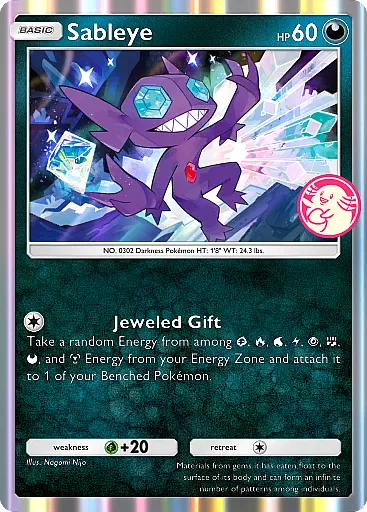
Terapagos ex Altaria is a unique Pokémon TCG Pocket multi-energy deck that uses Mantyke, Magby, and Pichu to accelerate different Energy types onto the Bench. Altaria creates fast early pressure with Dragon Arcana, while Terapagos ex scales Prism Impact into a powerful late-game finishing attack.

Deck List
Pokémon (8)
Swablu
Altaria
Mantyke
Terapagos ex
Magby
Pichu
Trainers (10)
Professor's Research
Cyrus
Sabrina
Copycat
Poké Ball
Giant Cape
Lisia
Field Blower
Area Zero
Source decklists
Source decklists referenced for this guide:
Strengths
- Terapagos ex scales damage with different attached Energy types.
- Prism Impact can reach very high damage with a diverse Energ setup.
- Altaria can deal 100 damage for only two different Energy types.
- Mantyke, Magby, and Pichu accelerate Energy without needing Energy themselves.
- The Baby Pokémon provide Water, Fire, and Lightning Energy access.
- The Energy Zone can add Psychic, Fighting, and Darkness for additional variety.
- Lisia can find multiple low-HP setup Pokémon.
- Swablu can create tempo with Sleep.
- Giant Cape helps Terapagos ex survive longer.
- Cyrus and Sabrina provide strong positional control.
- The deck can adapt between a fast Altaria plan and a slower Terapagos ex plan.
Weaknesses
- The Baby Pokémon only have 30 HP.
- The deck can become awkward when the wrong Energy types appear first.
- Terapagos ex requires several turns to reach maximum damage.
- Altaria is a Stage 1 Pokémon and still needs Swablu plus evolution access.
- The deck can struggle if the opponent removes Baby Pokémon before they attack.
- Area Zero also helps the opponent filter their hand.
- Field Blower is only one copy and must be used carefully.
- Bench space becomes limited with Terapagos ex, Swablu, Altaria, and three Baby Pokémon.
- The deck can draw too many Energy types without enough Pokémon setup.
Key Matchups
- Aggressive Basic-only decks Even
- Mirror or other Swablu lists Even
- Disruption / Cyrus + Sabrina decks Unfavored
Strategy Overview
Terapagos ex Altaria is one of the most unusual decks in Pokémon TCG Pocket because it does not focus on a single Energy type. Instead, it actively wants several different Energy types attached to its attackers. Most decks choose one or two Energy types because consistency is important. Terapagos ex Altaria intentionally breaks that rule. The deck uses Water, Fire, Lightning, Psychic, Fighting, and Darkness Energy to create a flexible multi-energy board that makes both Terapagos ex and Altaria stronger. The main attacker is Terapagos ex. Terapagos ex uses Prism Impact for three Colorless Energy. The attack starts at 80 damage and deals 20 additional damage for every different type of Energy attached to Terapagos ex. This means the damage ceiling increases as you build a more diverse Energy stack. With three different Energy types attached, Prism Impact reaches 140 damage. With four types, it reaches 160 damage. With five types, it reaches 180 damage. In the ideal full setup, Terapagos ex can hold six different Energy types and reach 200 damage. That is the deck’s long-game goal. Terapagos ex does not need six Energy types before it becomes useful. A three-Energy Terapagos ex with three different Energy types is already a serious attacker. However, every additional Energy type makes the opponent’s prize math more difficult. The deck is built to reach those different Energy types faster than it first appears. Mantyke, Magby, and Pichu are the key acceleration cards. Mantyke can use Splashy Toss without needing Energy. Its attack attaches one Water Energy from the Energy Zone to one of your Benched Basic Pokémon. Magby works in the same way with Fire Energy. Toasty Toss lets you attach one Fire Energy from the Energy Zone to one of your Benched Basic Pokémon. Pichu completes the Baby Pokémon package by attaching Lightning Energy from the Energy Zone to one of your Benched Basic Pokémon. All three Baby Pokémon only have 30 HP, so they are fragile. Their role is not to stay Active for the whole game. Their role is to create a free Energy acceleration turn before the opponent can remove them. This means a strong opening can look like this: Start Mantyke, Magby, or Pichu in the Active Spot. Bench Terapagos ex or Swablu. Use the Baby Pokémon’s free attack. Attach Water, Fire, or Lightning Energy to your Benched setup Pokémon. Use your normal Energy attachment for the turn. Begin building toward Altaria or Terapagos ex. The deck’s chosen normal Energy types should be different from the Baby Energy types. A common approach is to use Psychic, Fighting, and Darkness Energy in the Energy Zone. Combined with Water from Mantyke, Fire from Magby, and Lightning from Pichu, this gives the deck access to six total Energy types. You will not always get all six types in every game. That is not necessary. The important part is understanding which Energy types are already attached and what Terapagos ex damage number you can realistically reach. Altaria is the deck’s faster backup attacker. Altaria evolves from Swablu and uses Dragon Arcana for two Colorless Energy. The attack deals 40 damage normally. If Altaria has two or more different Energy types attached, Dragon Arcana deals 60 more damage, reaching 100 damage total. This makes Altaria extremely efficient. Unlike Terapagos ex, Altaria does not need a massive multi-energy stack. It only needs two different Energy types. A Baby Pokémon can attach one type to Swablu, and your normal attachment can provide a second type. That means Altaria can often attack much earlier than Terapagos ex. Altaria is therefore not just a side option. It is the deck’s most important tempo attacker. In some games, the correct plan is to build Altaria first, attack for 100 damage, and use that pressure to buy time for Terapagos ex. In other games, you may have an early Terapagos ex with multiple Energy types and choose to make it the main attacker immediately. The deck becomes difficult for the opponent because they do not always know which attacker will matter most. They may prepare for Terapagos ex, only for Altaria to take an efficient knockout. Or they may focus on Altaria while Terapagos ex quietly gains a fourth, fifth, or sixth Energy type on the Bench. Swablu is more than only an evolution target. Its Sing attack can put the opponent’s Active Pokémon to Sleep. While this is not the core strategy, it can create a useful tempo turn. A Sleeping opponent may fail to attack, may be forced to retreat, or may need to use a Trainer card to reset the Active Spot. This can be especially helpful when you need one more turn to attach another Energy type to Terapagos ex. Lisia is one of the most important Supporters in the deck. Lisia lets you take two random Basic Pokémon with 50 HP or less from your deck and put them into your hand. This is excellent because the deck contains several low-HP setup Pokémon: Swablu, Mantyke, Magby, and Pichu. Lisia helps you find the opening pieces needed for your acceleration plan. This is why the deck can play only one Poké Ball. Poké Ball is still useful, but Lisia often fills a similar role while finding two setup Pokémon at once. The deck’s Trainer package is built around flexibility. Professor’s Research gives immediate draw when you need multiple setup pieces. Copycat can become powerful when the opponent has built a large hand. Cyrus helps pull a damaged Bench Pokémon Active, while Sabrina can disrupt the opponent’s Active Spot and force awkward switches. Giant Cape is especially valuable on Terapagos ex. Since Terapagos ex often needs several turns to accumulate multiple Energy types, extra HP can make the difference between surviving an attack and losing your main win condition too early. Field Blower is important because the opponent may try to slow Terapagos ex with defensive Tools, remove your Giant Cape value, or use Stadium cards that interfere with your setup. Field Blower gives the deck a flexible answer to both Tools and Stadiums. Area Zero is the deck’s hand-filtering Stadium. Once during each player’s turn, that player may shuffle a Basic Pokémon from their hand into their deck and draw a card. This is useful when your hand contains an unwanted extra Baby Pokémon, duplicate Swablu, or another Basic Pokémon you do not want to bench. Instead of clogging your hand, Area Zero turns that Basic Pokémon into a fresh draw. However, Area Zero is symmetrical. The opponent can also use it. That means you should play Area Zero when you benefit immediately or when the opponent is unlikely to gain much from the effect. The main skill requirement with Terapagos ex Altaria is Energy planning. Do not attach Energy randomly. Before every attachment, ask: Does this Energy type increase Terapagos ex’s Prism Impact damage? Does Altaria already have two different Energy types? Do I need this Energy on Terapagos ex now, or should I use it to attack with Altaria first? Can a Baby Pokémon provide a type that I would otherwise need to attach manually? Will this Energy choice make a future Cyrus or Sabrina knockout easier? The deck is strongest when you treat Energy types as resources rather than only attack costs. Overall, Terapagos ex Altaria is a high-ceiling multi-energy deck. It has fast early acceleration through Baby Pokémon, efficient mid-game pressure through Altaria, and a powerful late-game finisher in Terapagos ex. It can feel awkward at first because the Energy Zone looks unusual, but once you understand the sequencing, it becomes one of the most creative and rewarding archetypes to play.
Gameplay Video
Key Cards
Swablu
appears in nearly every tournament list (average 1.86 copies). Core part of the archetype's engine.
Altaria
appears in nearly every tournament list (average 2.00 copies). Core part of the archetype's engine.
Mantyke
appears in nearly every tournament list (average 1.05 copies). Core part of the archetype's engine.
Terapagos ex
appears in nearly every tournament list (average 1.19 copies). Core part of the archetype's engine.
Early Game
The early game is about starting with a Baby Pokémon whenever possible. Mantyke, Magby, and Pichu all provide free Energy acceleration. Your ideal opening is one Baby Pokémon Active with either Swablu or Terapagos ex on the Bench. Use the Baby attack to attach its specific Energy type to the Benched Pokémon that best fits your hand. If you have Altaria available, prioritize Swablu. One Baby Energy plus one normal Energy attachment can give Altaria the two different Energy types needed for Dragon Arcana. If you have Terapagos ex and several different Energy types available, begin charging Terapagos ex immediately. Do not wait too long for the perfect six-type setup. A Terapagos ex with three or four different Energy types can already become a strong attacker. Use Lisia early when you need multiple low-HP Basics. It can find the Baby Pokémon package and Swablu lines more efficiently than relying only on Poké Ball.
Mid Game
The mid game is where you choose between Altaria pressure and Terapagos ex scaling. Altaria is often the correct attacker first. Dragon Arcana reaches 100 damage with two different Energy types, which is an efficient damage number for only two Energy. Use Altaria to take early prizes, pressure ex Pokémon that are not yet fully developed, or force the opponent to react while Terapagos ex builds on the Bench. Terapagos ex becomes the preferred attacker once it has at least three different Energy types attached. At that point, Prism Impact deals 140 damage and becomes a major threat. Use Giant Cape on Terapagos ex when the opponent can realistically knock it out before it attacks. Terapagos ex is your highest-value long-game attacker, so protecting it matters more than protecting a Baby Pokémon that has already completed its Energy acceleration job. Use Field Blower when a Tool or Stadium is preventing your clean knockout route. Do not waste it only because there is a target available.
Late Game
The late game is about maximizing Prism Impact damage and taking the safest prize route. Count the Energy types on Terapagos ex before attacking. Do not only count the total number of Energy. Three different Energy types deal a different amount of damage than three identical Energy types. Use Cyrus to bring damaged Bench Pokémon Active when Terapagos ex or Altaria can finish them efficiently. Use Sabrina when the opponent has an awkward Bench target, a high-Retreat Pokémon, or a damaged attacker trying to hide from your main damage line. Area Zero can become important late when you have extra Baby Pokémon or duplicate Basics in hand. Shuffle one away and draw a fresh card that may find Cyrus, Sabrina, Giant Cape, or a final Energy type. Remember that Altaria can still be the better final attacker. A 100-damage Dragon Arcana may be enough to take the last prize without risking Terapagos ex.
Card Replacements
Swablu appears in nearly every tournament list and defines the archetype. If you cannot craft it, consider a different deck rather than substituting.
Iono is the closest universal draw Supporter if you are short on Professor's Research, though it trades raw card quantity for a hand reset.
Sabrina forces a switch from the opponent's choice; less precise than Cyrus but keeps disruption pressure.
Cyrus directly pulls a damaged benched Pokémon active when you already have damage on board.
Common Mistakes
- Attaching duplicate Energy types to Terapagos ex when a new type is available.
- Forgetting that Prism Impact counts different Energy types rather than total Energy cards.
- Trying to wait for six Energy types before Terapagos ex attacks
- Ignoring Altaria as an early attacker while building Terapagos ex too slowly.
- Benching all three Baby Pokémon when you do not have enough Bench space for Swablu and Terapagos ex.
- Using Lisia after you already have all the low-HP Basics you need.
- Playing Area Zero when the opponent benefits more from the hand filtering.
- Using Giant Cape on a Baby Pokémon that has already completed its job.
- Wasting Field Blower on a low-impact Tool instead of saving it for a crucial Stadium or defensive Tool.
- Using Cyrus before a damaged Bench target is realistically in knockout range.
Tips & Tricks
- Start Mantyke, Magby, or Pichu whenever possible.
- Use each Baby Pokémon to attach an Energy type that Terapagos ex does not already have.
- Build Altaria first when your hand has two different Energy types but Terapagos ex is still far from ready.
- Use Altaria’s 100-damage Dragon Arcana to create early pressure
- Treat Terapagos ex as a long-game finisher, not always as your first attacker.
- Attach Giant Cape to Terapagos ex before the opponent can reach an important knockout threshold.
- Use Swablu’s Sleep attack when you need one more setup turn.
- Use Lisia to find two low-HP Basics and establish your opening board faster.
- Use Area Zero to recycle unwanted duplicate Basics from your hand.
- Count Terapagos ex Energy types before every Prism Impact attack.
- Use Cyrus to punish damaged Bench Pokémon and Sabrina to create awkward switches.
Frequently Asked Questions
What is the Altaria Terapagos ex deck in Pokémon TCG Pocket?
Altaria Terapagos ex is an archetype built around Swablu and Altaria, using the deck's energy. This guide is built from 21 real tournament decklists across 15 events.
Is Altaria Terapagos ex good right now?
Based on current tournament lists, Altaria Terapagos ex appears regularly in competitive play. We do not claim a win rate — refer to the tier list for current placement.
What are the key cards in Altaria Terapagos ex?
The most-played cards across tournament lists are Swablu, Altaria and Mantyke. The list usually runs around 9 different Trainer cards for consistency and disruption.
What energy does Altaria Terapagos ex use?
Energy choice varies across tournament lists for this archetype.
Where does this guide's data come from?
This is a generated draft based on 21 tournament decklists imported from Limitless. The card list reflects what appears most often in real competitive play, not a fixed recipe.
How This Deck Guide Was Generated
This guide is based on 21 tournament decklists across 15 tournaments imported from Limitless. The decklist shown reflects the most common competitive build at the time of generation.