Pokémon TCG Pocket Deck Building Guide
Building a strong Pokémon TCG Pocket deck is not just about adding your favorite cards. A good deck needs a clear plan, reliable setup, consistent draw power, and a way to win before the opponent takes control of the match. Many new players lose games before the first attack is even declared because their deck has too many ideas at once. They add several attackers, multiple evolution lines, too many situational cards, or Energy types that do not support the main strategy. The result is a deck that looks powerful on paper but fails to function consistently in real games. This guide explains how to build better Pokémon TCG Pocket decks from the ground up. Whether you are preparing for ranked play, events, or tournaments, the same principles apply: define your win condition, build around it, keep the list consistent, and remove cards that do not support your main game plan.
Start With a Clear Win Condition
Every good deck starts with one question: how does this deck win? Your win condition is the main way your deck plans to take prizes and close the game. In some decks, this is a powerful Basic ex Pokémon that attacks early. In other decks, it may be a Stage 2 attacker that needs time to evolve but becomes overwhelming once it is set up. Some decks win through repeated pressure, while others rely on one big attacker supported by disruption. A common beginner mistake is building around too many win conditions at once. For example, if your deck tries to support two different evolution lines, two different Energy types, and multiple attackers that do not work together, your draws become inconsistent. Instead of executing one strong plan, the deck does several weak things. When building a deck, identify your primary attacker first. Then ask which cards help that attacker attack faster, survive longer, or take better knockouts. If a card does not help your win condition, it probably does not belong in the deck.
Choose a Main Attacker and a Backup Plan
Most competitive decks are built around one main attacker. This is usually the Pokémon that deals the most important damage, defines the archetype, or creates the strongest pressure. Your main attacker should be easy enough to access and powerful enough to justify building the entire deck around it. However, a good deck also needs a backup plan. Sometimes your main attacker is prized, delayed, or countered by the opponent. A secondary attacker gives you a way to keep playing instead of instantly falling behind. The best backup attackers usually share the same Energy type, benefit from the same support cards, or solve a specific problem your main attacker struggles with. For example, a deck may use a heavy-hitting ex Pokémon as its main attacker and a lower-cost single-prize Pokémon as a backup attacker to trade more efficiently. The key is balance. A backup attacker should support the main plan, not compete with it. If your backup plan requires too many extra cards, it may weaken the deck instead of improving it.
Keep Your Pokémon Lines Focused
Trainer cards are often the difference between a fun deck and a competitive deck. Pokémon win the game, but Trainer cards help you actually find them. Draw Supporters, search cards, switching effects, healing cards, and disruption tools allow your deck to function under pressure. Without enough consistency cards, even the strongest attacker will sit uselessly in your deck or hand. A strong Pokémon TCG Pocket deck usually includes several cards that help you draw, search, or stabilize. Cards like Professor's Research, Poké Ball, or other universal consistency tools are popular because they reduce the number of games lost to bad openings. When reviewing your decklist, ask yourself: can this deck find its main attacker reliably? Can it recover after a weak opening hand? Can it still function if the opponent disrupts the Active Pokémon? If the answer is no, the deck probably needs more consistency, not more attackers.
Trainer Cards Make the Deck Consistent
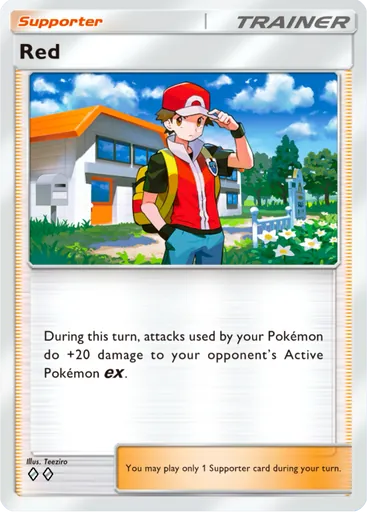
Trainer cards are often the difference between a fun deck and a competitive deck. Pokémon win the game, but Trainer cards help you actually find them. Draw Supporters, search cards, switching effects, healing cards, and disruption tools allow your deck to function under pressure. Without enough consistency cards, even the strongest attacker will sit uselessly in your deck or hand. A strong Pokémon TCG Pocket deck usually includes several cards that help you draw, search, or stabilize. Cards like Professor's Research, Poké Ball, or other universal consistency tools are popular because they reduce the number of games lost to bad openings. When reviewing your decklist, ask yourself: can this deck find its main attacker reliably? Can it recover after a weak opening hand? Can it still function if the opponent disrupts the Active Pokémon? If the answer is no, the deck probably needs more consistency, not more attackers.
Do Not Overload on Situational Cards
Situational cards can be powerful, but they are also dangerous. A situational card is only good in specific moments. It may counter one matchup, protect one Pokémon, or create one strong late-game play. The problem is that these cards can be weak or useless when drawn at the wrong time. New players often add too many tech cards because each one sounds useful. One card for healing, one card for switching, one card for a specific matchup, one card for a rare combo, and suddenly the deck no longer draws its core strategy consistently. Competitive deck building is about discipline. If a card is only useful in one out of ten games, it needs to be extremely powerful in that one game to justify the slot. Otherwise, it is usually better to play another consistency card or another copy of a core card. Tech cards are best added after the main deck already works. First build a consistent version. Then adjust a few flexible slots based on the meta.
Energy Choices Matter

Energy is one of the easiest parts of deck building to underestimate. The best decks usually keep their Energy requirements simple. Single-type decks are more reliable because every Energy attachment supports the main plan. Multi-type decks can be powerful, but they also create more awkward hands and more games where the wrong Energy appears at the wrong time. Before adding a second Energy type, ask whether the payoff is worth the risk. Does the second type unlock a major attacker? Does it solve a bad matchup? Does it make the deck stronger often enough to justify the consistency loss? If the answer is unclear, start with one Energy type. A simple deck that attacks every game is usually better than a flashy deck that only works when everything lines up perfectly.
Understand Your Deck’s Tempo
Tempo means how quickly your deck can apply pressure. Some decks are aggressive. They want to attack early, take quick knockouts, and force the opponent to respond. These decks usually prefer Basic Pokémon, low Energy attacks, and simple setups. Other decks are slower. They need time to evolve or build a powerful board state. These decks may be stronger in the mid or late game, but they must survive the early turns. When building your deck, be honest about its tempo. If your deck is slow, you need cards that help you survive, draw, and stabilize. If your deck is fast, you need to avoid unnecessary setup cards that slow down your opening turns. A deck becomes much stronger when every card supports the same tempo plan.
Build Around the Current Meta
A deck does not exist in a vacuum. It has to beat the decks people are actually playing. This is why the meta matters. If the most popular decks are fast Basic ex attackers, slow evolution decks need extra consistency and defensive options. If Stage 2 decks dominate, disruption and early pressure become more valuable. If one Energy type is everywhere, resistance and matchup-specific tech cards may become stronger. When editing a deck, look at the current tier list and ask which matchups matter most. You do not need to beat every deck perfectly. But you should have a plan against the most popular strategies. A good competitive deck has both a strong main plan and a realistic understanding of the meta around it.
Test Before You Craft Everything
Crafting resources are valuable, especially for free-to-play players. Before investing in an expensive deck, make sure the strategy fits your playstyle and your collection. Look at tournament lists, compare multiple versions of the archetype, and check how often the key cards appear. If a card is included in almost every successful list, it is probably core. If a card only appears in a few versions, it may be optional or meta-dependent. When possible, build a budget version first. Even if it is weaker, it can teach you whether you enjoy the deck’s game plan. Once you understand the strategy, you can decide whether the expensive upgrades are worth crafting.
Common Deck Building Mistakes
- Playing too many different attackers without a clear main plan
- Adding multiple Energy types without enough payoff
- Using too many evolution lines
- Cutting consistency cards for situational tech cards
- Building only for best-case hands
- Ignoring the current meta
- Crafting expensive cards before testing the archetype
- Using favorite cards even when they do not support the strategy
- Forgetting to include a backup attacker
- Changing too many cards after only one loss
Final Deck Building Checklist
- Does the deck have one clear win condition?
- Can the deck find its main attacker consistently?
- Are the Pokémon lines focused and reliable?
- Does the Energy type support the main strategy?
- Do the Trainer cards improve consistency?
- Is there a backup attacker or secondary plan?
- Can the deck handle popular meta decks?
- Are situational cards actually worth their slots?
- Is the deck easy enough to pilot under pressure?
- Have you tested the list before crafting expensive cards?
Final Thoughts
Good deck building in Pokémon TCG Pocket is about focus. The best decks are not always the flashiest decks. They are the decks that execute one strong plan consistently. Start with a clear attacker, support it with the right Pokémon line, add enough Trainer cards to find your pieces, and keep your Energy requirements simple. Once the deck works reliably, you can begin adjusting flexible slots for the current meta. As you improve, you will start to see deck building differently. Instead of asking, “Is this card good?” you will ask, “Does this card help my deck win more often?” That question is the foundation of every strong competitive deck.
Frequently Asked Questions
How many Pokémon should I play in a Pokémon TCG Pocket deck?
Most competitive decks use a focused Pokémon package built around one main attacker and one backup plan. The exact number depends on the archetype, but adding too many Pokémon lines usually makes the deck less consistent.
Should I play one Energy type or multiple Energy types?
Single-type decks are usually more consistent. Multi-type decks can be strong, but only if the second Energy type provides enough value to justify the added risk.
What is the most important part of deck building?
The most important part is having a clear win condition. Every card in the deck should help you execute that plan more consistently.
How do I know if a card is core or optional?
Compare multiple tournament lists. If a card appears in almost every successful version of the deck, it is likely core. If it appears only sometimes, it is probably optional or meta-dependent.
Should beginners copy tournament decks?
Yes, copying tournament decks is one of the best ways to learn. Once you understand why the list works, you can start making small adjustments for your own collection and matchups.
Why does my deck feel inconsistent?
Most inconsistent decks have too many ideas at once. Too many attackers, too many evolution lines, too many tech cards, or too many Energy types can all make a deck harder to play reliably.
Related guides
Got questions?
Drop into the Discord — most beginners get a deck-list reply within an hour.
Join the Discord