Good pack strategy is really collection strategy
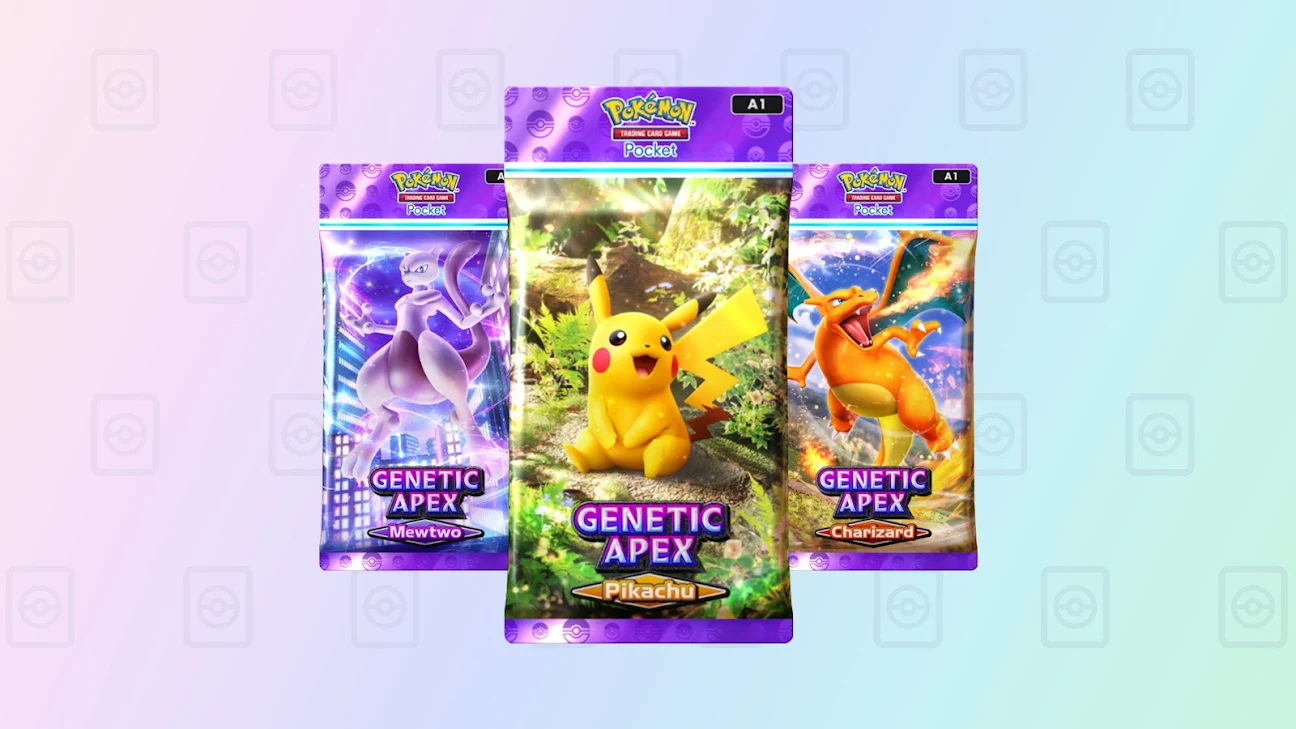
Most players lose value before the pack is even opened. They open based on mood, hype, or the last card they saw on social media. Stronger progression comes from knowing exactly why you are opening a pack today. Are you building your first ranked deck? Completing a second archetype with overlap? Hunting the final missing copy of a support line? Each goal implies a different opening strategy, but all of them are better than random curiosity.
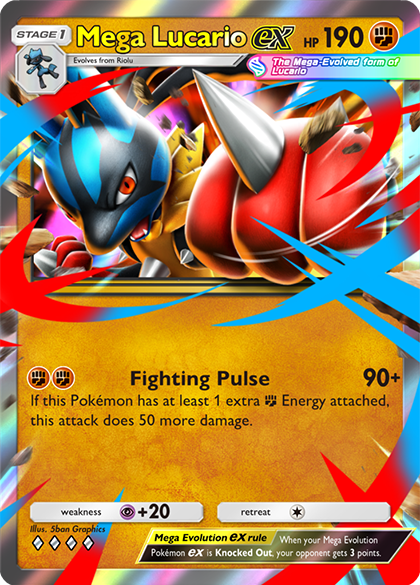
This is why pack strategy cannot be separated from account goals. A player aiming to finish Mega Lucario EX should not open like a collector chasing broad variety, and a player trying to prepare for a future meta shift should not spend as though they need immediate ladder results. When your objective is clear, the correct pack decisions usually become much easier.
Think of every open as a vote for one path. The more scattered the votes, the slower your deck completion.
Choose the deck before you choose the pack
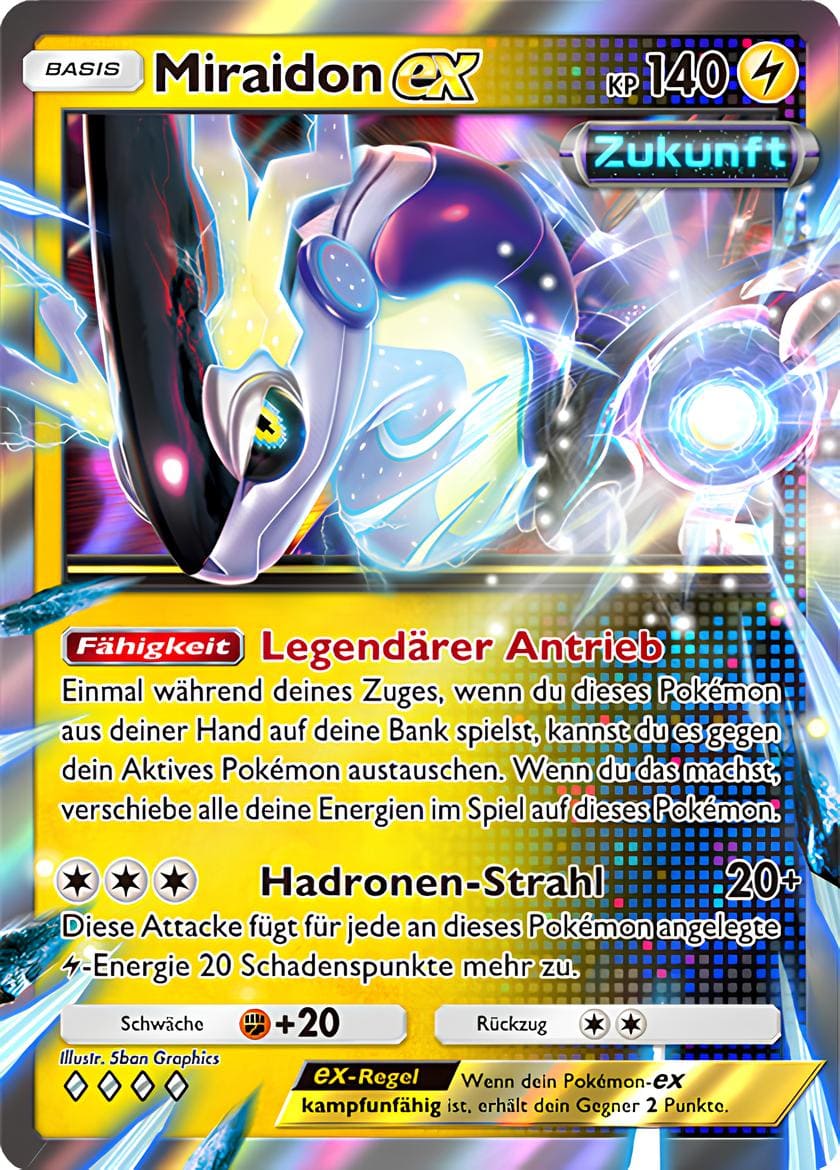
This is the core rule most players reverse. They open a pack, see what they pulled, and then decide what deck they might build. Efficient players do the opposite. They decide whether their next real deck is [Mega Lucario EX](/decks/mega-lucario-ex), [Miraidon EX Magnezone](/decks/miraidon-ex-magnezone), or another realistic target, then they open the pack that advances that specific plan.
This approach matters because even good pulls can be bad for progression if they belong to a direction you cannot realistically finish. A single powerful EX from a side pack often delays your main project more than it helps. The deck-first approach protects you from those detours.
If you are unsure which direction is best, use [Best Packs To Open](/guides/best-packs-to-open) and [Best Free-To-Play Decks](/guides/best-free-to-play-decks) first, then return here with a clearer target.
Wonder Picks, crafting, and shop value
Good pack opening is not just about the packs themselves. Supporting systems like Wonder Pick and targeted crafting dramatically increase the value of a focused opening plan. When you open the same pack consistently, you create a clearer map of what is still missing. That makes it easier to use other resources efficiently instead of guessing.
For example, if repeated openings have left you one evolution piece short of a complete list, Wonder Pick becomes a gap-filling tool instead of a random gamble. Likewise, crafting becomes more efficient when it is used to finish a nearly complete deck rather than to rescue a scattered collection. This is exactly where [Best Cards To Craft](/guides/best-cards-to-craft) and [Wonder Pick Guide](/guides/wonder-pick-guide) tie into your opening plan.
Shop resources should follow the same logic: buy the card or effect that improves the deck you are actively building, not the one you might build one day.
Resource priorities and timing
Openings feel emotional because the rewards are instant, but your best timing decisions are usually boring. Open toward a defined objective. Pause before chasing a new release. Reassess only when your main deck is effectively complete or when the meta has shifted enough that your next deck priority clearly changed.
Players who maximize value often work in stages. Stage one is heavy focus on a single pack path. Stage two is patching the last gaps with secondary resources. Stage three is choosing a second deck that overlaps with what the account already owns. That stage-based structure produces much better results than bouncing between packs whenever progress feels slow.
If you are F2P, patience is part of the skill expression. Efficient accounts do not always progress faster every day, but over a month they pull far ahead.
Common mistakes when opening packs
The classic mistake is chasing a highlight pull instead of a playable shell. Another is quitting a strong pack too early after a cold streak, even though the overall expected value is still good. A third is overvaluing novelty and undervaluing overlap. A card that supports multiple future lists is more useful than a random splashy hit you cannot use yet.
Players also underestimate how expensive indecision is. Ten 'just for fun' openings in the wrong place can delay a deck completion by days or weeks. There is nothing wrong with fun openings once your account is healthy, but early and mid progression should still be driven by purpose.
If you often feel like you are always close to several decks but finished with none, your opening strategy is probably too scattered.
Beginner and advanced recommendations
For beginners, the safest recommendation is simple: pick one realistic ladder deck and commit until it is playable. Ignore side temptations. Track what you are missing. Use supporting resources only to complete the plan. For advanced players, the conversation shifts slightly. You can begin weighing meta projections, future overlap, and whether a second deck gives you better tournament or ladder flexibility.
Even then, the basic principle stays the same: packs should serve a purpose. The players with the strongest collections are often just the ones who wasted the fewest opens.
Frequently Asked Questions
Should I always open the same pack until a deck is finished?
Usually yes if your goal is efficient progression. Focused opening is the fastest way to complete a real deck.
When should I use Wonder Pick during a pack plan?
Use it to patch specific gaps in the deck you are actively building rather than treating it as a separate random activity.
Is it okay to chase a flashy card if I like it?
Yes, but it should come after your main competitive path is stable. Early progression punishes off-plan spending more than most players realize.
What is the biggest pack-opening mistake?
Opening without a defined deck goal. Random openings create fragmented progress and delay your first strong ladder deck.
Decks mentioned in this guide
Related guides
Got questions?
Drop into the Discord — most beginners get a deck-list reply within an hour.
Join the Discord