1. Shikamaru Is the Engine
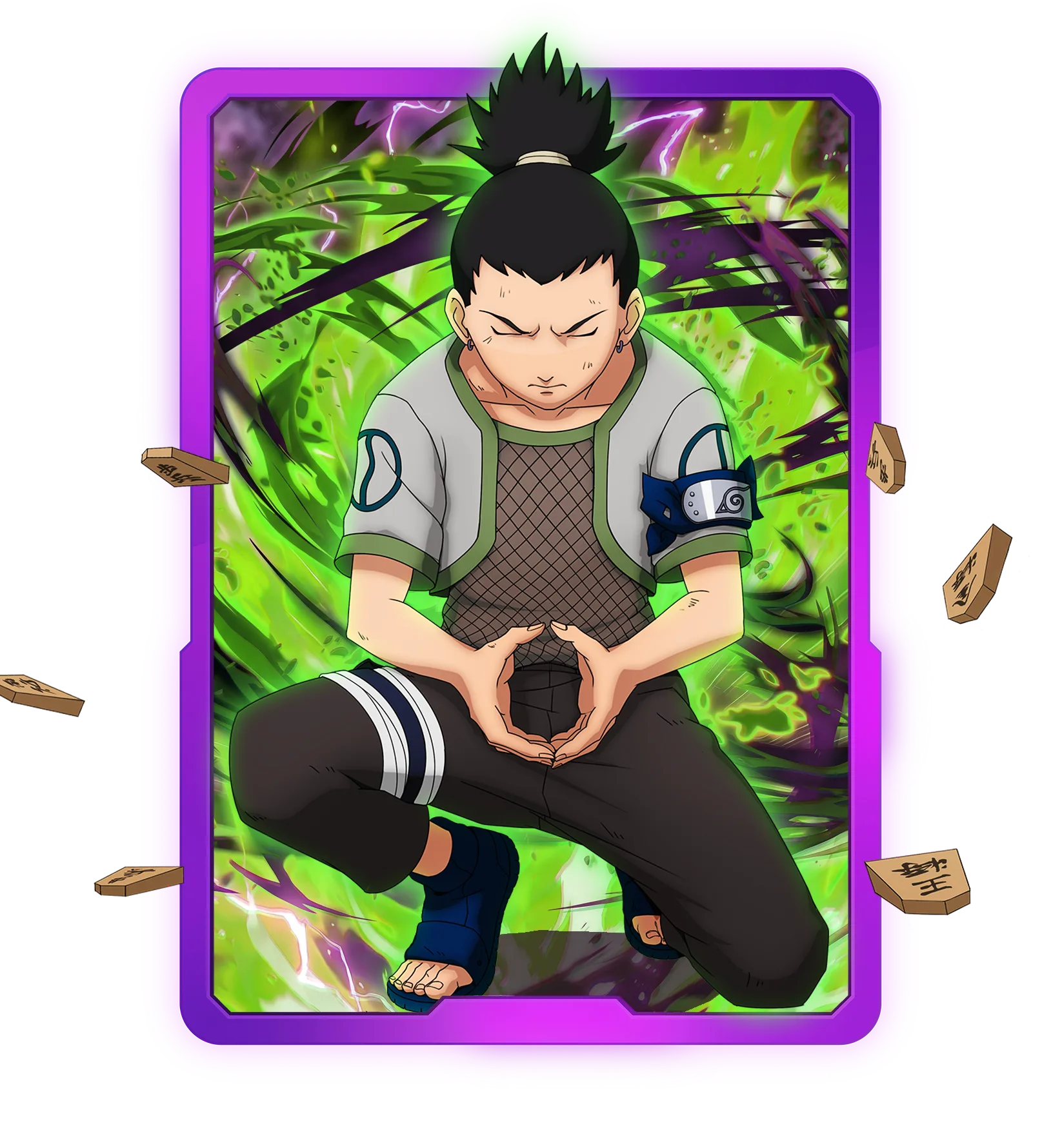
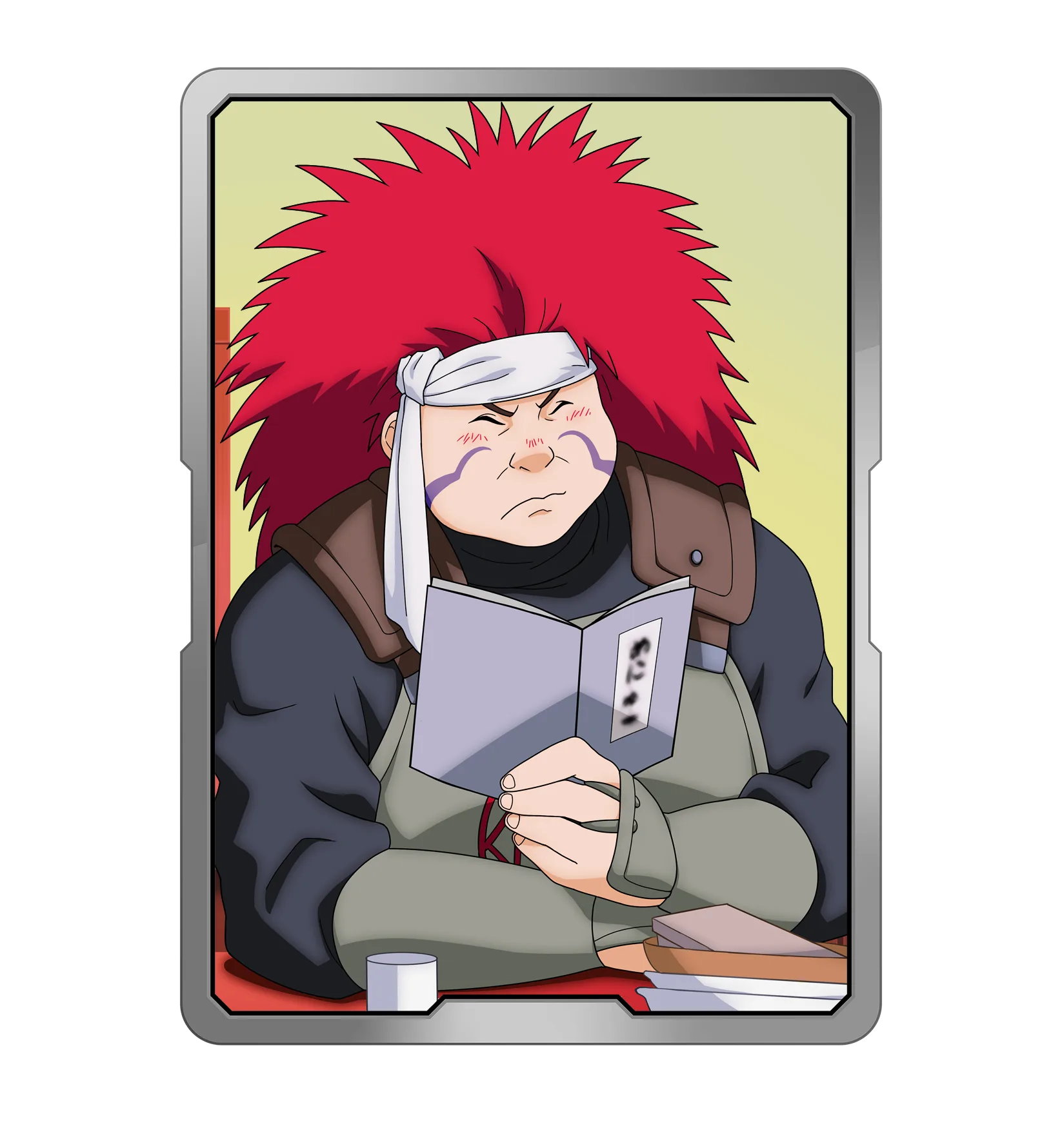
Everything starts with Shikamaru – Shogi Master.
On deployment:
Pin(10s) self + Chakra(+3)
That immediately takes him from 2 Chakra to 5 Chakra.
Then comes the important part:
Whenever you Pin other allied cards or they Focus, they gain Chakra(+3).
Notice the distinction: Shikamaru's own initial self-Pin isn't what powers the rest of the engine. Once he's active, you want to start applying Pin to other allies.
And this deck has multiple ways to do exactly that.
2. Iruka Turns Cheap Deployments Into Chakra
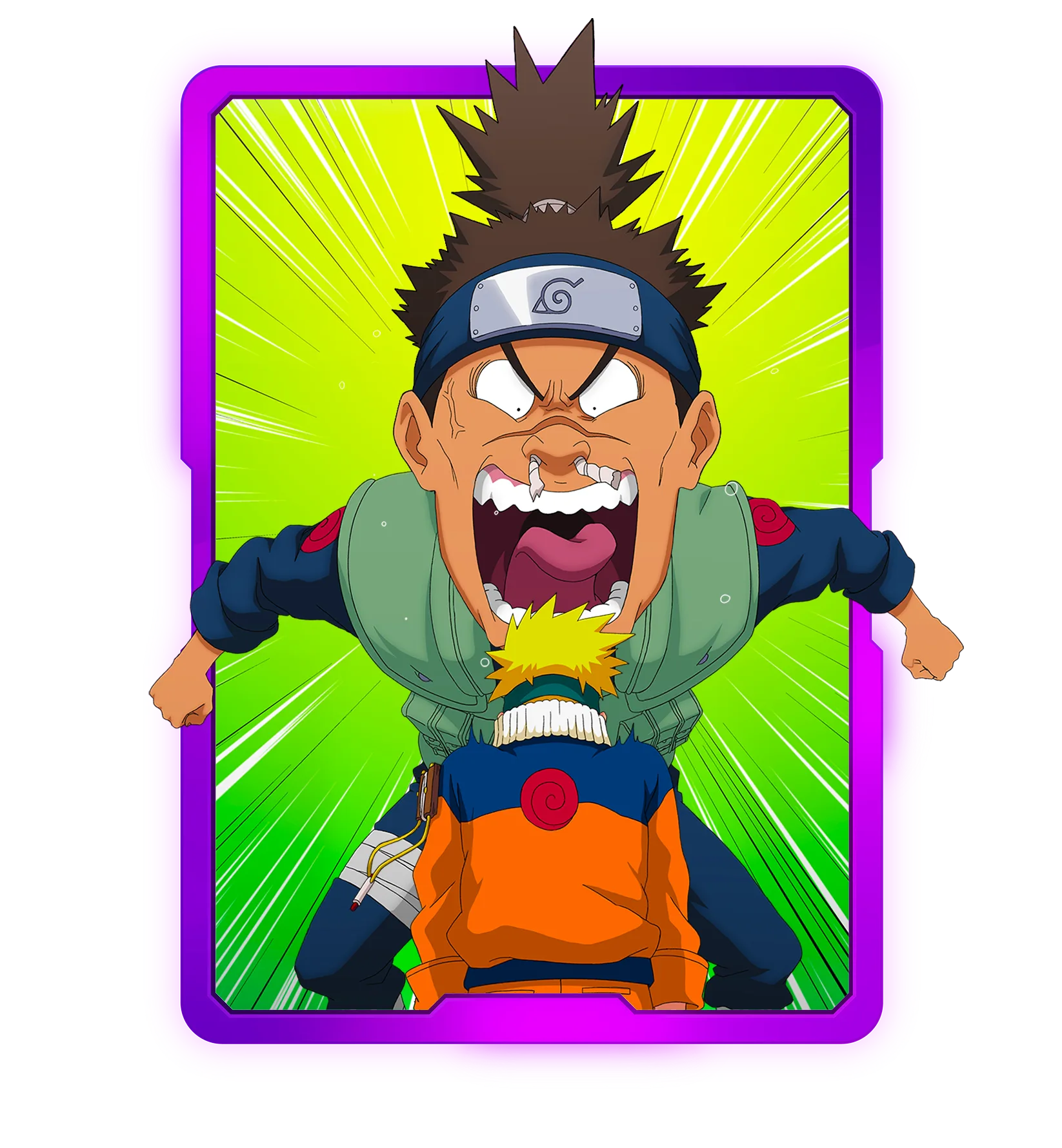
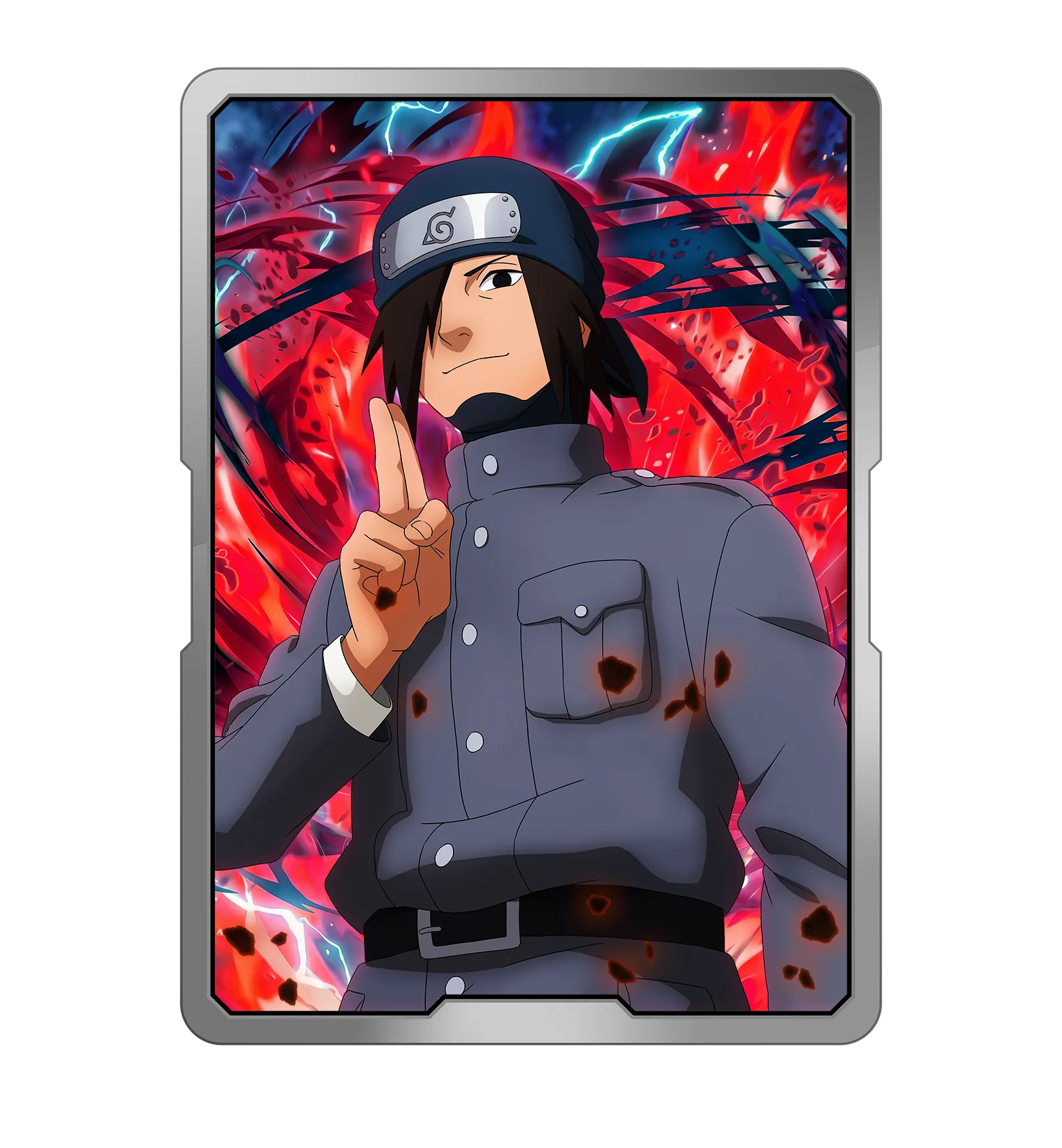
Iruka – Scolding is one of the most important engine cards.
While Iruka is active, whenever you deploy an ally with 2 Chakra, that ally receives:
Chakra(+1) + Pin(2s)
Look at how much of this deck naturally starts at 2 Chakra:
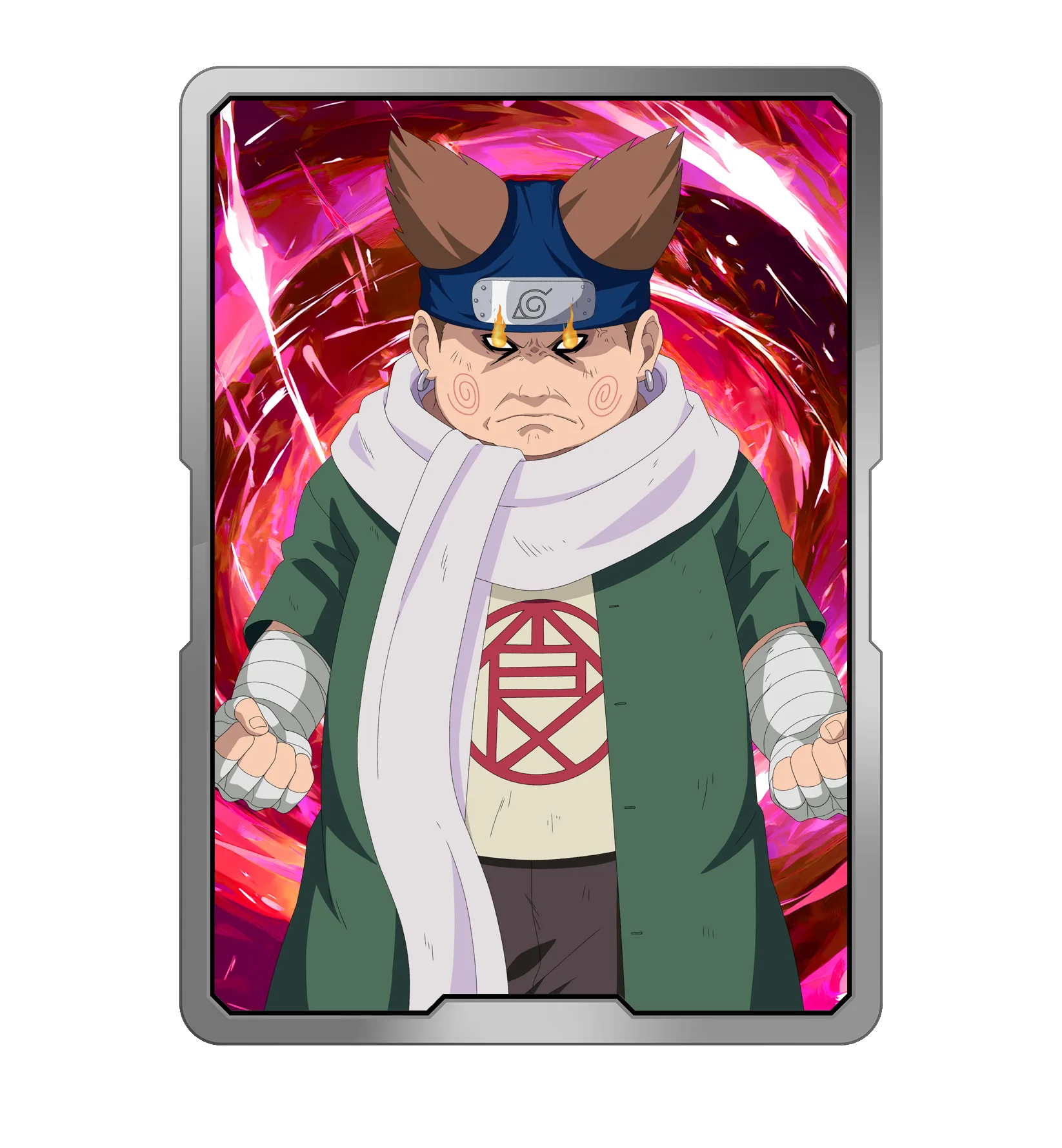
Choji – Strength
Shikamaru – Shogi Master
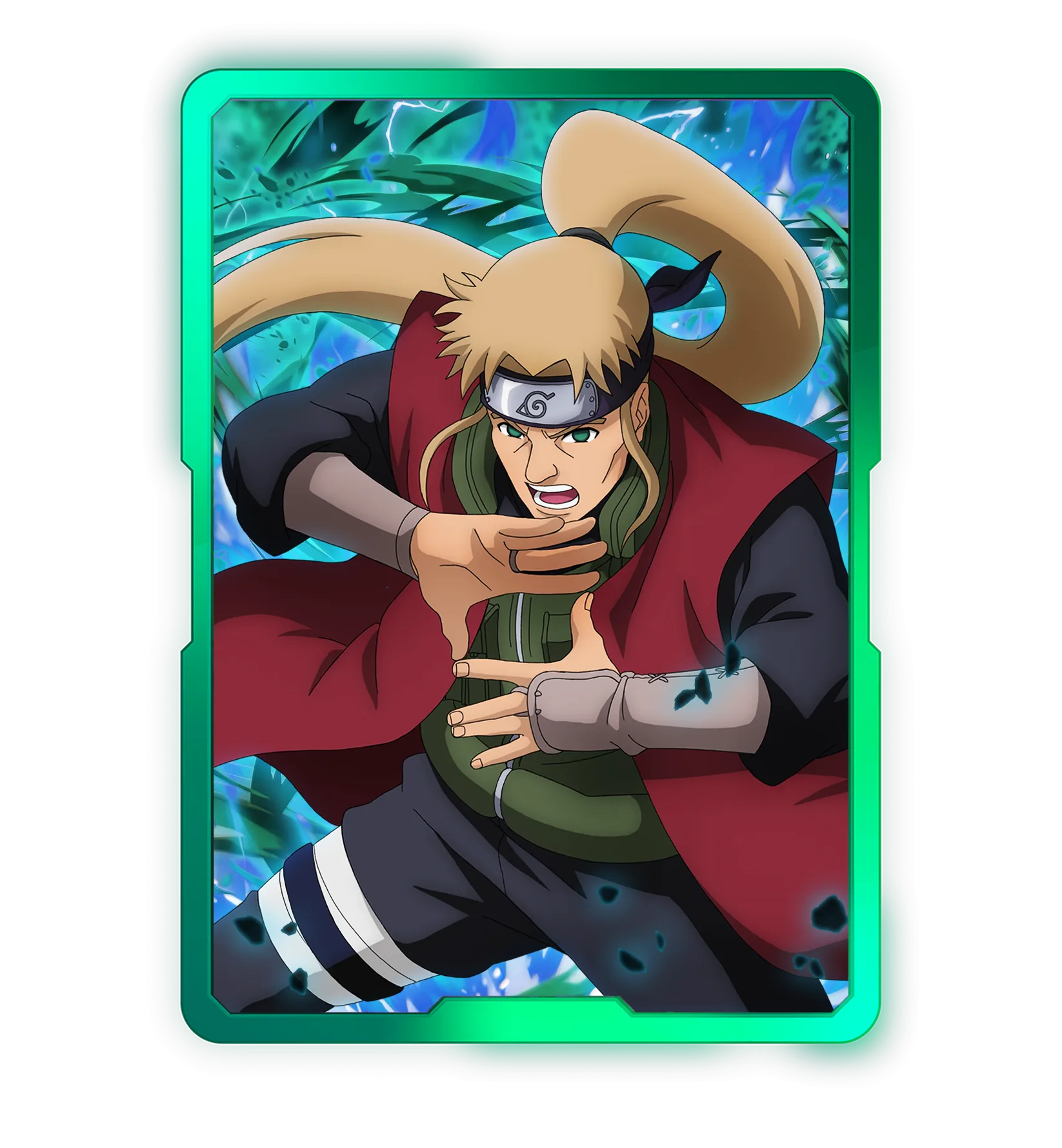
Ino – Mind Transfer
Hinata – Gentle Fist
Naruto – Challenger
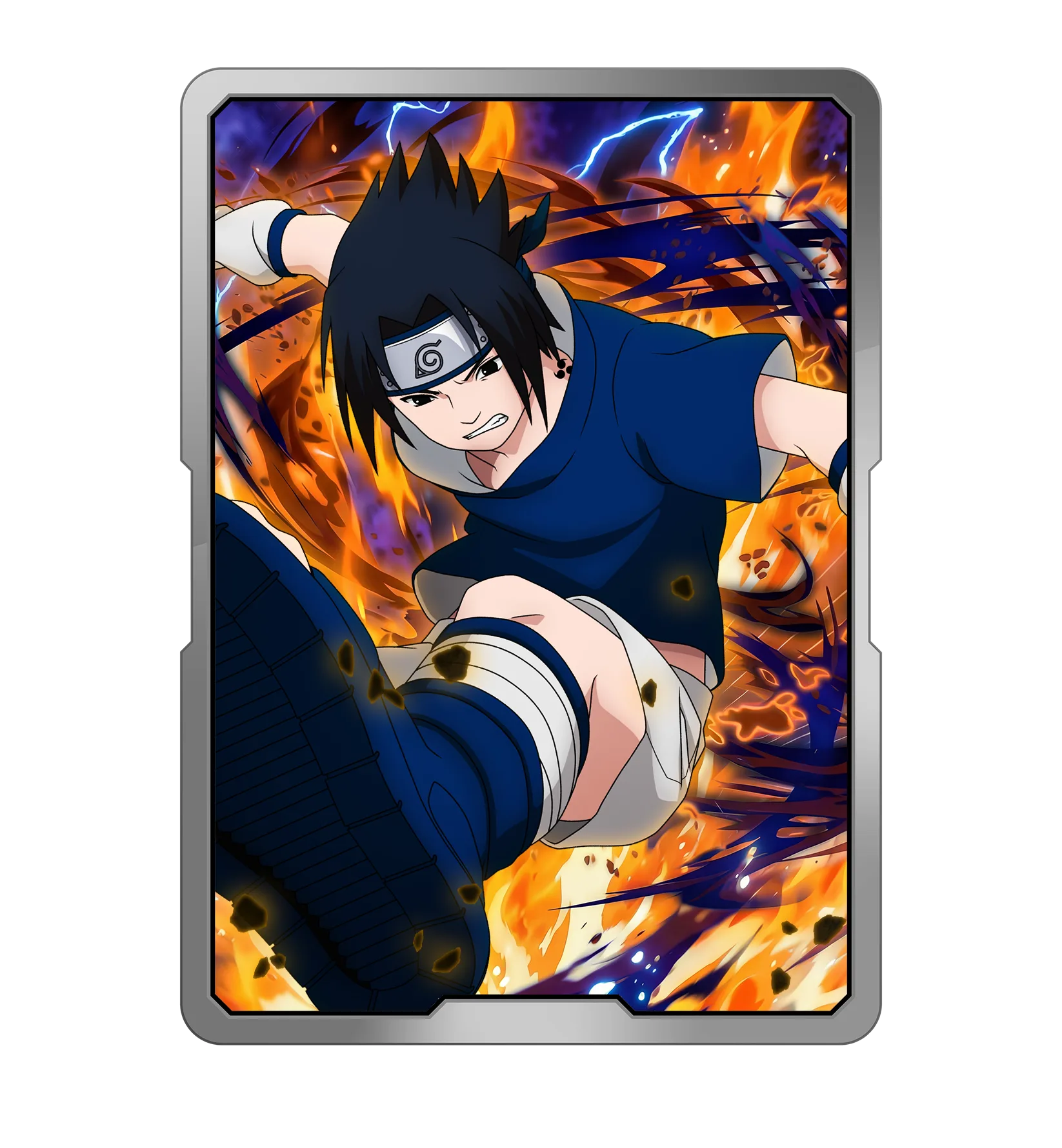
Sasuke – Lion's Barrage
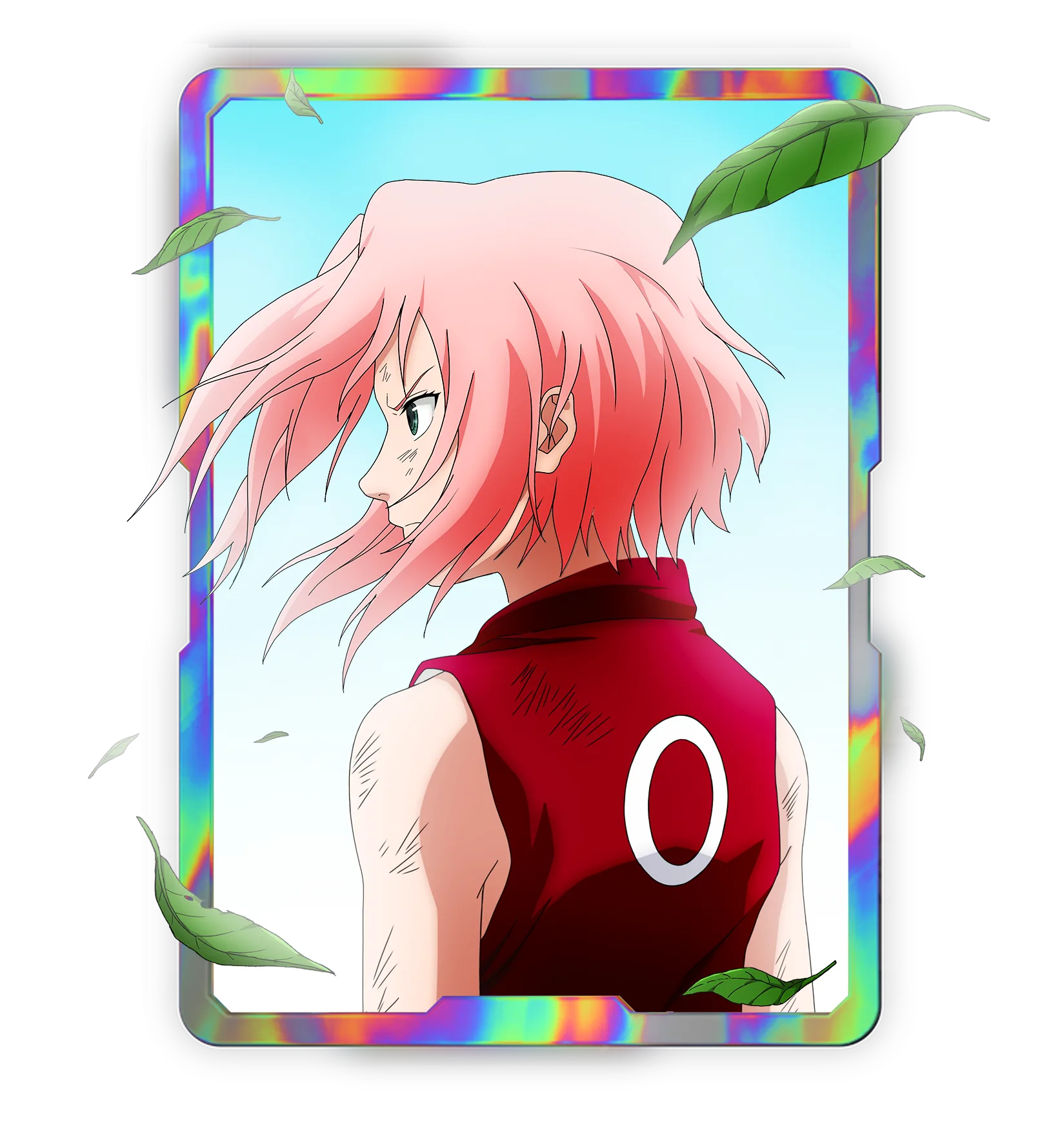
Sakura – Unyielding
Naruto – Transformation Jutsu
That is not accidental deck construction.
With Iruka alone, those deployments receive Chakra(+1) and Pin.
But with Shikamaru also active, that allied Pin can trigger his Chakra(+3) effect.
So a 2-Chakra ally can potentially receive:
+1 from Iruka
+3 from Shikamaru
That's Chakra(+4) tied to the deployment/Pin engine.
This looks like the main combo of the entire deck.
3. Izumo Turns Self-Pin Into a Payoff
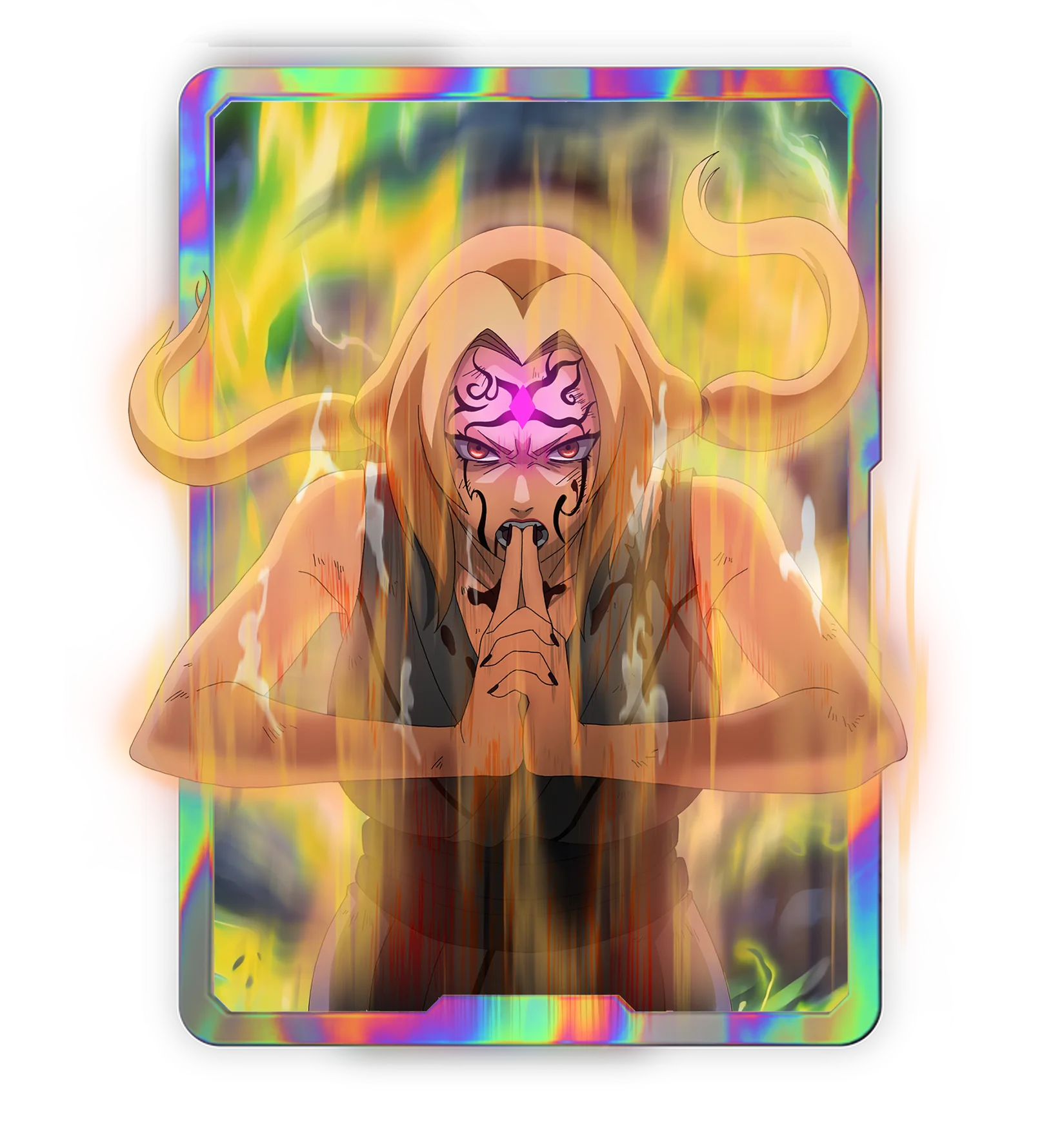
Izumo – Sabotage looks strange until you put him next to Shikamaru.
On deployment:
Pin(2s) three random lane allies.
Normally, voluntarily Pinning three of your own cards sounds terrible.
Here, that's potentially exactly what you want.
With Shikamaru active, those allied Pins can become Chakra(+3) triggers for the affected cards.
That means Izumo has the potential to convert a short 2-second inconvenience into a significant resource swing.
The important limitation is random lane allies. You don't have perfect control over which three cards receive the Pin, and you still need the correct board state to capitalize on it.
4. Ino Gives You a Second Shikamaru Trigger
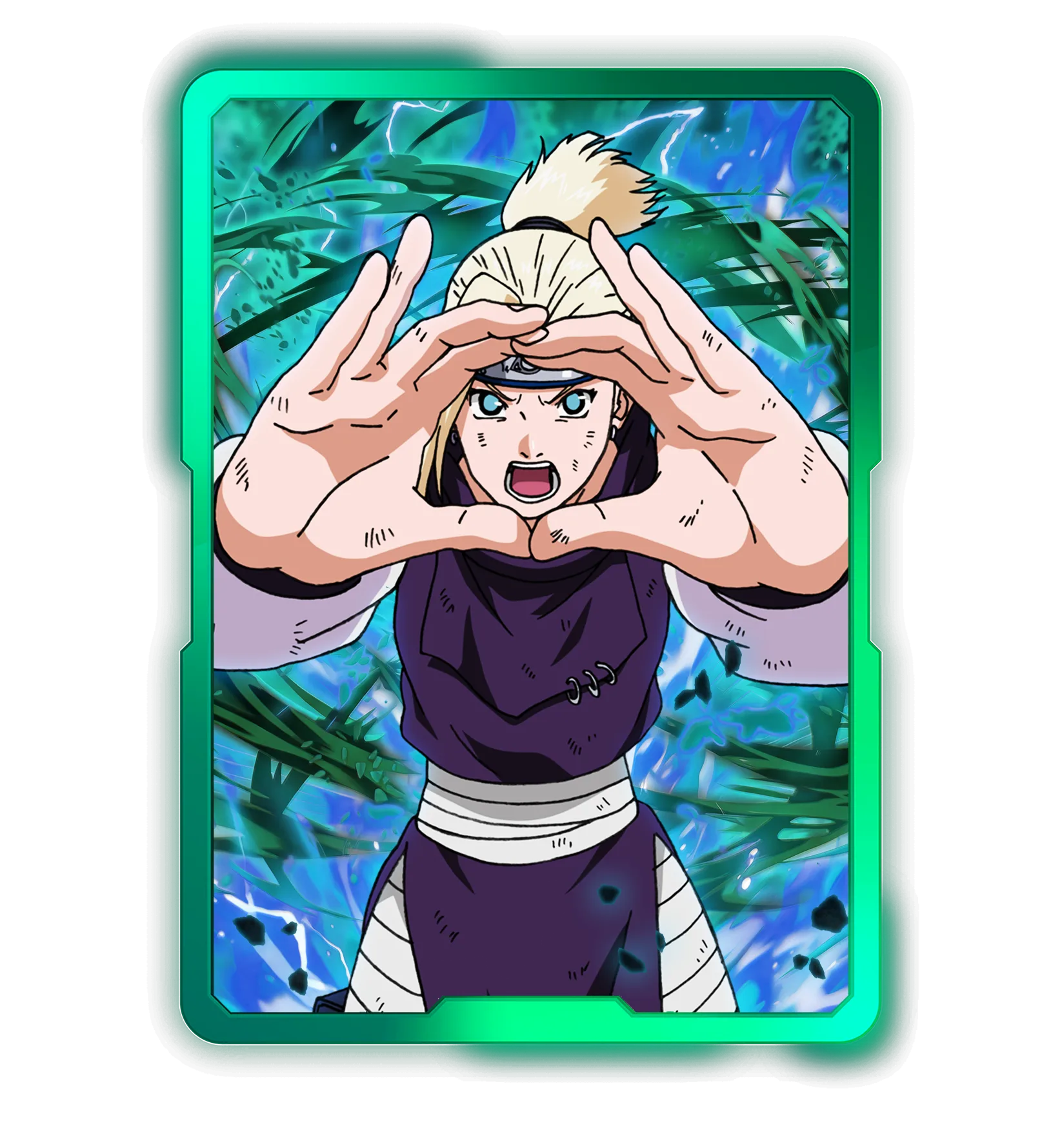
Ino – Mind Transfer provides another route into Shikamaru's effect.
On deployment, she gains Focus(8s) and takes control of the lane rival in Mid Range with the highest Chakra.
After Focus ends, control returns to the opponent.
Shikamaru specifically rewards allied cards when they Focus.
So with Shikamaru active, deploying Ino doesn't only begin Mind Transfer — her Focus also satisfies Shikamaru's condition for Chakra(+3).
This gives the deck another way to generate resources without relying entirely on Iruka or Izumo.
And Mind Transfer itself can temporarily remove an important rival card from the opponent's control.
5. Cheap 2-Chakra Cards Fill the Engine
The remaining cards aren't simply random low-cost inclusions.
They give you inexpensive bodies that can benefit from Iruka while performing useful jobs of their own.
Choji – Strength
Cost 1 / Chakra 2.
On encounter:
Push(2) the rival card.
Extremely cheap and provides straightforward positioning pressure.
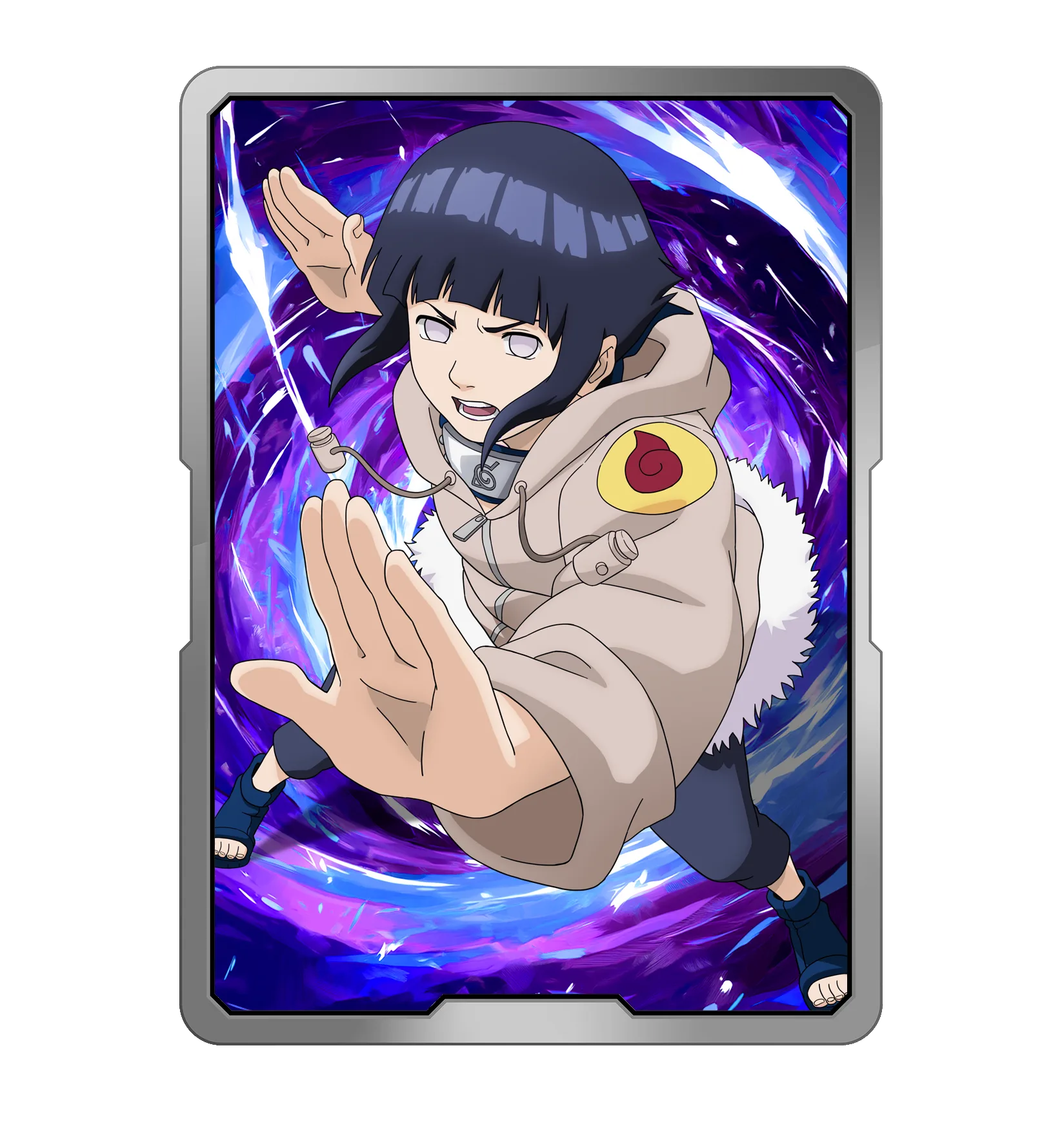
Hinata – Gentle Fist
Cost 1 / Chakra 2.
On encounter, she:
Push(2) rival cards with 3 or less Chakra.
Another cheap body that can interfere with weakened or low-Chakra opponents.
Sasuke – Lion's Barrage
Cost 2 / Chakra 2.
He jumps to the first rival that comes nearby and:
Weaken(3)
This gives the deck meaningful Chakra pressure instead of relying entirely on Push and Pin.
6. Naruto Can Generate His Own Chakra
Naruto – Challenger has another interesting resource effect.
On deployment, he applies Pin(2s) and gains:
Chakra(+2) per lane rival with higher Chakra.
That means Naruto can potentially enter with substantially more Chakra depending on the board state.
This makes him another card that fits the deck's general philosophy:
cheap deployment → status interaction → Chakra generation.
7. Sakura Gives You a Durable Guard Card
Sakura – Unyielding has Permanent Guard.
Whenever Guard activates:
Chakra(+1) + lane Switch
She's another 2-Chakra card that fits naturally into Iruka's engine, but unlike many of the cheaper pieces, she has her own repeatable method of gaining additional Chakra.
That makes her useful even after the initial combo has resolved.
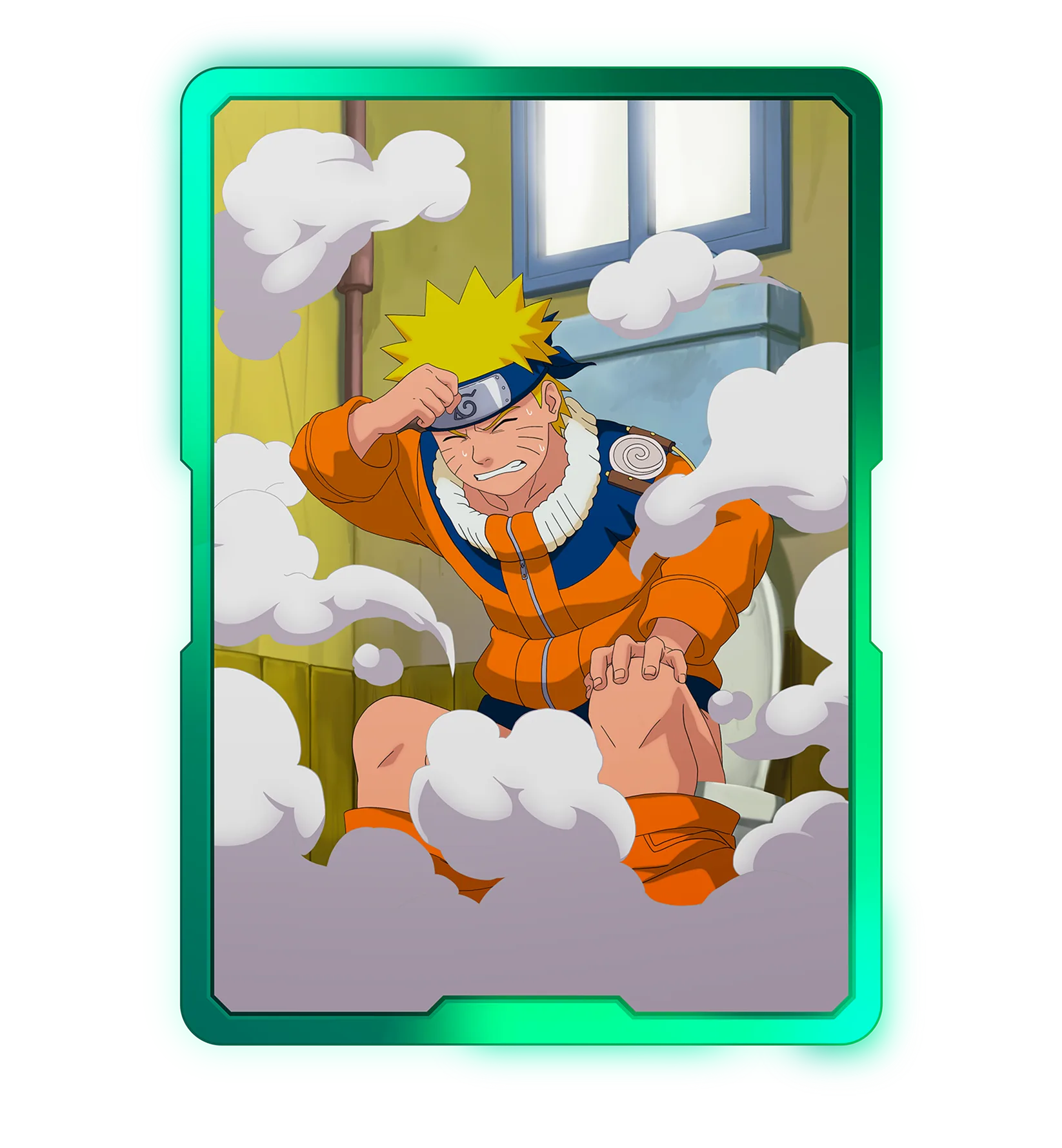
8. Transformation Jutsu Adds Flexibility
Naruto – Transformation Jutsu costs only 1 and starts at 2 Chakra.
On deployment, he disguises himself as another card costing up to 3 from your deck, reverting to his original form on encounter or when Weakened.
I would describe this as a flexibility/utility slot rather than claiming a specific copy interaction that the card text doesn't explicitly establish.
The important part for this deck is that he's another extremely cheap 2-Chakra deployment, meaning he naturally fits the Iruka-based structure.
Main Combo
🔥 Shikamaru + Iruka + 2-Chakra Allies
This appears to be the central engine.
Shikamaru active
↓
Iruka active
↓
Deploy a 2-Chakra ally
↓
Iruka gives it:
Chakra(+1) + Pin(2s)
↓
The allied Pin triggers Shikamaru:
Chakra(+3)
↓
Potential total: Chakra(+4)
That's the interaction I would put front and center in the guide.
Secondary Combo
🔥 Shikamaru + Izumo
Shikamaru active
↓
Deploy Izumo
↓
Izumo Pins three random lane allies for 2 seconds
↓
Shikamaru rewards those allied Pins with Chakra(+3)
If all three Pins successfully create Shikamaru triggers as the wording suggests, that's potentially a very large Chakra swing from one deployment.
I would still verify the exact in-game resolution during your gameplay before presenting a specific “+9 Chakra” number as confirmed behavior in the eventual video.
Focus Combo
🔥 Shikamaru + Ino
Ino gains Focus(8s) on deployment.
Shikamaru rewards an allied card when it Focuses with Chakra(+3).
Meanwhile, Ino temporarily takes control of the highest-Chakra lane rival in Mid Range.
So this interaction simultaneously provides:
Chakra generation + temporary enemy control.