All Naruto deck guides
NARUTO: Ninja Cards · Deck Guide

shared-dream-withdraw-deck-guide

Turn allied withdrawals into value with a deck built around Shared Dream and powerful withdraw effects. Nawaki, Dan and Naruto grow when another Shared Dream card withdraws, while the rest of the deck converts lost cards into Chakra, Weaken and additional board value.

Published September 7, 2026 · Updated September 7, 2026 · 10 / 10 cards
shared-dream-withdraw-deck-guide featured image

Decklist

Nawaki
Nawaki
S3 · #045 · Common · Chakra 2
Dan Kato
Dan Kato
S3 · #032 · Common · Chakra 4
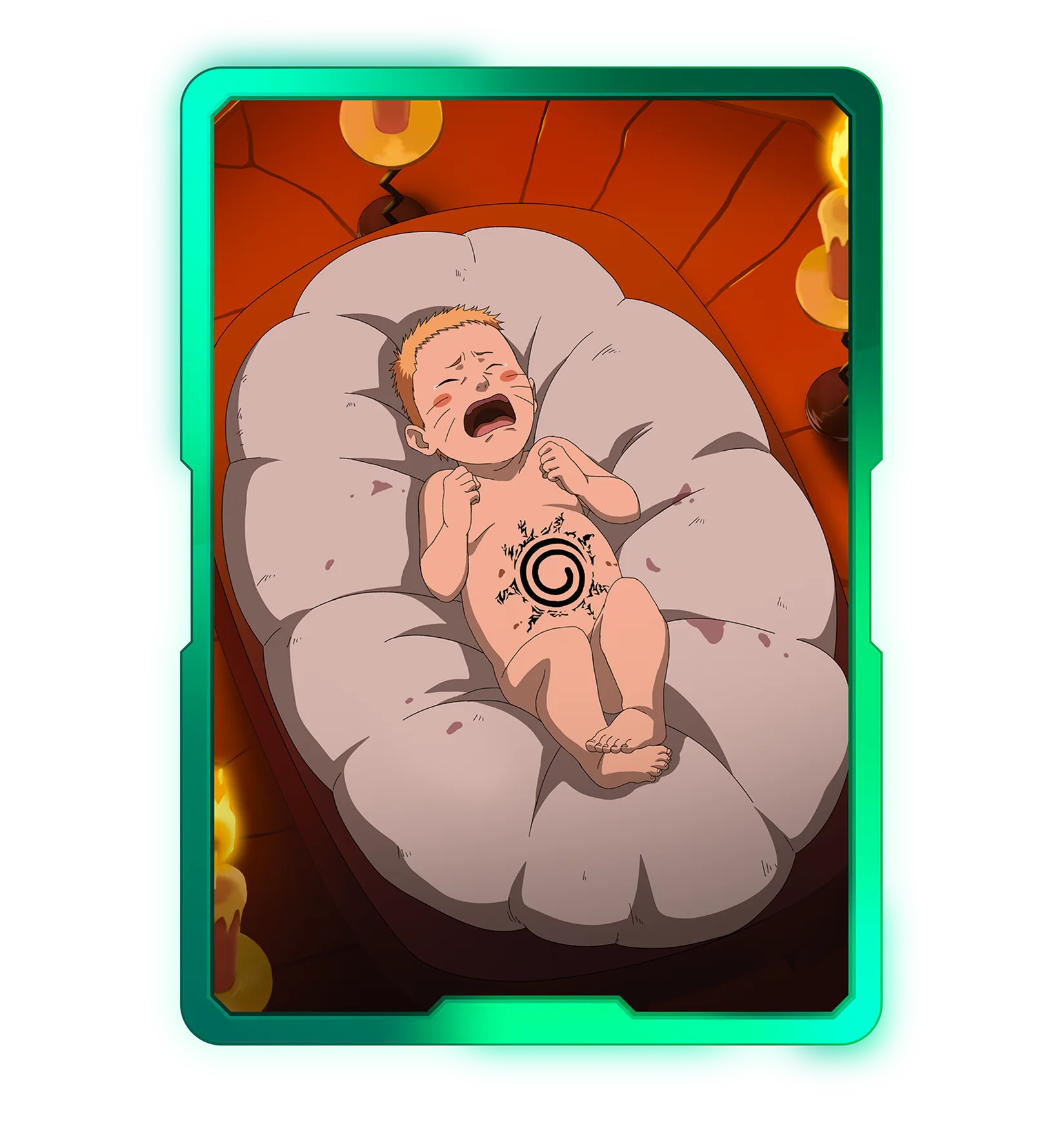
Naruto Uzumaki
Naruto Uzumaki
S3 · #001 · Common · Chakra 2
NARUTO UZUMAKI
NARUTO UZUMAKI
S1 · #042 · Rare · Chakra 1
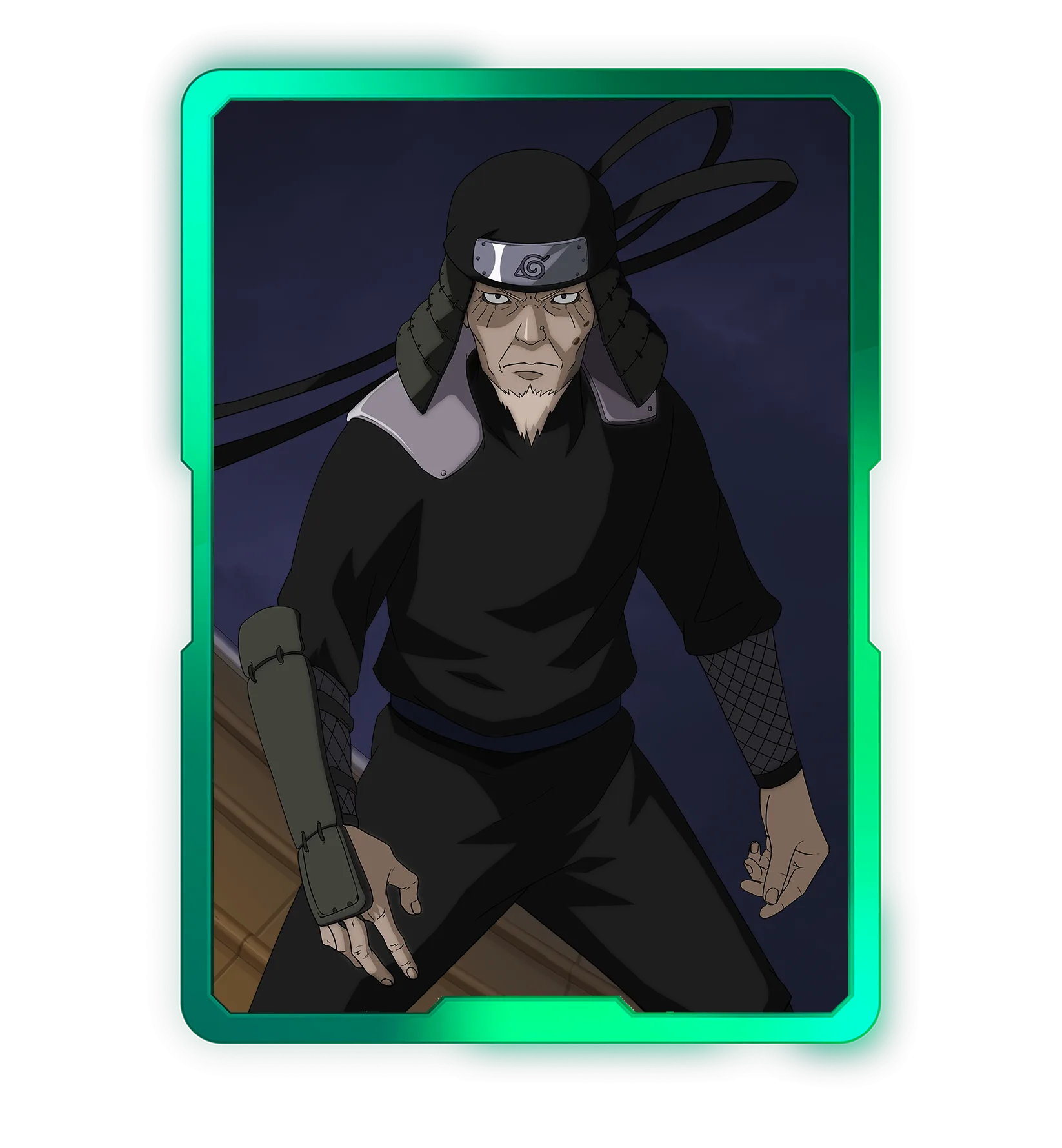
Hiruzen Sarutobi
Hiruzen Sarutobi
S2 · #070 · Rare · Chakra 6
KAIZA
KAIZA
S1 · #019 · Common · Chakra 2
MIZUKI TOJI
MIZUKI TOJI
S1 · #021 · Common · Chakra 2
NINJA TROOPS
NINJA TROOPS
S1 · #041 · Common · Chakra 4
Yashamaru
Yashamaru
S2 · #040 · Common · Chakra 3
ZABUZA MOMOCHI
ZABUZA MOMOCHI
S1 · #054 · Rare · Chakra 5
Chakra Chart
Cards per Chakra cost
10 cards
  • 1 Chakra
    1 card
  • 2 Chakra
    4 cards
  • 3 Chakra
    1 card
  • 4 Chakra
    2 cards
  • 5 Chakra
    1 card
  • 6 Chakra
    1 card
Build your own version
Open the NARUTO: Ninja Cards Deck Builder

Guide

The Shared Dream Withdraw deck is built around a simple idea: losing one of your cards doesn't always have to be a bad thing.

Nawaki, Dan Kato and Naruto Uzumaki all have the Shared Dream skill. Whenever another Shared Dream card withdraws, the remaining Shared Dream cards gain Chakra(+1).

This creates an unusual relationship between the three cards. Instead of needing every Shared Dream card to remain active, one of them withdrawing can strengthen the others.

With only three confirmed Shared Dream cards in the deck, however, the strategy doesn't rely exclusively on that mechanic. The rest of the list expands the idea into a broader Withdraw Value engine.

Hiruzen, Kaiza, Mizuki, Ninja Troops, Yashamaru, Naruto and Zabuza all give the deck different ways to generate value around cards withdrawing. Depending on the card, that value can mean additional Chakra for allies, Weaken pressure against rivals or strengthening another important card.

The result is a deck that tries to make every withdrawal hurt less — and in the right situation, actually turn losing a card into the next part of your game plan.

Strategy — how the deck works

1. Establish Multiple Shared Dream Cards

The three core cards are:

Nawaki – Shared Dream Dan Kato – Shared Dream Naruto Uzumaki – Shared Dream

Each has the same central mechanic:

Another Shared Dream card withdraws → Chakra(+1)

The word another is important.

A Shared Dream card does not reward itself for withdrawing. Instead, the Shared Dream cards that remain active can gain Chakra when another member leaves.

For example:

Nawaki + Dan + Naruto active

If Nawaki withdraws, the remaining Shared Dream cards can benefit from that withdrawal.

This means having multiple Shared Dream cards active is what creates the actual engine.

2. Don't Confuse Shared Dream With General Withdraw Triggers

This is probably the most important rule of the deck.

Shared Dream does NOT trigger whenever any allied card withdraws.

It specifically requires:

another Shared Dream card

So if Kaiza, Mizuki or another non-Shared-Dream card withdraws, you should not expect Nawaki, Dan or Naruto to gain Chakra from Shared Dream.

The rest of the deck is a separate general Withdraw Value package built around the same overall concept.

3. Hiruzen Creates a Huge Withdraw Payoff

Hiruzen Sarutobi – The Third is one of the most expensive cards in the deck, but he provides significant value.

On encounter:

Chakra(+2)

And when Hiruzen withdraws:

Chakra(+2) to all allies

That means Hiruzen can contribute while active and still leave behind a meaningful payoff when he eventually withdraws.

In a deck built to accept withdrawals rather than avoid them at all costs, that makes his exit considerably less painful.

4. Kaiza Supports His Lane

Kaiza – Martyr provides another Chakra payoff.

When Kaiza withdraws:

Chakra(+1) to lane allies

This makes his positioning important.

If Kaiza is going to leave the board, you ideally want his lane to contain allies that can actually benefit from the Chakra he leaves behind.

5. Mizuki Spreads the Value

Mizuki – Pushover has a broader withdrawal effect.

When he withdraws:

Chakra(+1) to three random allies

Unlike Kaiza, this isn't focused exclusively on his lane.

That makes Mizuki another way for a card leaving the board to continue contributing to your remaining setup.

6. Ninja Troops Rewards Your Latest Deployment

Ninja Troops – Vanguard starts with:

Rush(2s)

When Vanguard withdraws:

Chakra(+3) to your most recently deployed ally

This creates a more deliberate withdrawal payoff.

If you know Vanguard may be close to withdrawing, the identity of your most recently deployed ally becomes important. With good sequencing, the Chakra(+3) can land on a card you actually want to develop.

7. Yashamaru Turns His Exit Into Weaken

Yashamaru – Reluctant Duty gives the deck an offensive withdrawal payoff.

When Yashamaru withdraws:

Weaken(3) all nearby cards

The wording is important: all nearby cards, not just rival cards.

So positioning matters. The effect can potentially hurt your own nearby cards as well as the opponent's.

8. Naruto Leaves Damage Behind

Naruto Uzumaki – Defenseless is a cheap 2/1 card with a simple withdrawal payoff:

Withdraw → Weaken(3) rival

That gives the deck another card where withdrawal itself can still contribute offensive value.

Rather than treating Naruto as a card that needs to survive indefinitely, his exit can be part of what you want from him.

9. Zabuza Rewards the First Lane Withdrawal

Zabuza Momochi – Broken provides a different type of trigger.

When the first lane ally withdraws, Zabuza gains:

Chakra(+3)

This means Zabuza doesn't necessarily need to be the card withdrawing.

Instead, he can stay active and benefit when another ally on his lane leaves.

This fits the overall philosophy of the deck especially well: one card disappears, another becomes stronger.

Key Combos Three Shared Dreams

Nawaki + Dan + Naruto

→ one Shared Dream withdraws → the other Shared Dream cards gain Chakra(+1)

This is the signature engine.

Withdrawal → Zabuza

Zabuza – Broken active on lane → first lane ally withdraws → Zabuza gains Chakra(+3)

One ally leaving can immediately create a stronger remaining threat.

Kaiza → Remaining Lane

Kaiza withdraws → lane allies gain Chakra(+1)

This works particularly well when the cards remaining behind are more important than Kaiza himself.

Vanguard → Important Ally

Deploy your intended payoff card → Vanguard later withdraws → most recently deployed ally gains Chakra(+3)

Deployment order matters significantly here.

Hiruzen → Entire Board

Hiruzen withdraws → Chakra(+2) to all allies

This is one of the broadest withdrawal payoffs in the deck.

Yashamaru → Board Damage

Yashamaru withdraws → Weaken(3) all nearby cards

Potentially powerful, but positioning decides whether this is beneficial or dangerous.

Strengths

  • Multiple cards generate value when they withdraw
  • Shared Dream can turn one withdrawal into Chakra for the remaining Shared Dream cards
  • Several different Chakra payoffs
  • Hiruzen can support the entire allied board on withdrawal
  • Zabuza rewards another ally leaving his lane
  • Vanguard can give a major Chakra boost to a selected recent deployment
  • Kaiza and Mizuki spread Chakra after leaving the board
  • Naruto and Yashamaru convert withdrawals into Weaken pressure
  • The deck can continue generating value even as cards leave play
  • Unusual playstyle that rewards careful sequencing

Weaknesses

  • Only three cards currently use the Shared Dream engine
  • Shared Dream only triggers from another Shared Dream card withdrawing
  • General allied withdrawals do not trigger Shared Dream
  • Several effects depend on cards actually withdrawing
  • Some withdrawal payoffs require careful positioning
  • Vanguard depends heavily on deployment order
  • Yashamaru can also Weaken allied nearby cards
  • Zabuza only rewards the first relevant lane ally withdrawal
  • Hiruzen is an expensive card
  • The deck combines several different withdrawal effects rather than one guaranteed combo

Matchup & gameplay notes

Don't sacrifice the Shared Dream cards mentally too early. You need multiple Shared Dream cards active for their withdrawal mechanic to generate meaningful value.

Track which Shared Dream card you want to keep. If you have two or three established, one withdrawing can strengthen the others.

Remember that Shared Dream and the general Withdraw package are separate engines. A Kaiza withdrawal can activate Kaiza's own effect and potentially interact with other appropriate withdrawal triggers, but it does not automatically activate Shared Dream.

Watch Zabuza's lane carefully. You want the first relevant ally withdrawal to happen while Zabuza can benefit from Chakra(+3).

Think before deploying another card around Vanguard. The most recently deployed ally determines where Vanguard's Chakra(+3) goes when Vanguard withdraws.

Position Kaiza around cards that benefit from his Chakra. His withdrawal payoff is lane-based.

Be careful with Yashamaru. Weaken(3) to all nearby cards can create huge value, but it isn't automatically one-sided.

Don't be afraid of losing Hiruzen if the board is ready for the payoff. His withdrawal can give Chakra(+2) across your allied board.

The goal isn't to lose cards as quickly as possible. The goal is to make sure that when a card does withdraw, the rest of your board gets something meaningful from it.