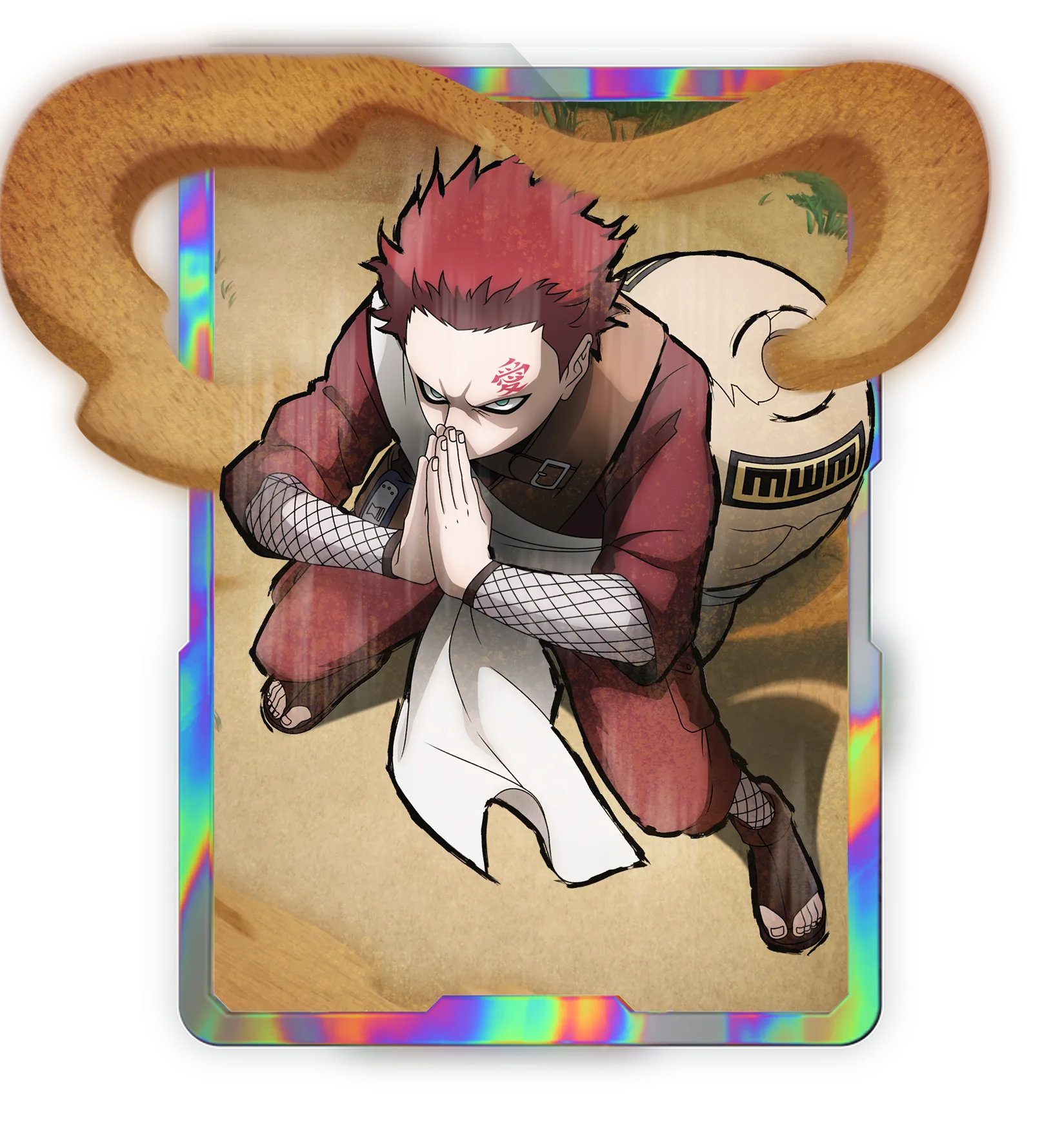
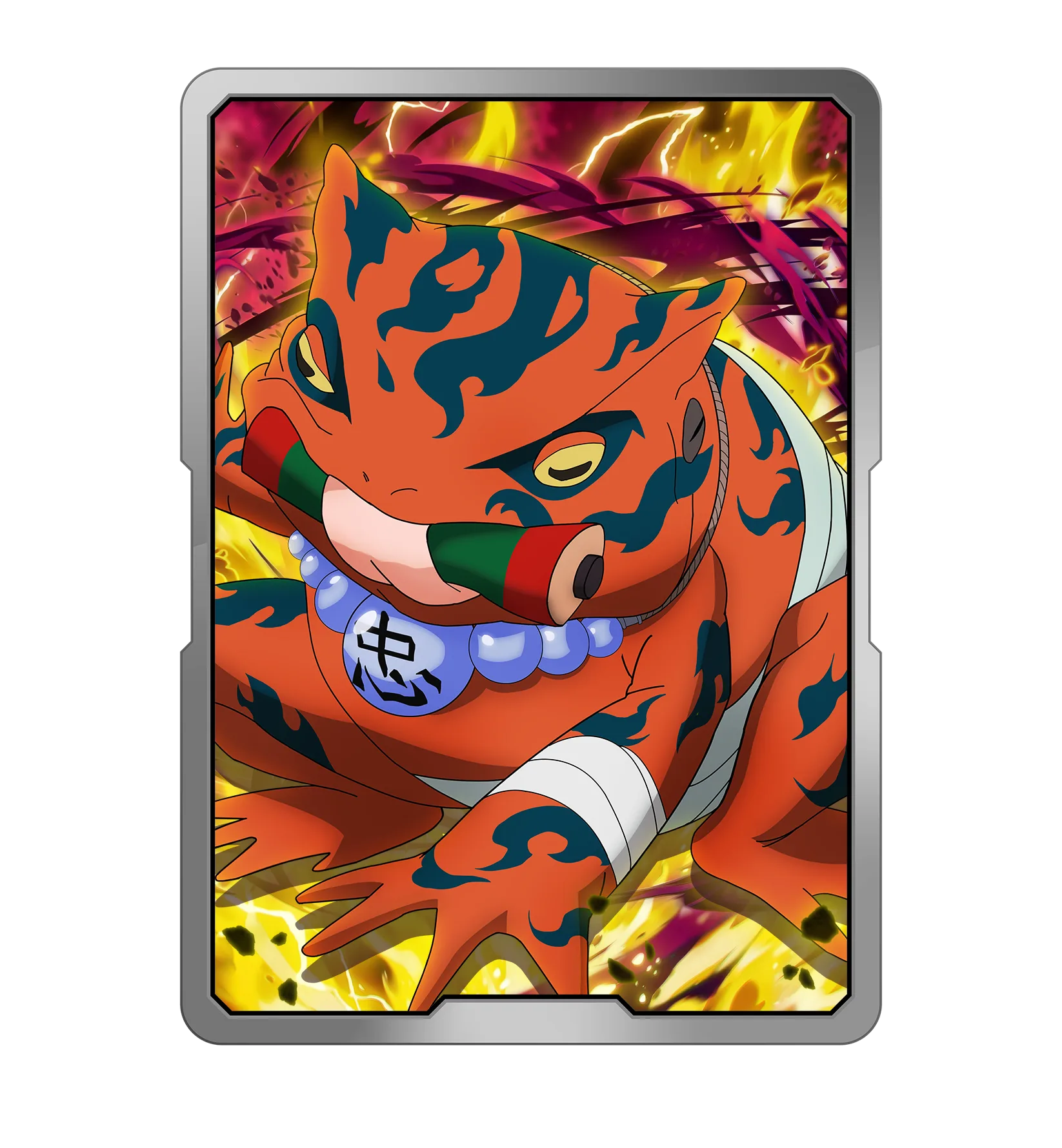
Gaara – Sand Tsunami
Gaara is one of the most important cards in the deck.
On deploy, he enters Focus for 6 seconds. Every 2 seconds during that Focus, he applies:
Weaken(1) + Push(1) to all rival cards.
Rivals with 2 or less Chakra receive Weaken(2) instead.
That means Gaara can repeatedly interfere with the opponent's entire board during a single Focus window.
There is another payoff:
When Gaara causes another card to withdraw, he applies Seal(5s) to it.
Gaara therefore becomes especially dangerous after the opponent's cards have already lost Chakra.
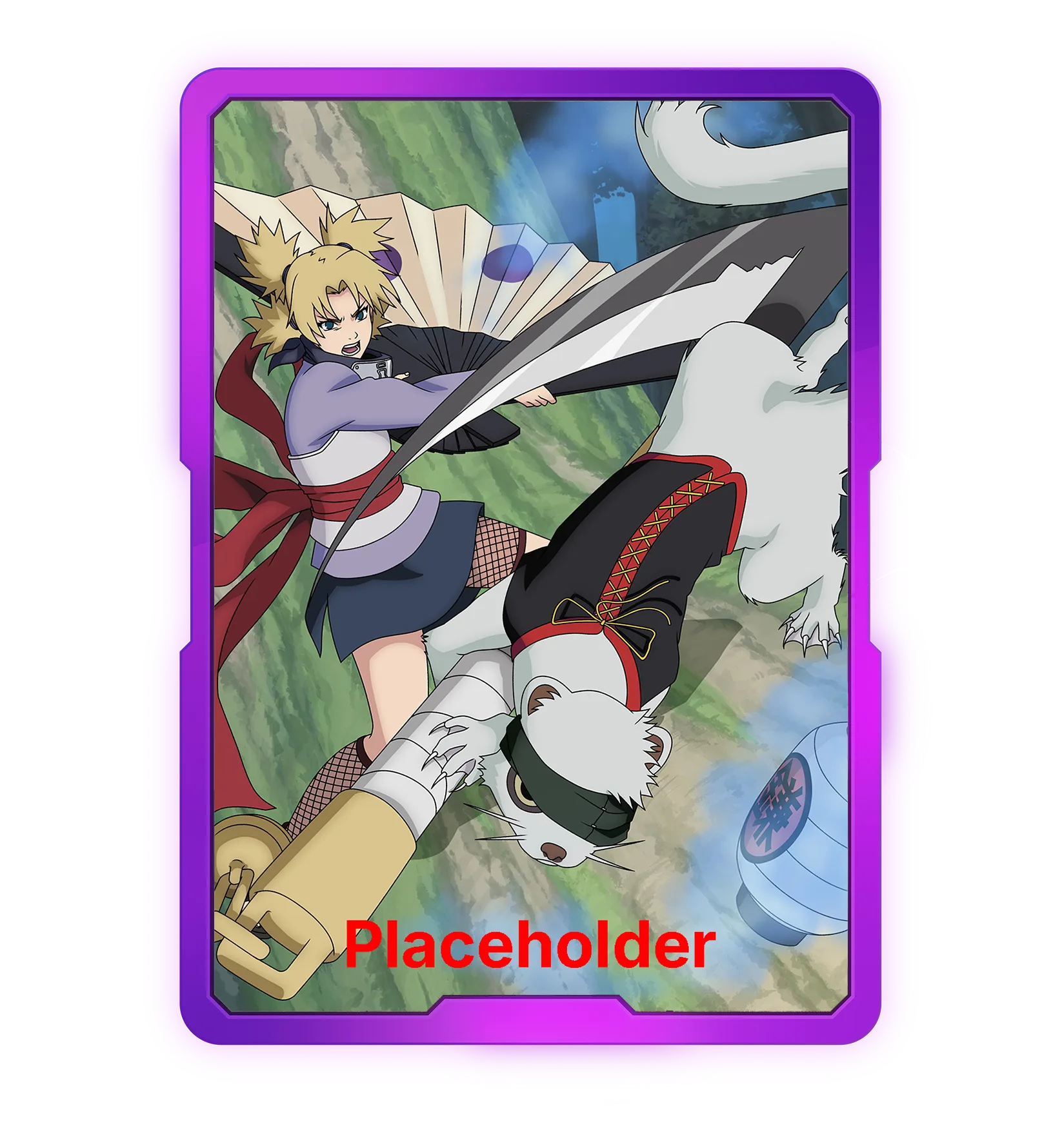
Temari – Quick Beheading Dance
Temari provides another powerful multi-target disruption effect.
On deploy:
Focus(9s)
Then every 3 seconds during Focus:
Weaken(1) + Push(2) all rivals in Mid and Long Range.
This gives the deck another way to repeatedly move rival cards backward while simultaneously reducing their Chakra.
Gaara and Temari together are the central control package: rather than attacking only one target, they can disrupt several rival cards repeatedly.
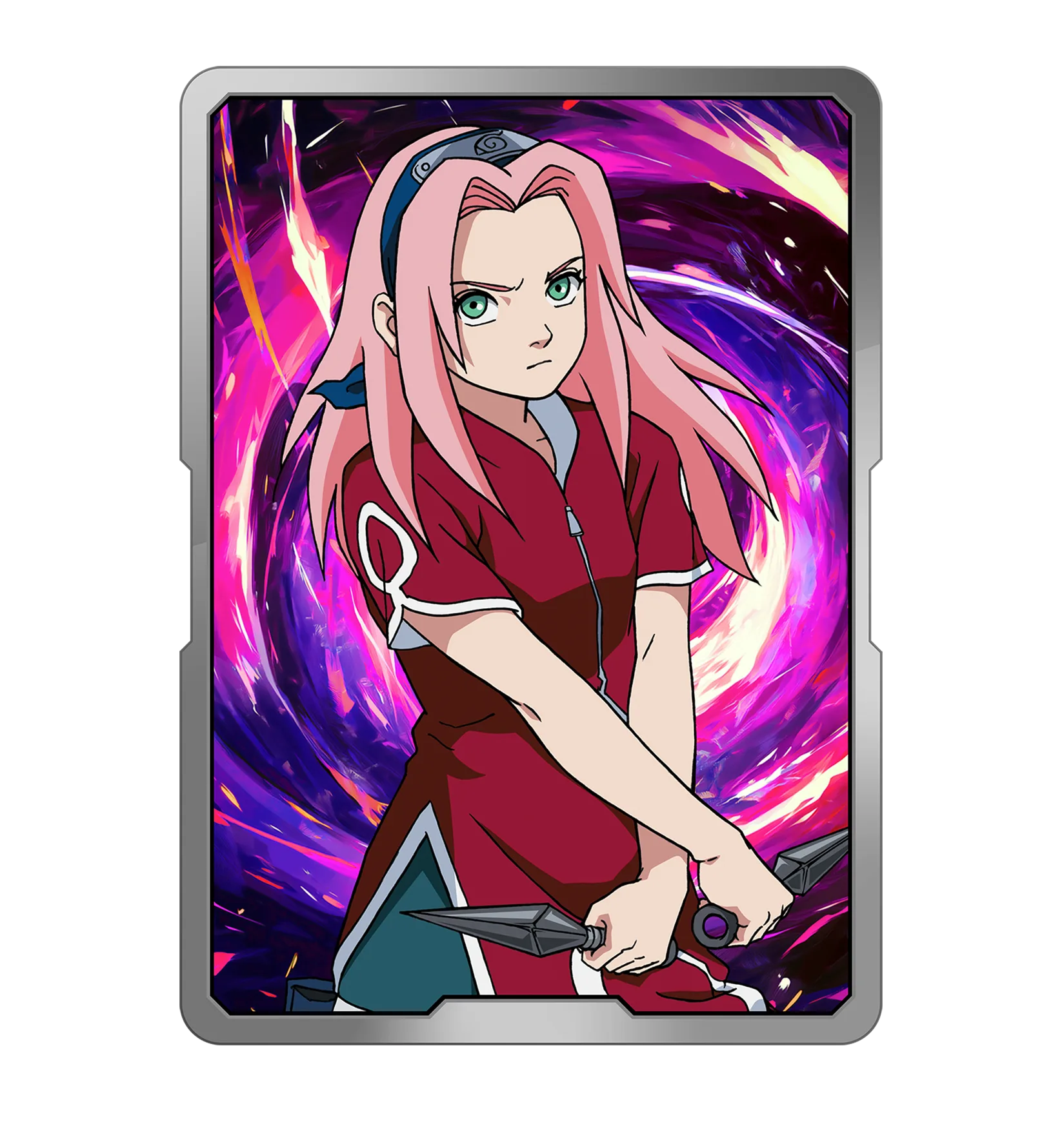
Sakura – Kunai Throw
Sakura is one of the deck's simple but valuable early-game tools.
On deploy:
Weaken(3) a random rival in Long Range.
For only 3 Power, this can put immediate pressure on an opposing card before the larger control pieces are ready.
She is especially valuable when the random target hits something the opponent was trying to build around.
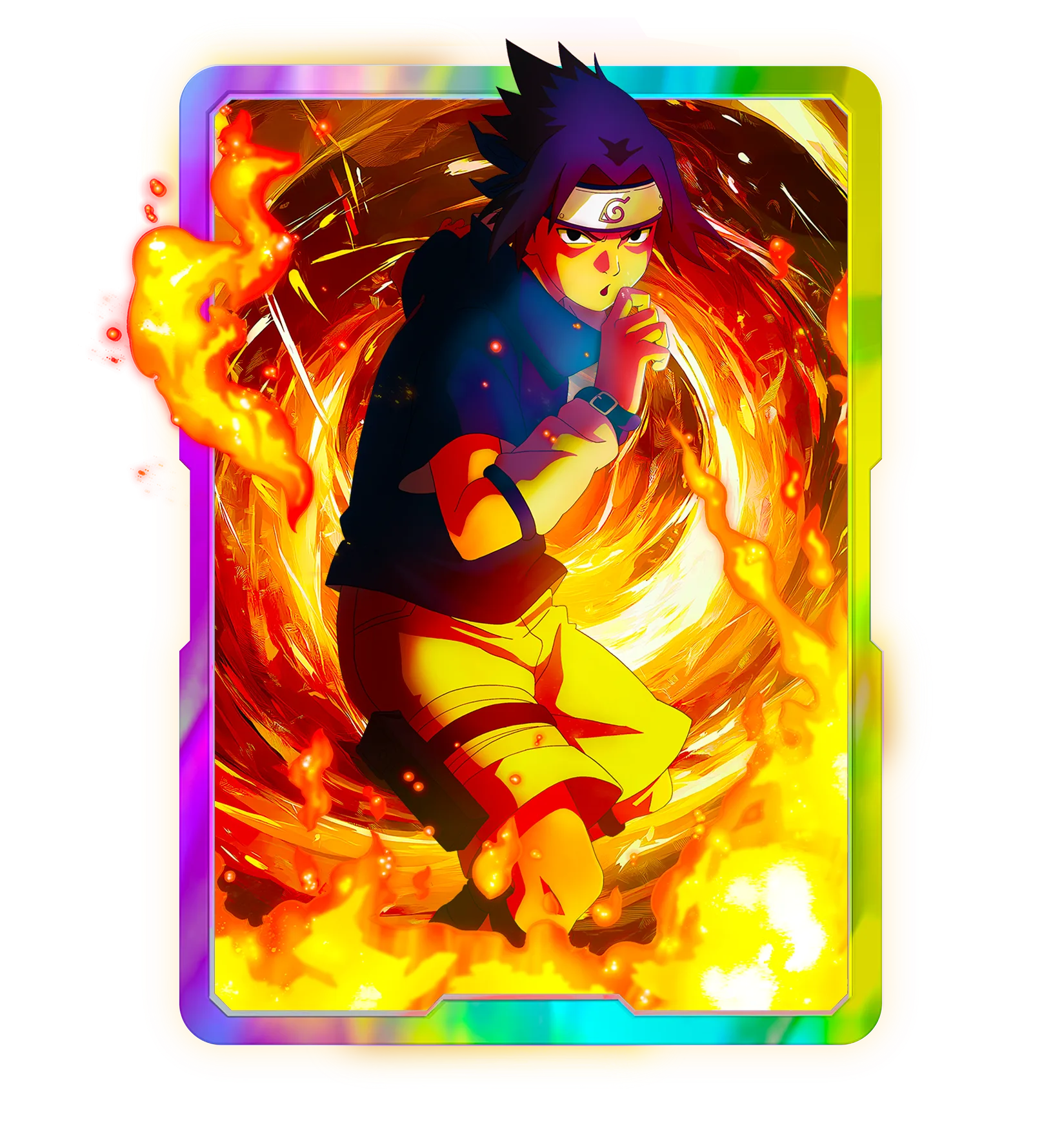
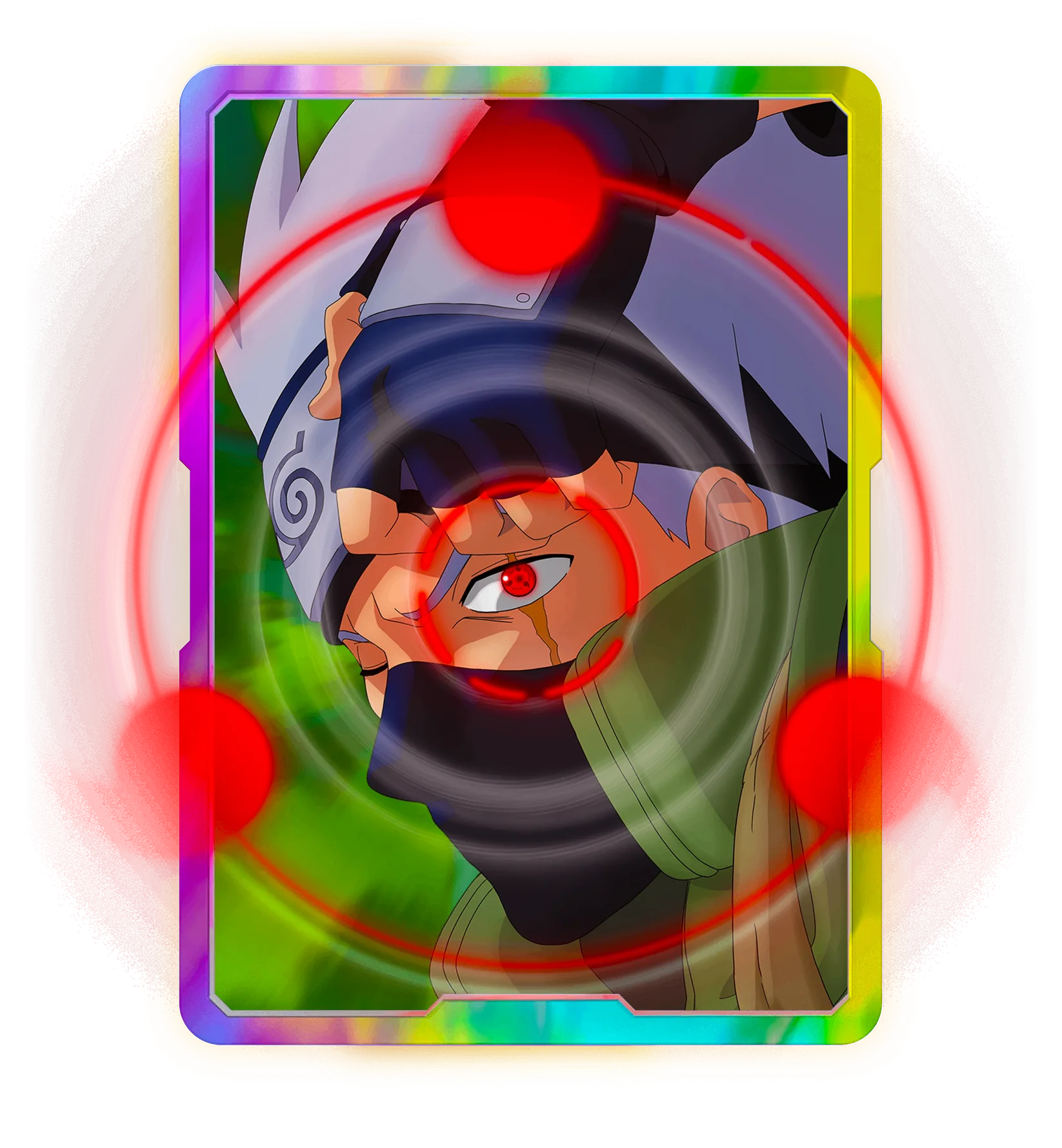
Sasuke – Fireball Jutsu
Another efficient deployment effect:
Weaken(2) all rivals in Mid Range.
This fits perfectly with the deck's overall plan. You are not trying to build one isolated combo — you continually reduce opposing Chakra so that subsequent disruption becomes increasingly dangerous.
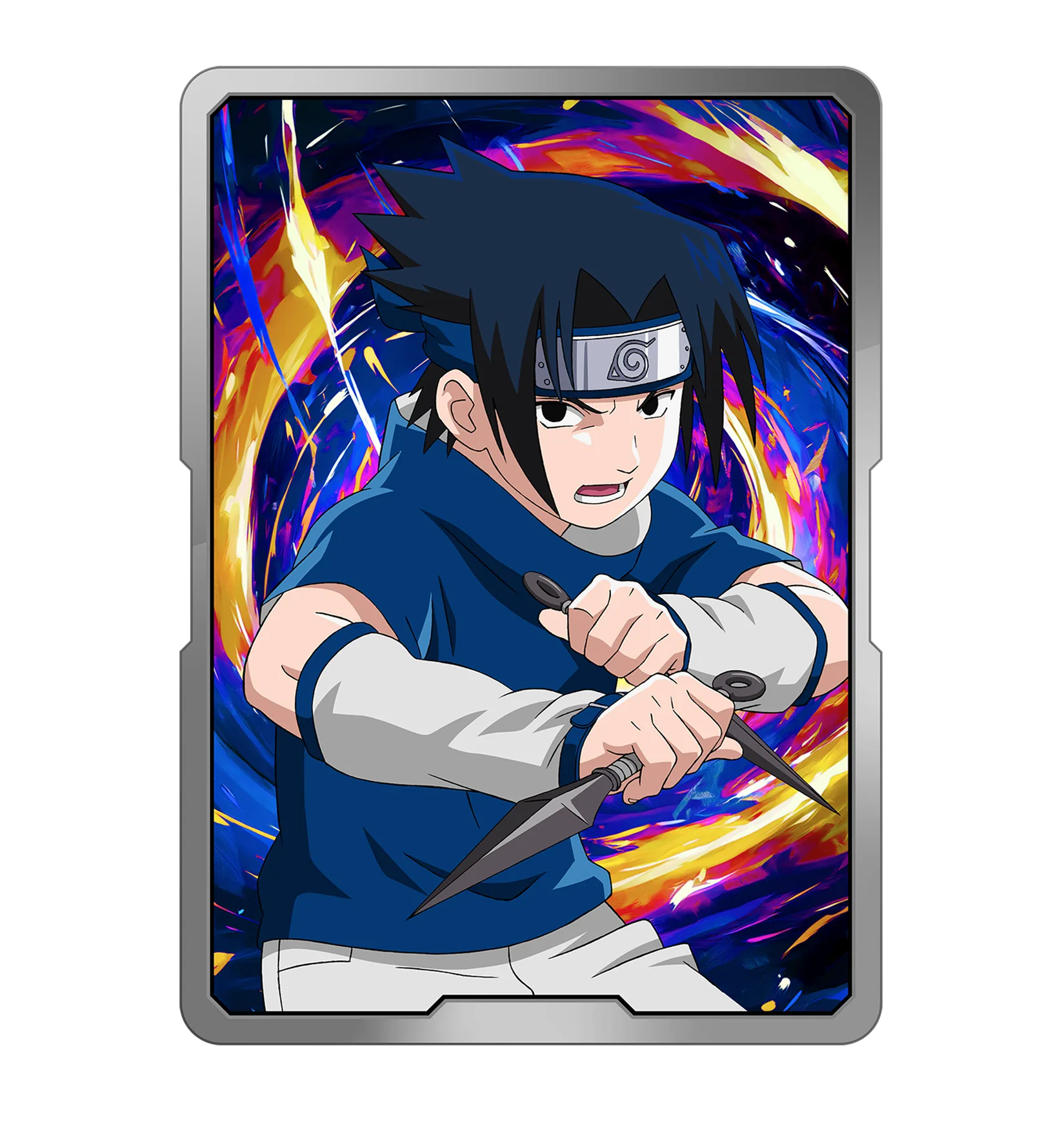
Sasuke – Kunai Mastery
Kunai Mastery provides cheap encounter pressure:
On encounter, Weaken(3) the rival card.
At only 2 Power, this gives the deck another inexpensive way to threaten substantial Chakra loss.
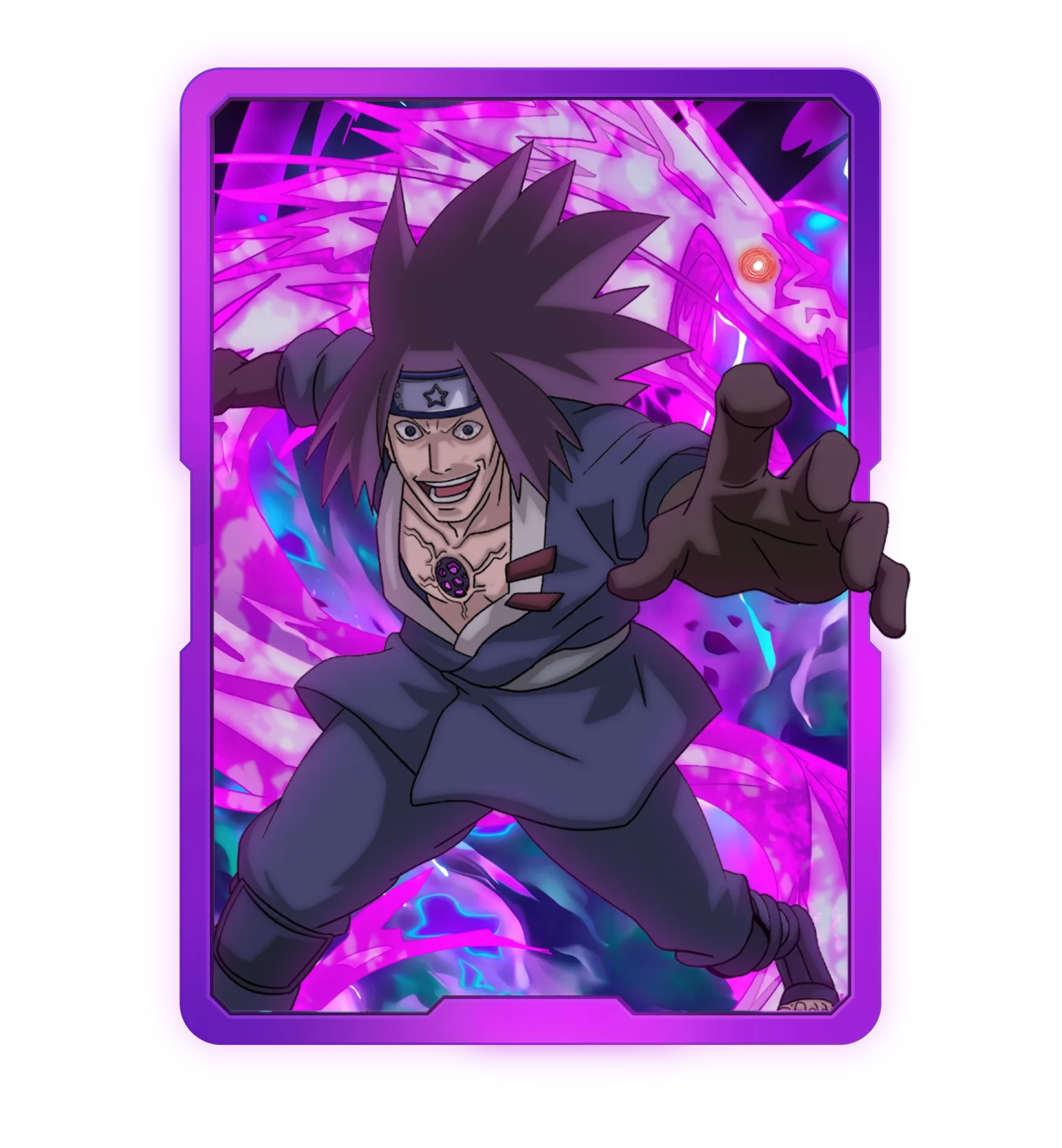
Akahoshi – Star Dragon
Akahoshi combines three forms of disruption immediately:
Push(2)
Weaken(1)
Pin(4s)
to all lane rivals on deploy.
That combination can interrupt an entire lane while also helping move opposing cards into worse positions.
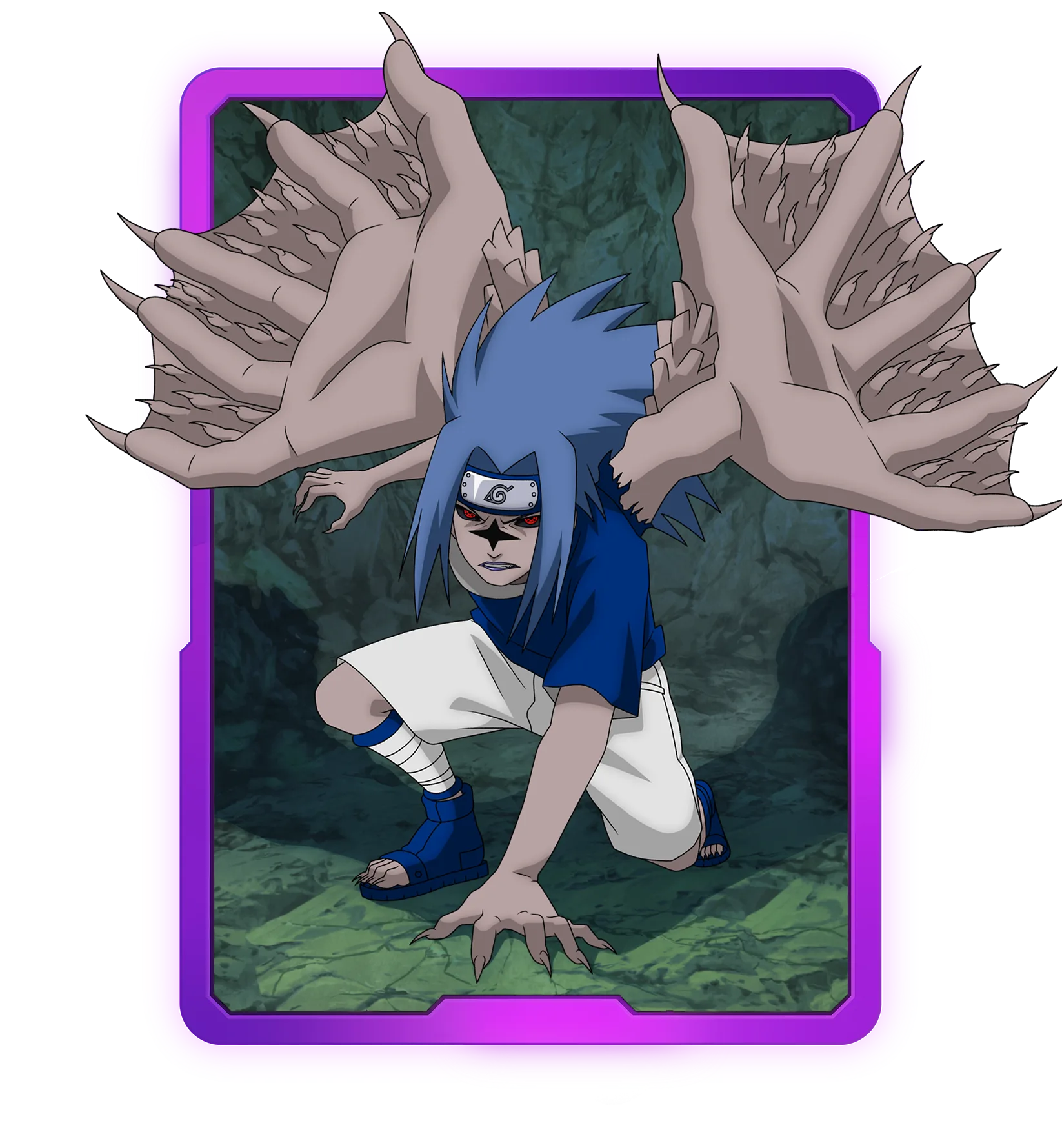
Sasuke – Winged Defense
Winged Defense adds a defensive angle that the rest of the deck does not have.
He starts with:
Guard(2)
On encounter:
Weaken(2)
When Guard activates, Sasuke gains:
Rush(2s)
and re-enables his skill.
This makes him a useful card for contesting encounters rather than relying entirely on deployment-based disruption.
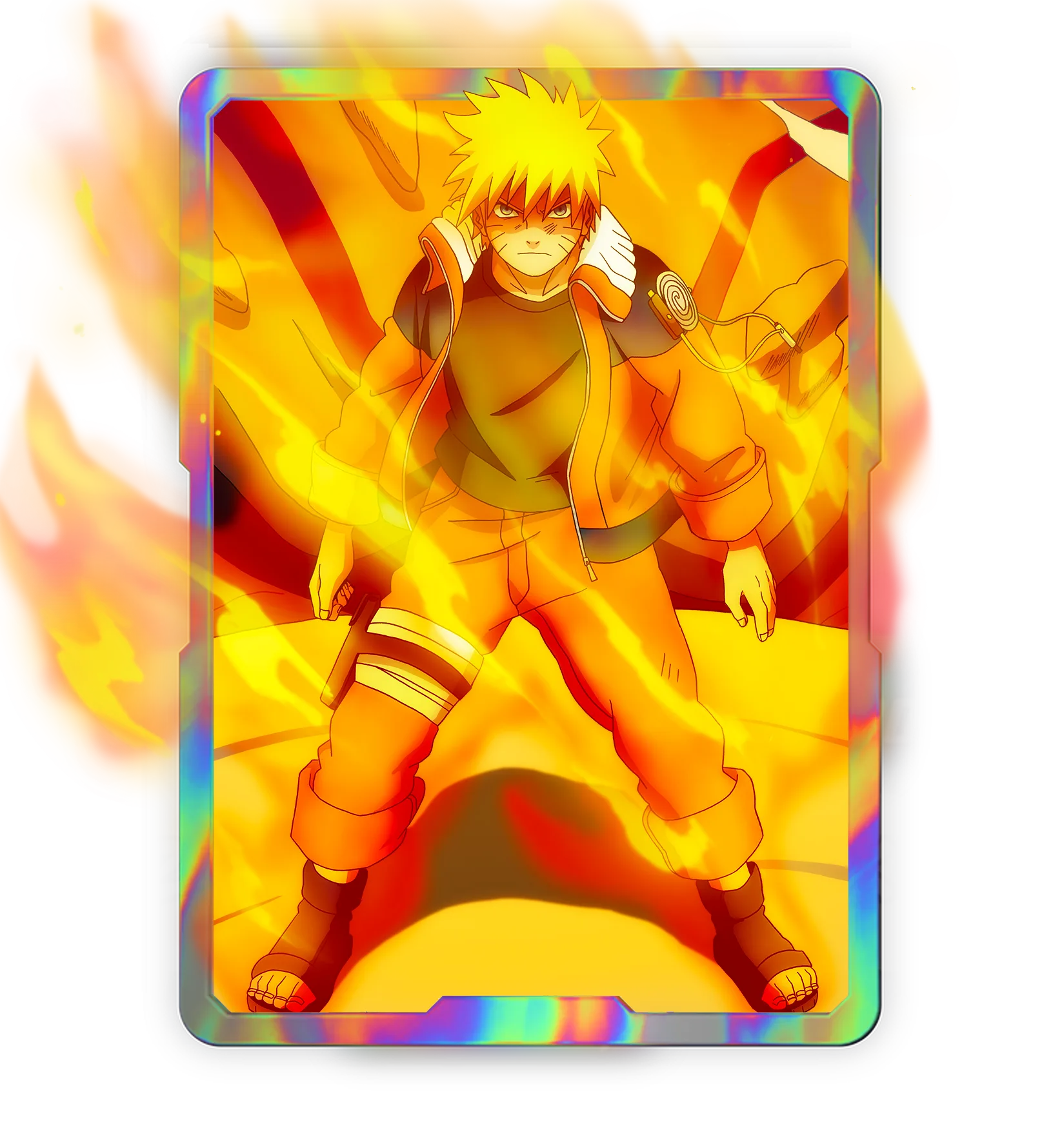
Naruto – Will to Protect
Naruto provides another resilient threat.
The first time he falls below his base Chakra, he gains:
Chakra(+4) + Rush(3s).
When Naruto withdraws, his base Chakra permanently increases by 2.
He gives the deck a card that can recover after being weakened instead of simply becoming easier to remove.
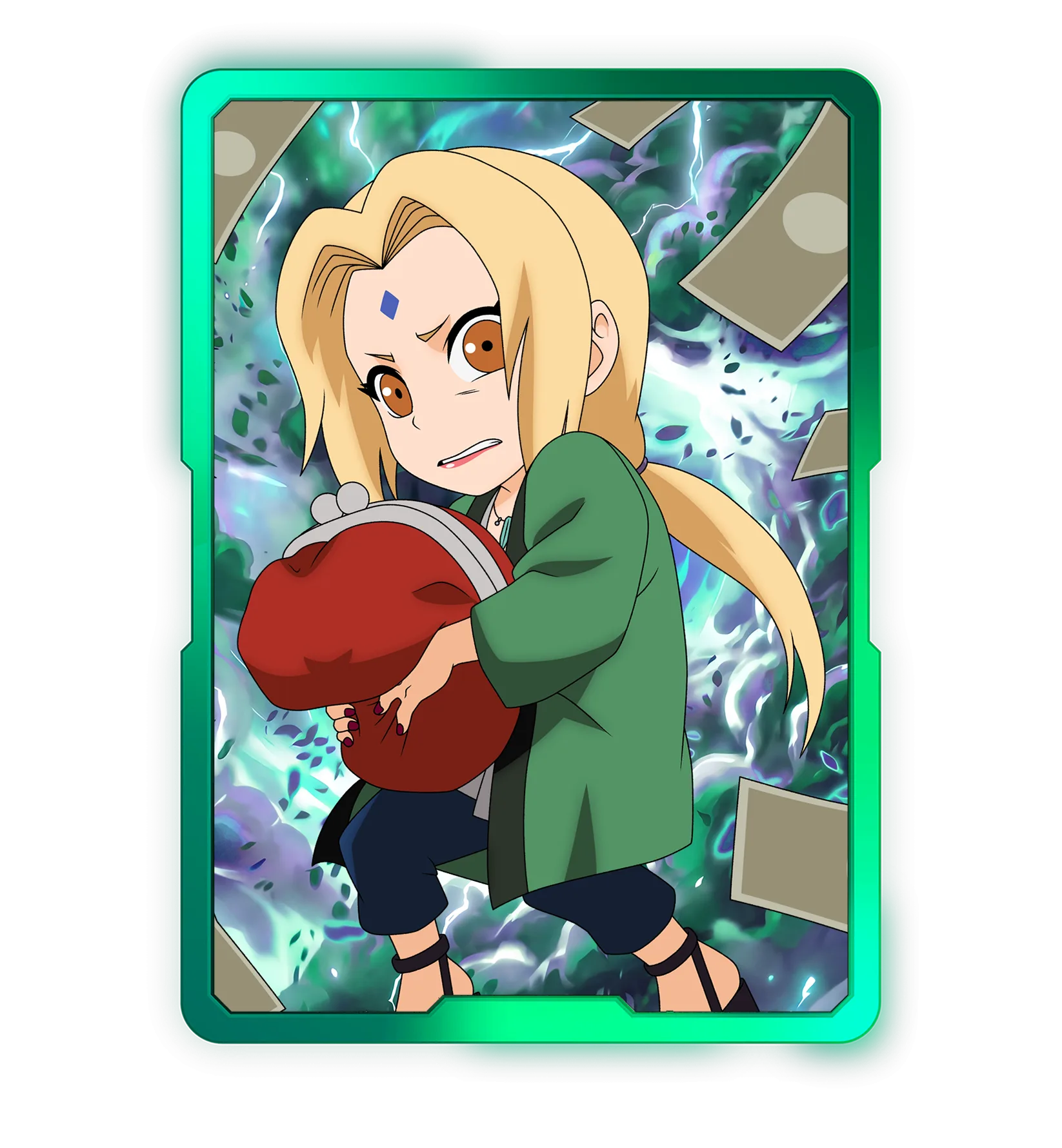
Tsunade – Legendary Sitting Duck
Tsunade introduces some variance:
On deploy, she has a 10% chance to gain Chakra(+7).
Otherwise:
Rush(4s).
The huge Chakra outcome is obviously the high roll, but even without it she receives immediate Rush and can begin applying pressure.
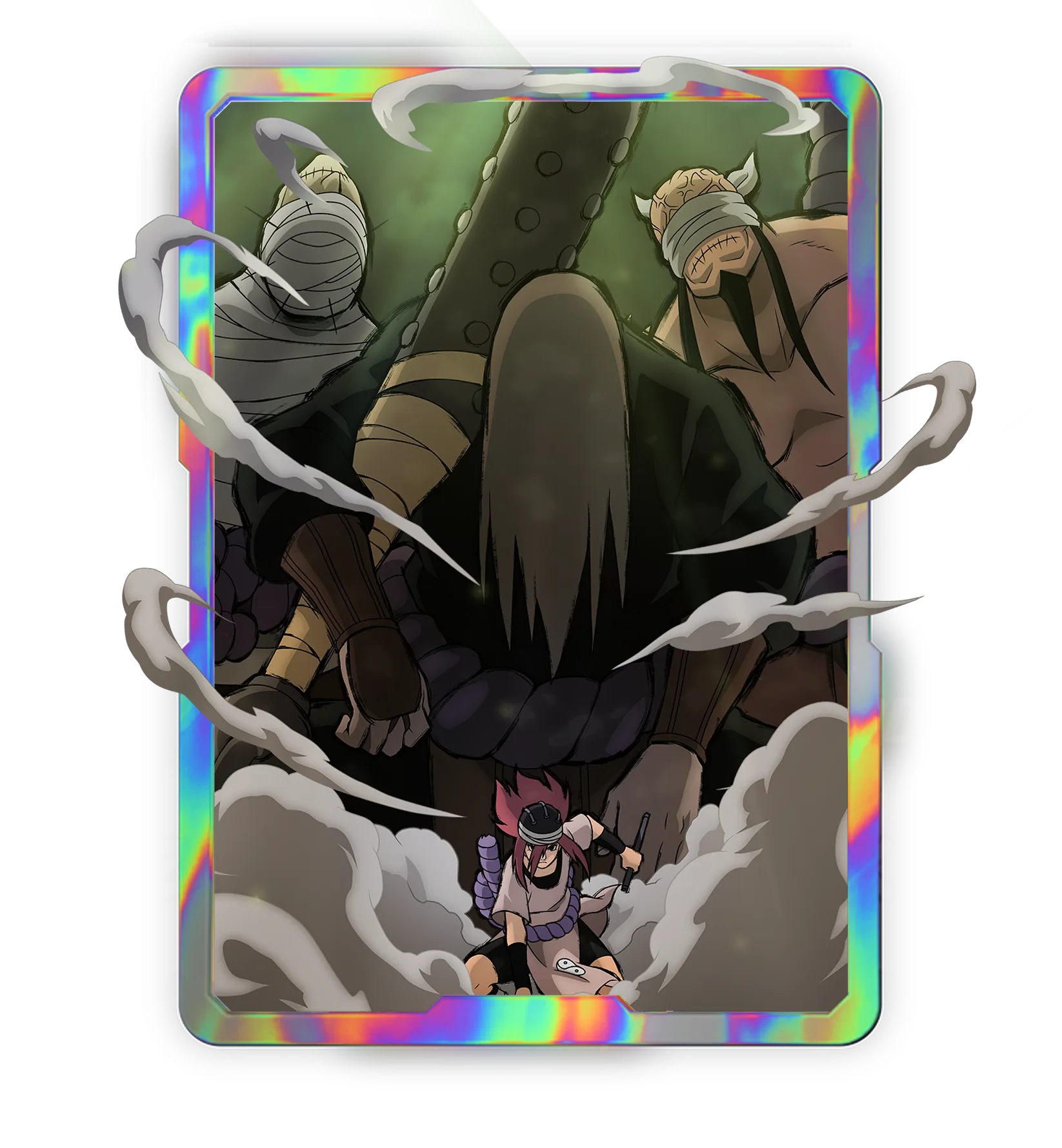
Tayuya – Doki Summoning
Tayuya is the deck's alternative setup/payoff card.
On deploy:
Focus(8s).
If the Focus succeeds, she summons a Doki demon on each lane.
She also grants Chakra(+1) whenever you summon other cards, and while the demons are active, the skill states that rival skills and encounters are ignored.
Unlike Gaara and Temari, Tayuya therefore gives the deck a different form of board presence rather than another straightforward Weaken effect.
Core Game Plan
The deck generally wants to create pressure in layers.
Early game: Use efficient cards such as Sakura, Fireball Jutsu and Kunai Mastery to start reducing opposing Chakra.
Mid game: Akahoshi and your defensive Sasuke continue disrupting lanes while you prepare the more expensive control pieces.
Control phase: Gaara and Temari become your biggest board-control threats. Their repeated Weaken + Push effects can make an already damaged opposing board extremely difficult to stabilize.
The important point is that the individual effects compound.
A Weaken(1) may not look devastating by itself. But after Fireball Jutsu, Sakura, Kunai Mastery and other effects have already reduced Chakra, another round of board-wide Weaken can become much more threatening.