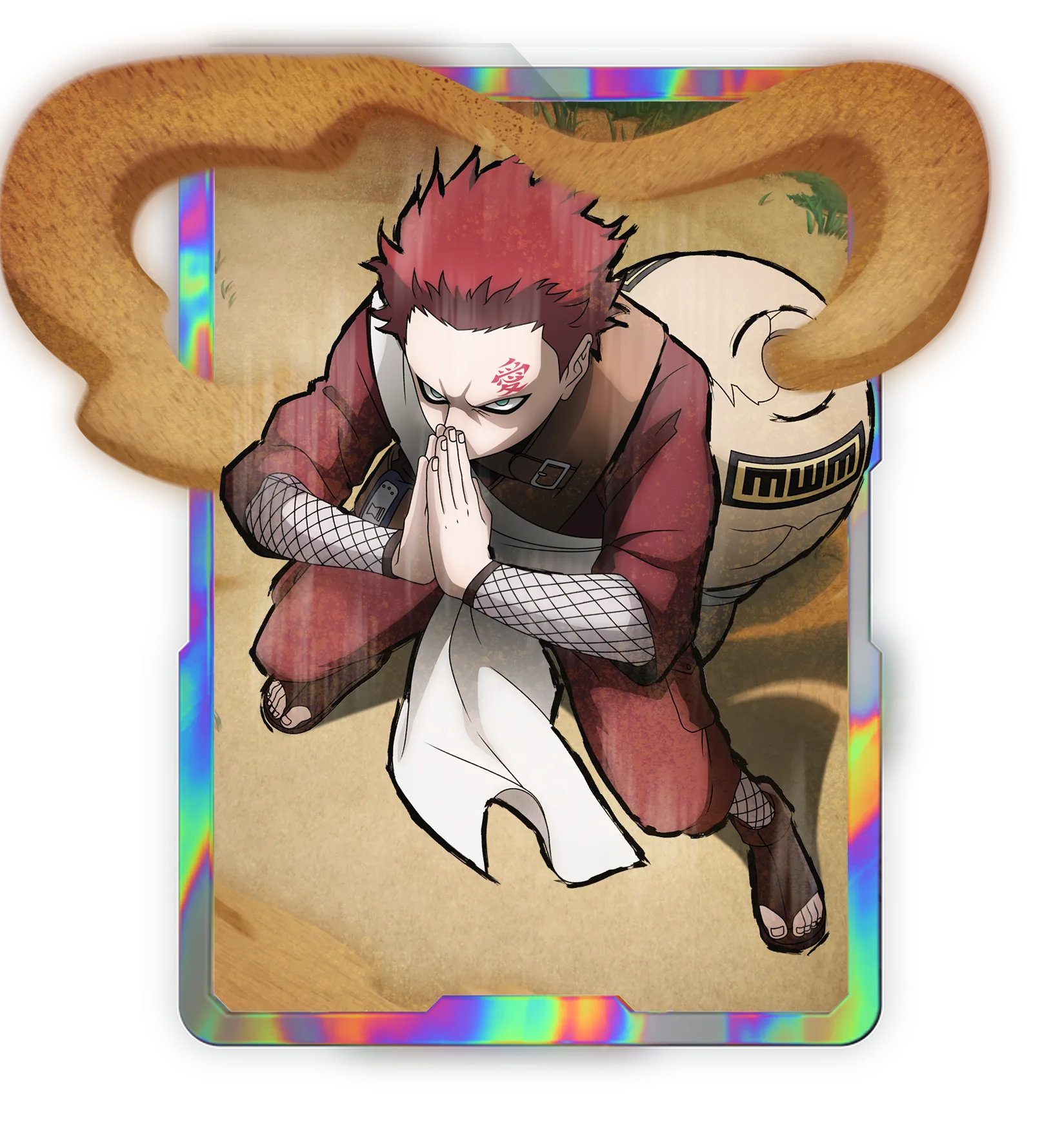
⭐ Key Card #1 – Gaara: Sand Tsunami
Cost: 6
Base Chakra: 3
Sand Tsunami
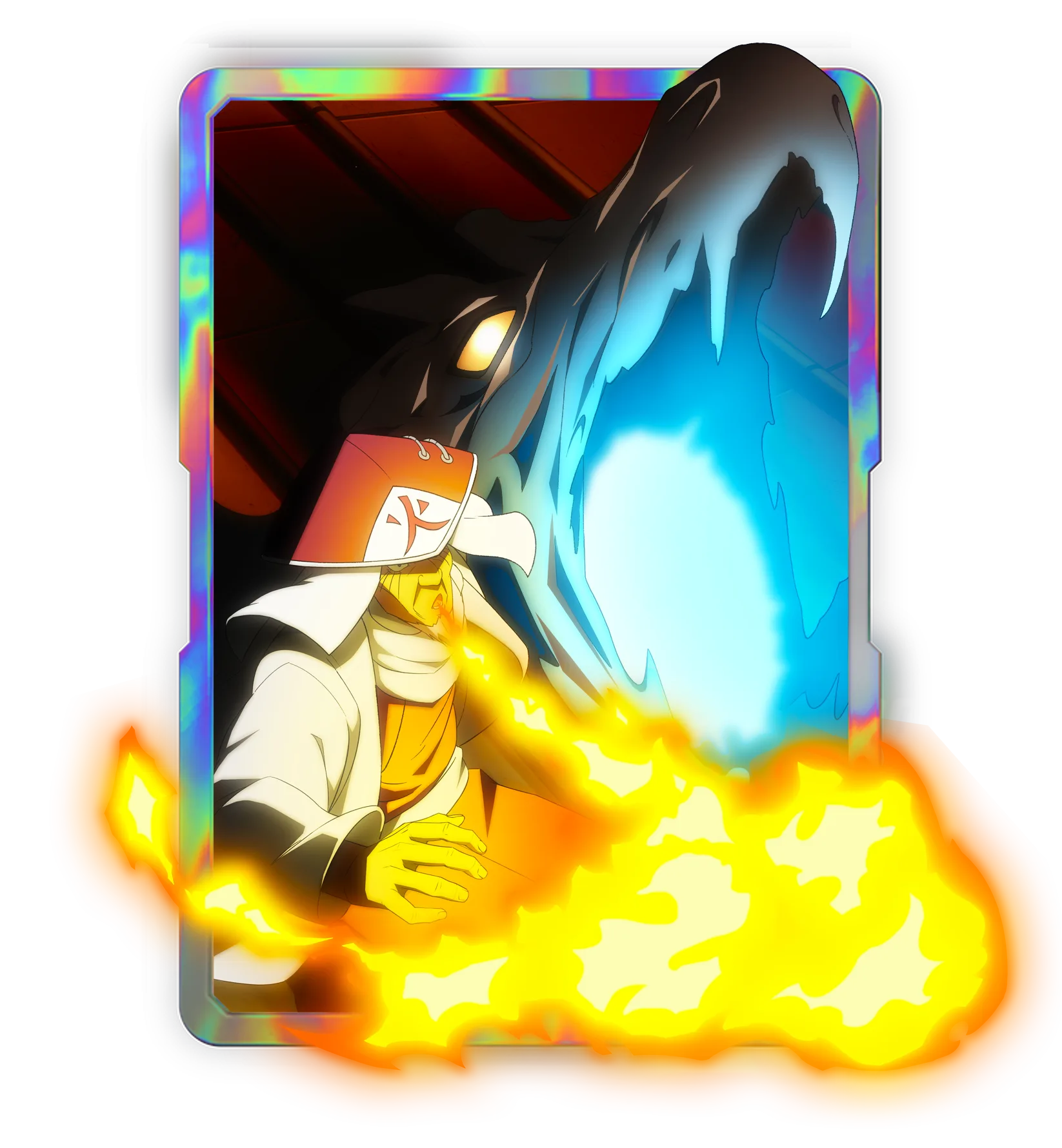
On deploy, Gaara begins Focus. During Focus, he repeatedly applies Weaken and Push to all rival cards, with stronger Weaken against low-Chakra targets.
Most importantly:
When Gaara causes another card to withdraw, he applies Seal(5s).
This is the defining mechanic of the Nibi version of the deck.
Rather than relying purely on damage and hoping your board survives Nibi's Burn, Gaara gives the deck a way to potentially interrupt the boss through Seal.
Why Gaara matters against Nibi
Nibi's defining threat is his skill.
Therefore, preventing or interrupting that skill is potentially much more valuable than simply trying to heal through its effects.
Gaara also brings repeated Push/Weaken pressure while focusing, making him useful beyond the Seal itself.
Important
The exact interaction between Seal and Nibi's boss mechanics should be verified in gameplay. The card text confirms Gaara applies Seal when he causes a withdrawal, but the database alone does not establish every special Clan Boss interaction.
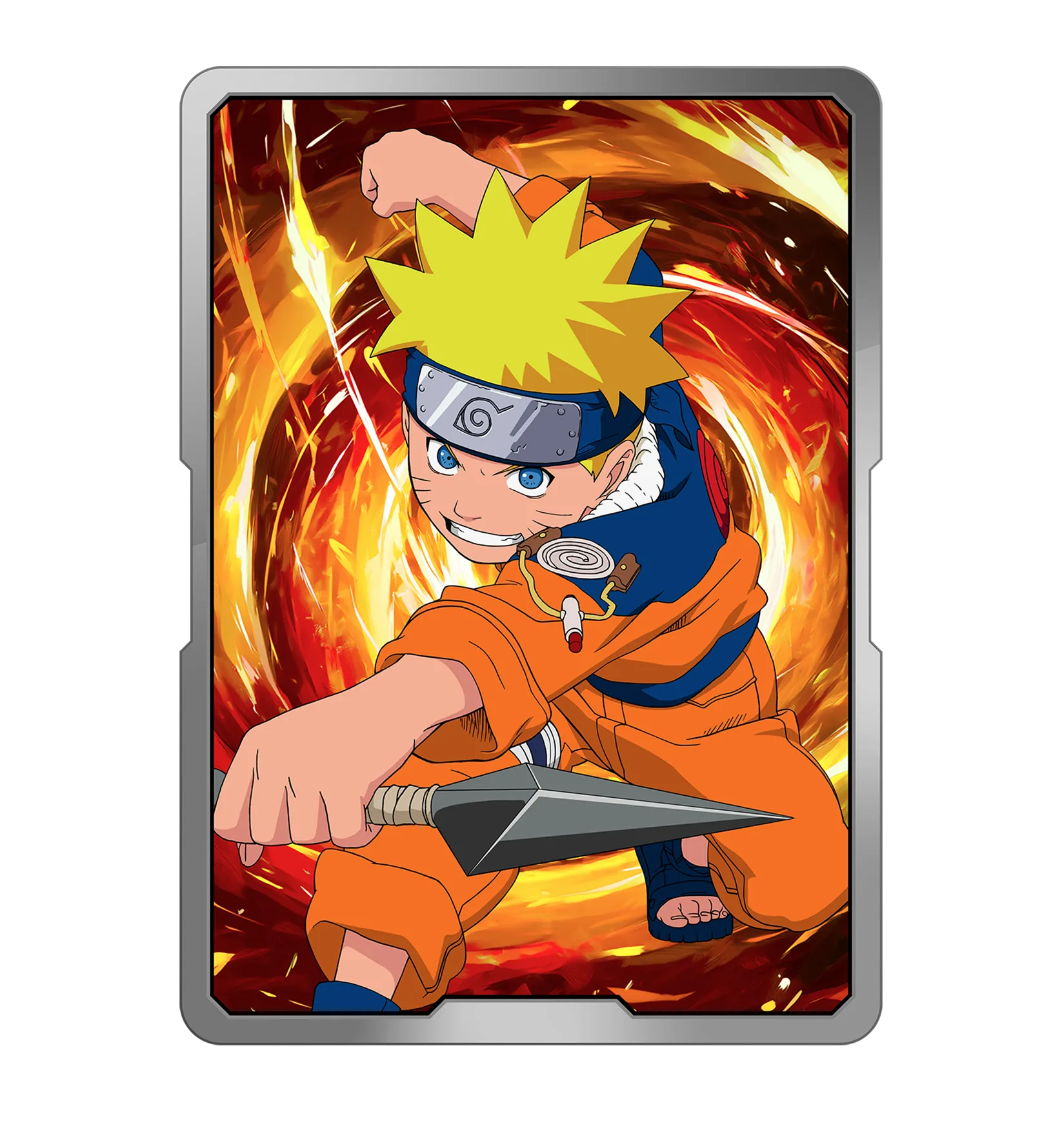
⭐ Key Card #2 – Naruto: Multi Shadow Clone
This might be the best pure hit-generation card in the deck.
On deploy:
Summon 2 clones with Chakra(2) and Rush(4s) on the other lanes.
Then, after 10 seconds:
Two more clones are summoned.
Naruto therefore turns a single deployment into pressure across the entire board.
That is exactly what we want against Nibi.
Instead of spending three separate deployments establishing three lanes, one Naruto immediately spreads pressure across all three.
And because the clones have Rush(4s), they're designed to start moving quickly.
Best use
Deploy Naruto when you have room for his clones.
Don't waste his biggest advantage by deploying him into a board where the extra bodies cannot provide meaningful pressure.
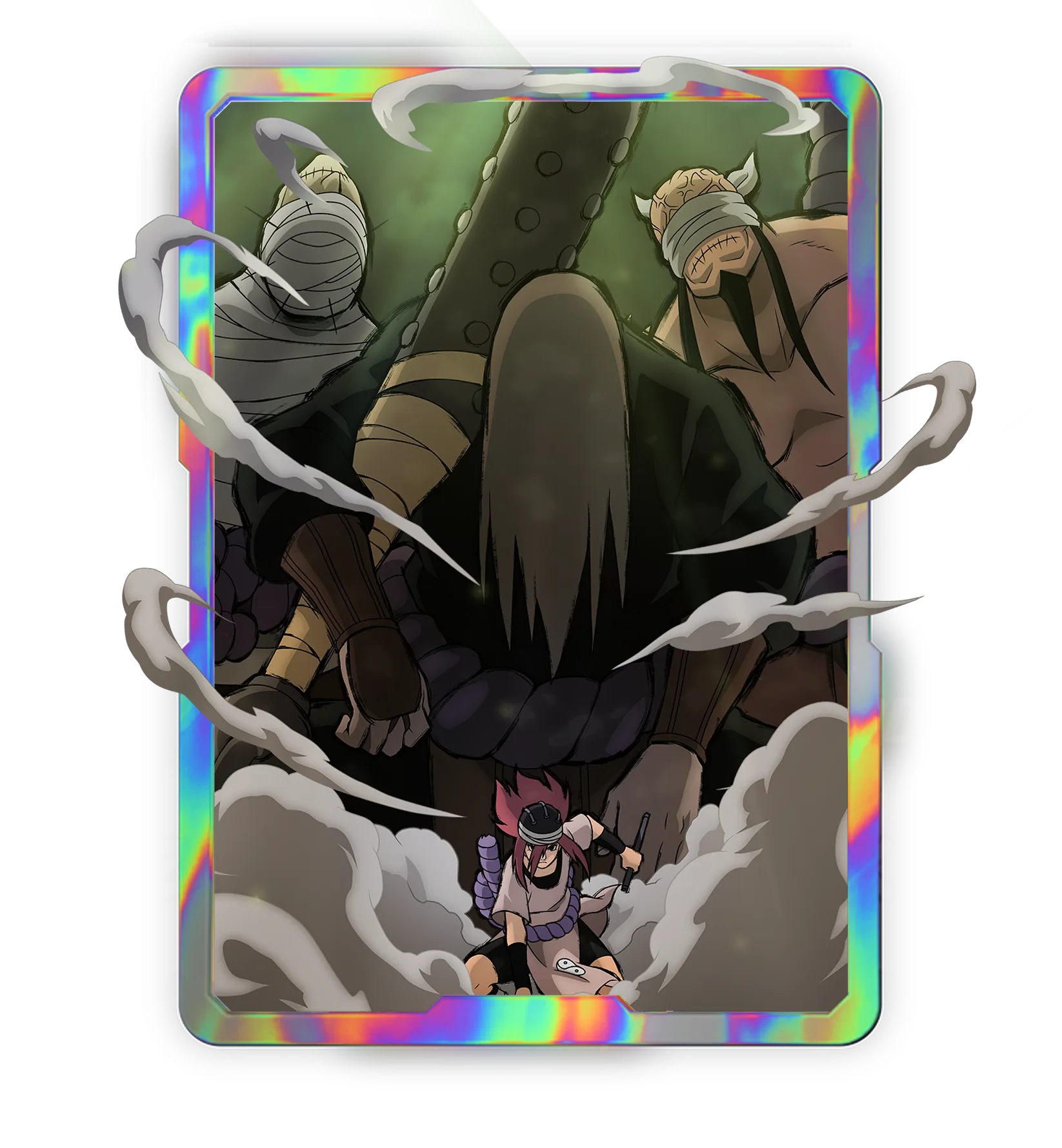
⭐ Key Card #3 – Tayuya: Doki Summoning
Tayuya is the second major board-flood engine.
She begins with Focus, and if that Focus succeeds:
She summons a Doki demon on every lane.
Even better, while Tayuya is active:
Whenever you Summon other cards, those cards gain Chakra(+1).
That creates direct synergy with:
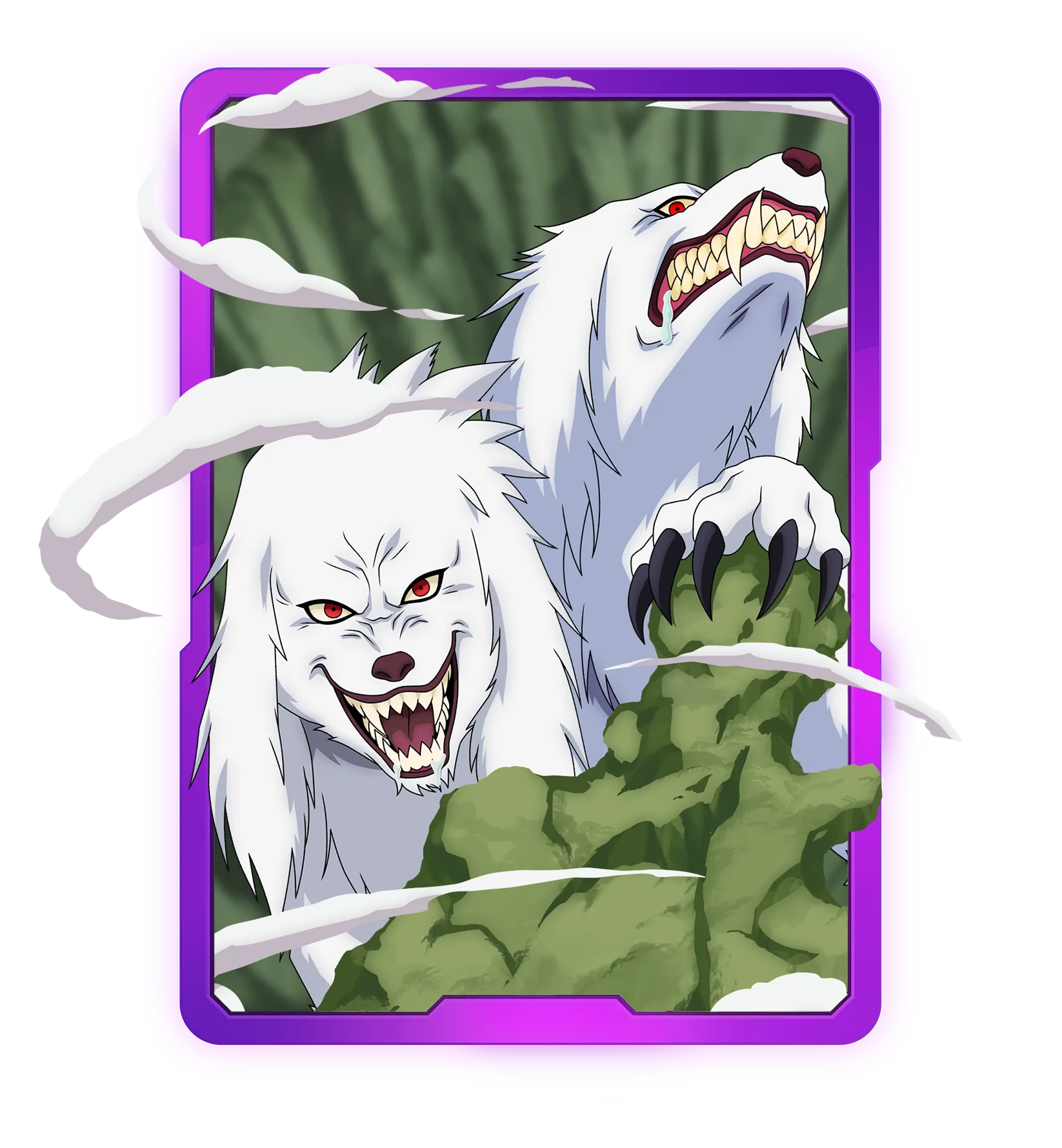
Kiba → Akamaru
Naruto → Shadow Clone
Naruto → Multi Shadow Clone
Student Trio → Konohamaru / Moegi / Udon
Koharu → Anbu
So Tayuya isn't simply adding three bodies.
She makes practically the entire summon package stronger.
Her Doki demons also cause her to ignore rival skills and encounters while they're active, giving Tayuya herself an additional layer of protection.
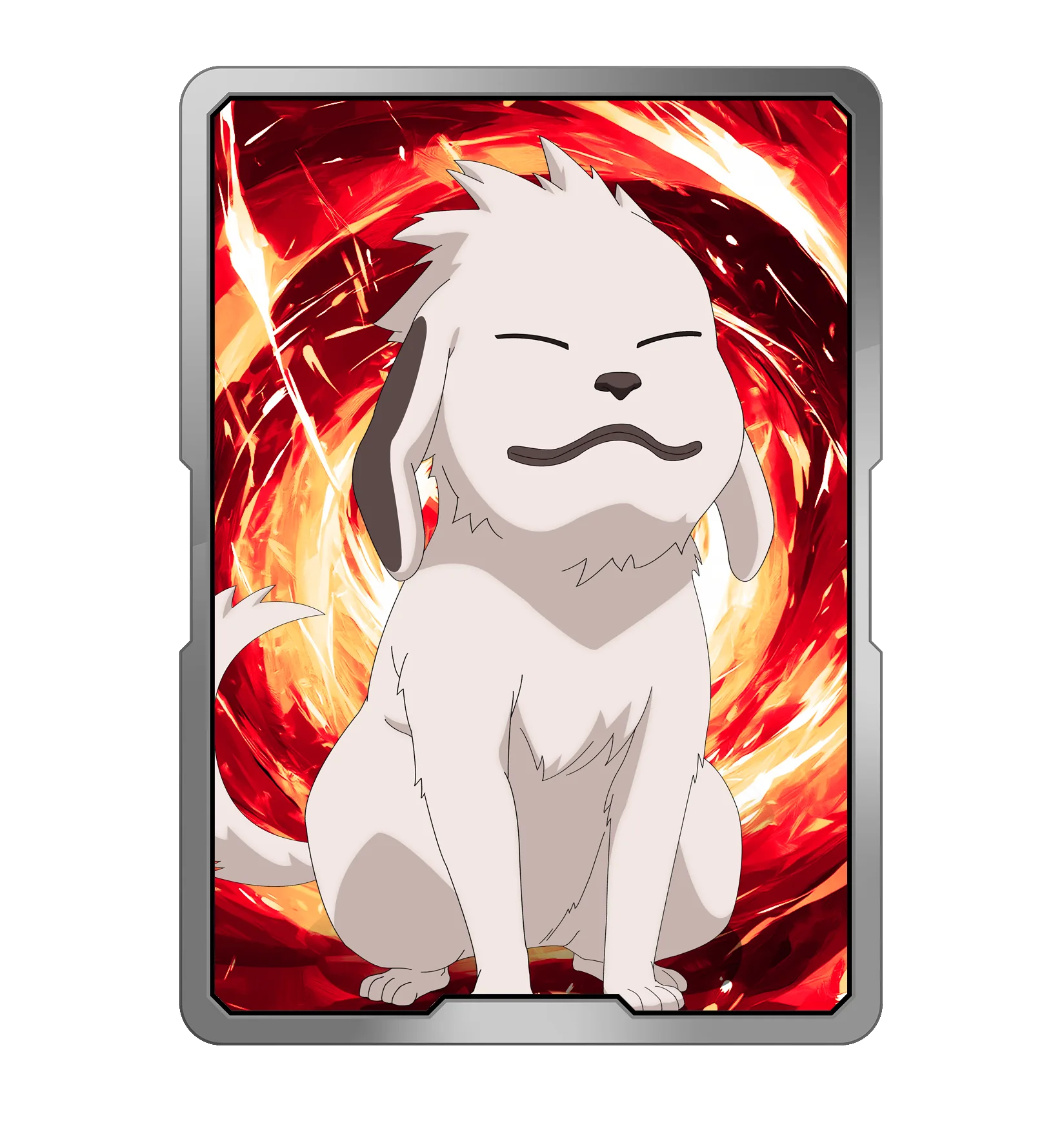
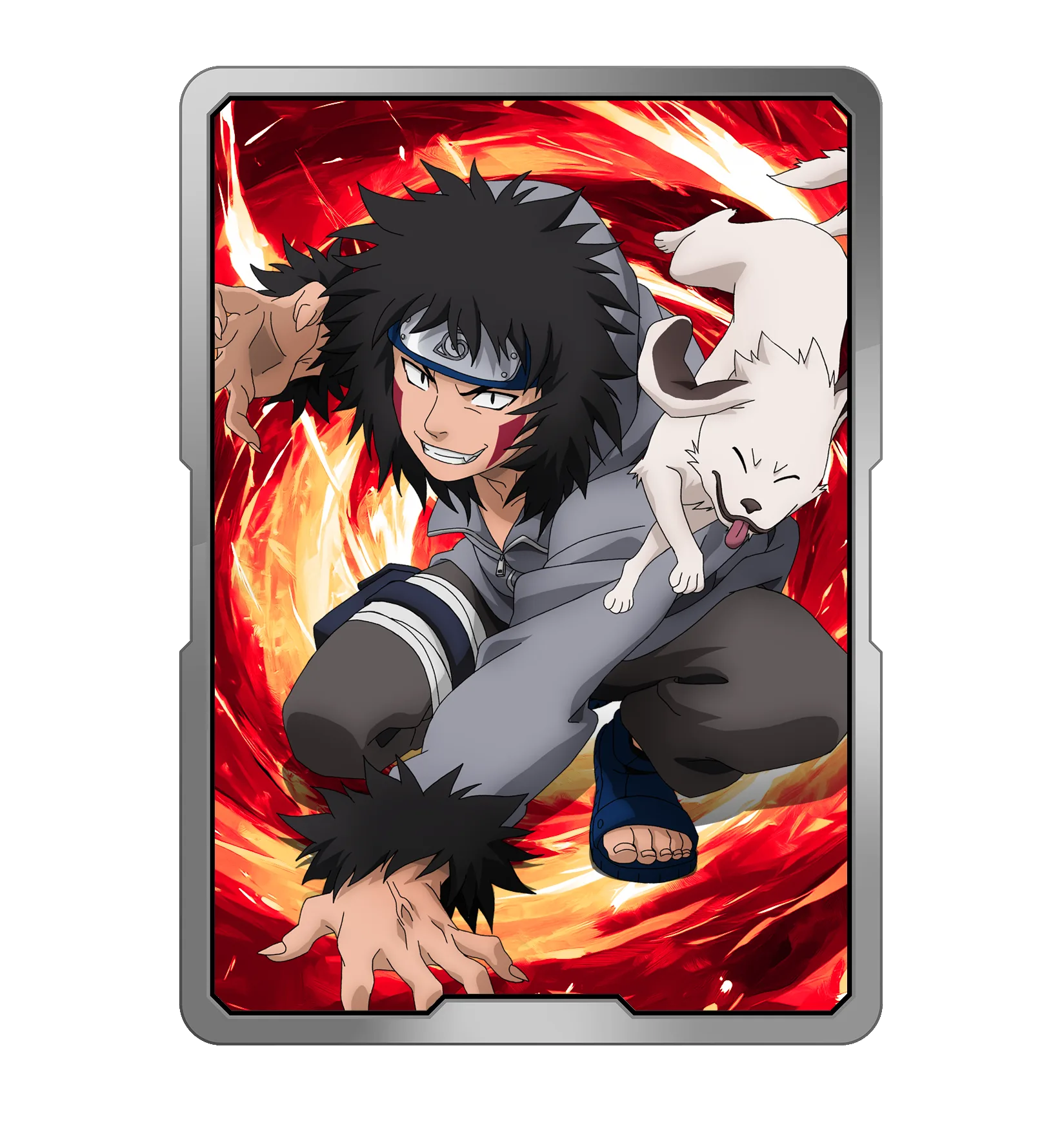
Kiba + Akamaru
This is one of the cheapest engines in the deck.
Kiba – Best Friend summons a random Akamaru from the deck and gives it Chakra(+1).
Our Akamaru already has:
Rush(7s)
So Kiba effectively converts one deployment into two bodies, with Akamaru immediately built to race toward the objective.
If Tayuya is active when Akamaru is summoned, the summon can gain another Chakra(+1).
For only 2 Energy, that is excellent pressure.
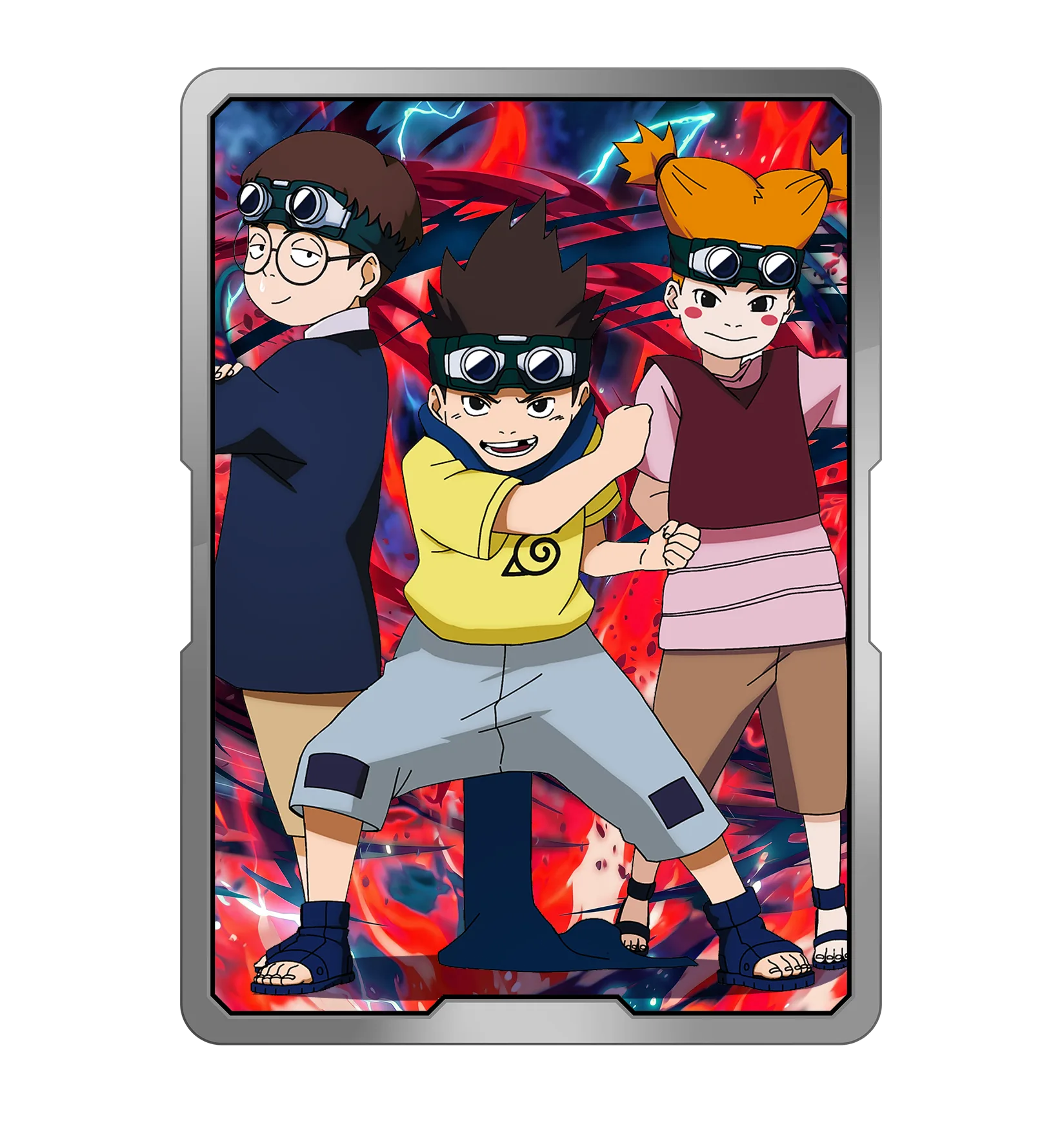
Student Trio – Team Konohamaru
Student Trio is particularly interesting for this strategy because its value comes after it withdraws.
It redeploys as:
Konohamaru
Moegi
Udon
with Rush(4s) and Chakra(1) across the three lanes.
In other words, losing the original card doesn't simply remove your pressure.
It creates three new attackers.
That's exactly the kind of card we want in a boss battle where keeping bodies moving toward the boss matters more than maintaining a conventional board.
Naruto – Shadow Clone Jutsu
Simple, cheap and efficient.
For only 2 Energy, Naruto summons another clone with Chakra(2) onto another lane.
The card's job isn't complicated:
One deployment → two bodies.
That is excellent for maintaining lane coverage without spending large amounts of Energy.
Koharu – Security
Koharu provides another delayed body.
After 8 seconds, she deploys Anbu Black Ops.
That makes her another card capable of generating additional board presence from one initial deployment.
The downside is timing.
Unlike Kiba or Naruto, you don't receive the additional unit immediately, so Koharu becomes more valuable when she can remain active long enough for Security to trigger.
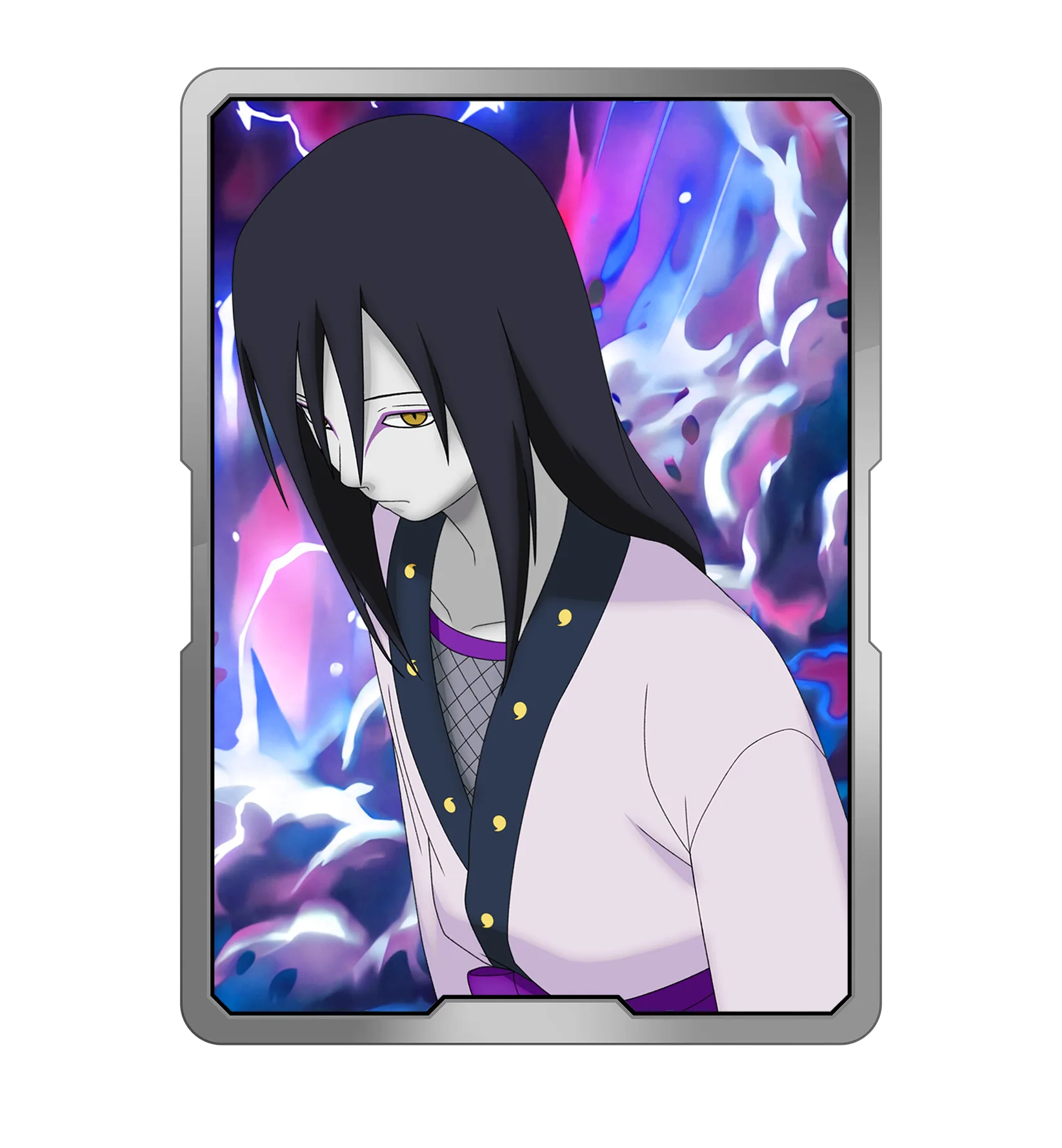
Orochimaru – Guarded
There is nothing flashy about this card — and that's precisely the point.
At only 1 Energy, Orochimaru provides Guard(2).
That makes him an extremely cheap body that can absorb pressure while leaving your Energy available for the deck's expensive engines.
Not every card in the deck needs to generate a combo.
Some cards simply need to be cheap and efficient.
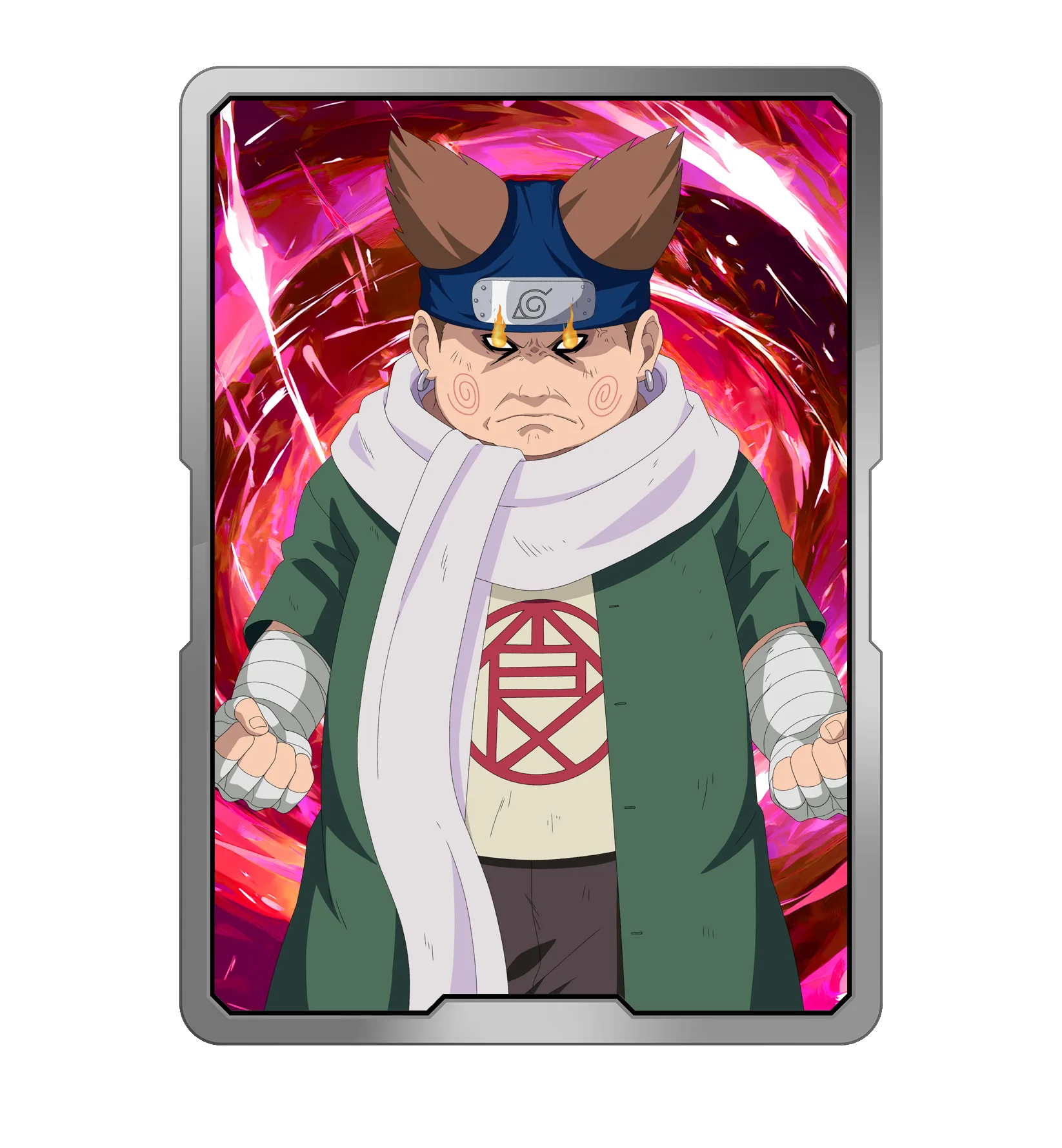
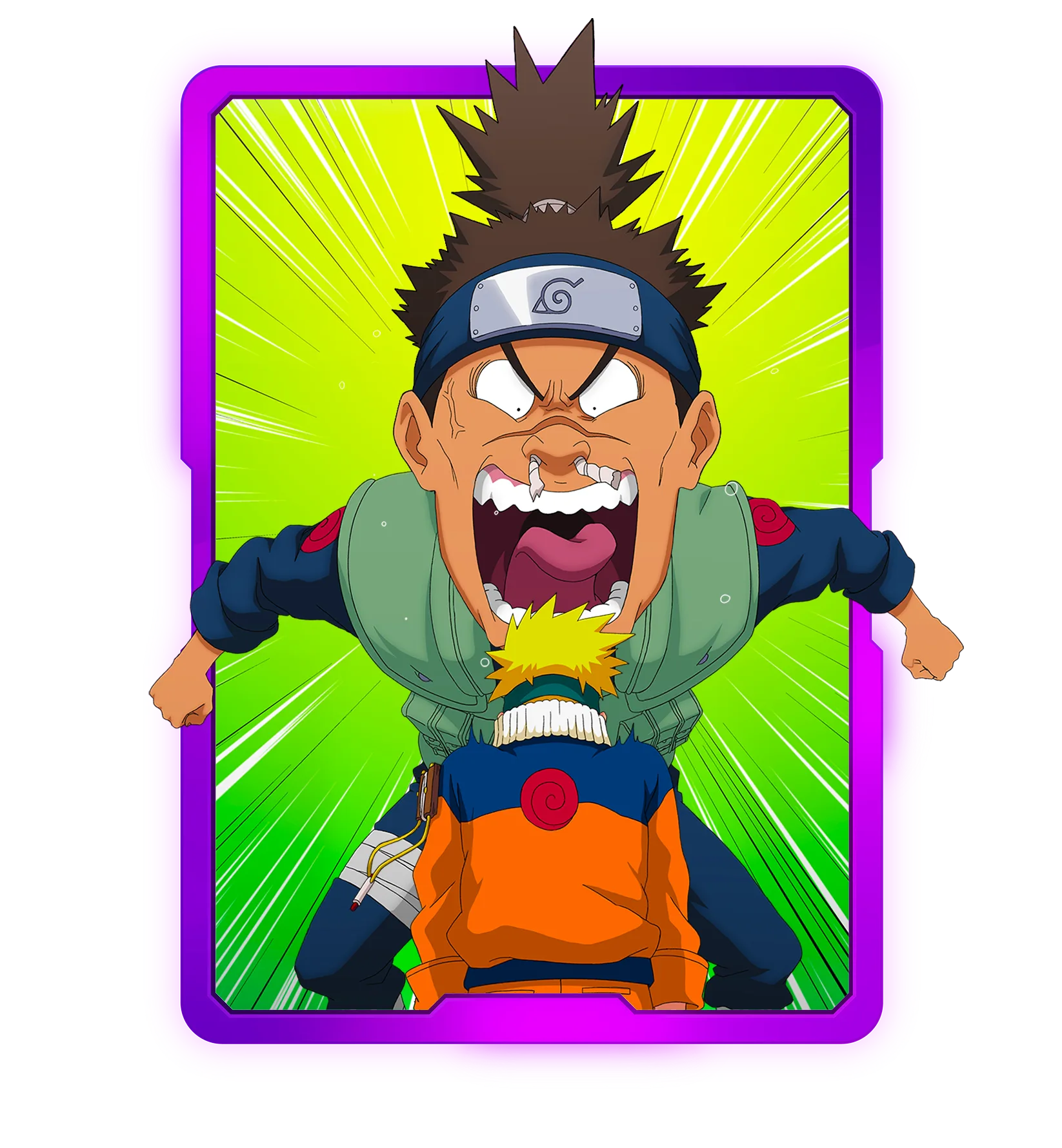
Choji – Strength
Another 1-cost utility card.
On encounter:
Push(2) the rival card.
Choji gives the deck another extremely inexpensive deployment while providing Push interaction.
That Push can also help manipulate enemy positioning and potentially contribute toward creating the withdrawal conditions Gaara wants.
Recommended Game Plan
Opening
Prioritize your cheap pressure and summon cards.
Good early deployments include:
Akamaru, Kiba, Shadow Clone Naruto, Orochimaru and Student Trio.
The goal is to establish pressure without immediately exhausting your Energy.
Mid Game
This is where you want to establish one of the major engines:
Multi Shadow Clone Naruto for immediate multi-lane pressure, or Tayuya for the longer summon engine.
If Tayuya successfully establishes her Doki demons, subsequent summon effects become considerably more valuable.
Gaara Timing
Don't treat Gaara as just another 6-cost card to throw onto the board whenever possible.
His purpose is control.
You want Sand Tsunami to repeatedly pressure Nibi's board and create the withdrawal that activates Seal(5s).
If Seal truly interrupts the relevant Nibi boss ability as expected, the timing of Gaara could become one of the most important parts of the entire fight.
End Game
Keep cycling bodies.
This isn't a deck where losing a unit necessarily means you're losing momentum.
Student Trio wants to transform into three attackers. Multi Shadow Clone generates replacement clones. Kiba creates Akamaru. Koharu creates Anbu.
The deck is designed to keep producing new attack opportunities.