All Naruto deck guides
NARUTO: Ninja Cards · Deck Guide

itachi-lane-control-deck-guide

Control the battlefield with Itachi – Carnage and punish cards whenever they enter his lane. This deck combines Pin, Weaken, Slow, Push and constant lane switching with the Old Friends Chakra engine to disrupt the opponent while keeping your own board moving.

Published September 12, 2026 · Updated September 12, 2026 · 10 / 10 cards
itachi-lane-control-deck-guide featured image

Decklist

Itachi Uchiha
Itachi Uchiha
S3 · #096 · Legendary · Chakra 6
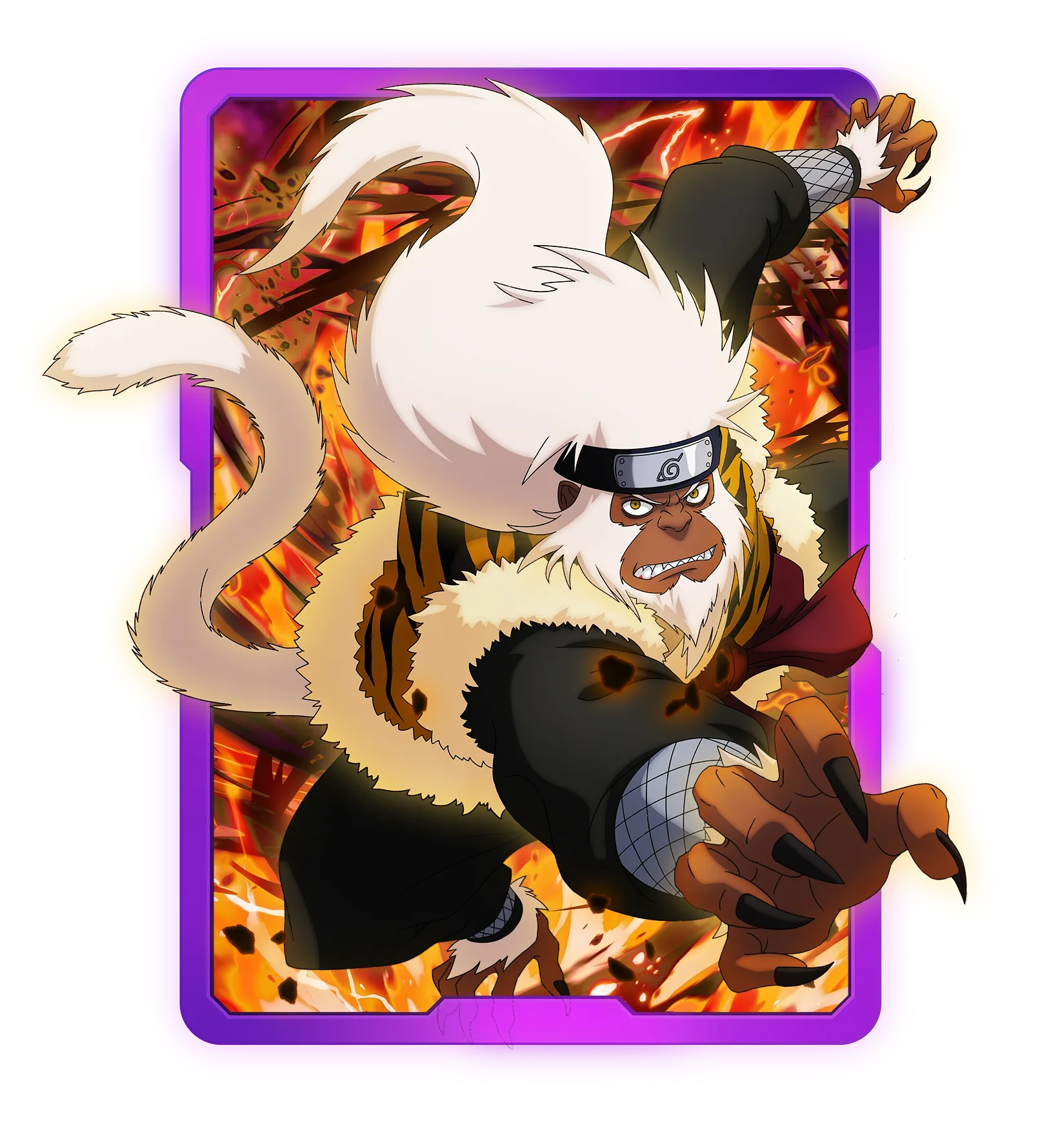
Enma
Enma
S2 · #090 · Epic · Chakra 4
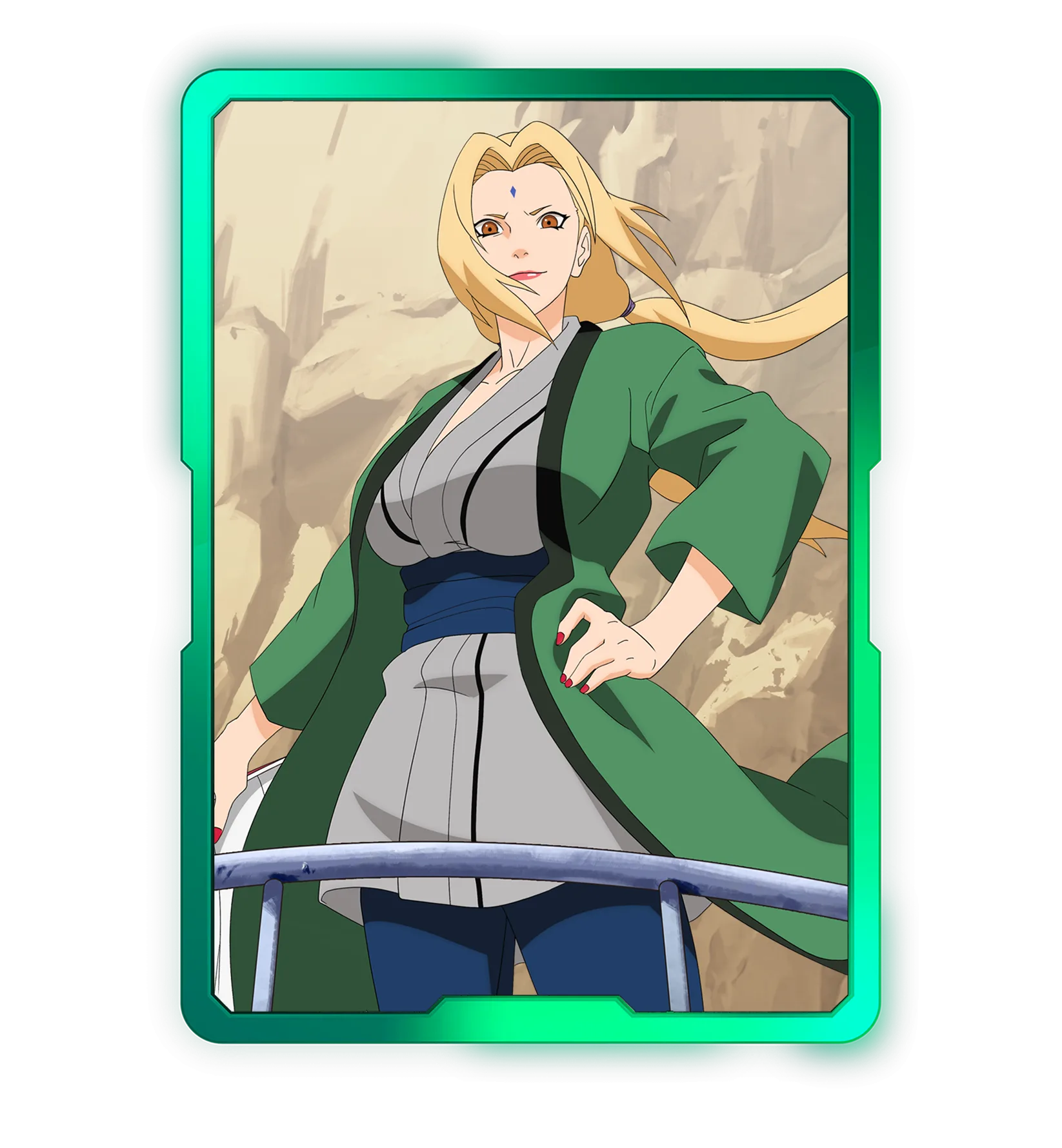
Tsunade
Tsunade
S3 · #060 · Rare · Chakra 6
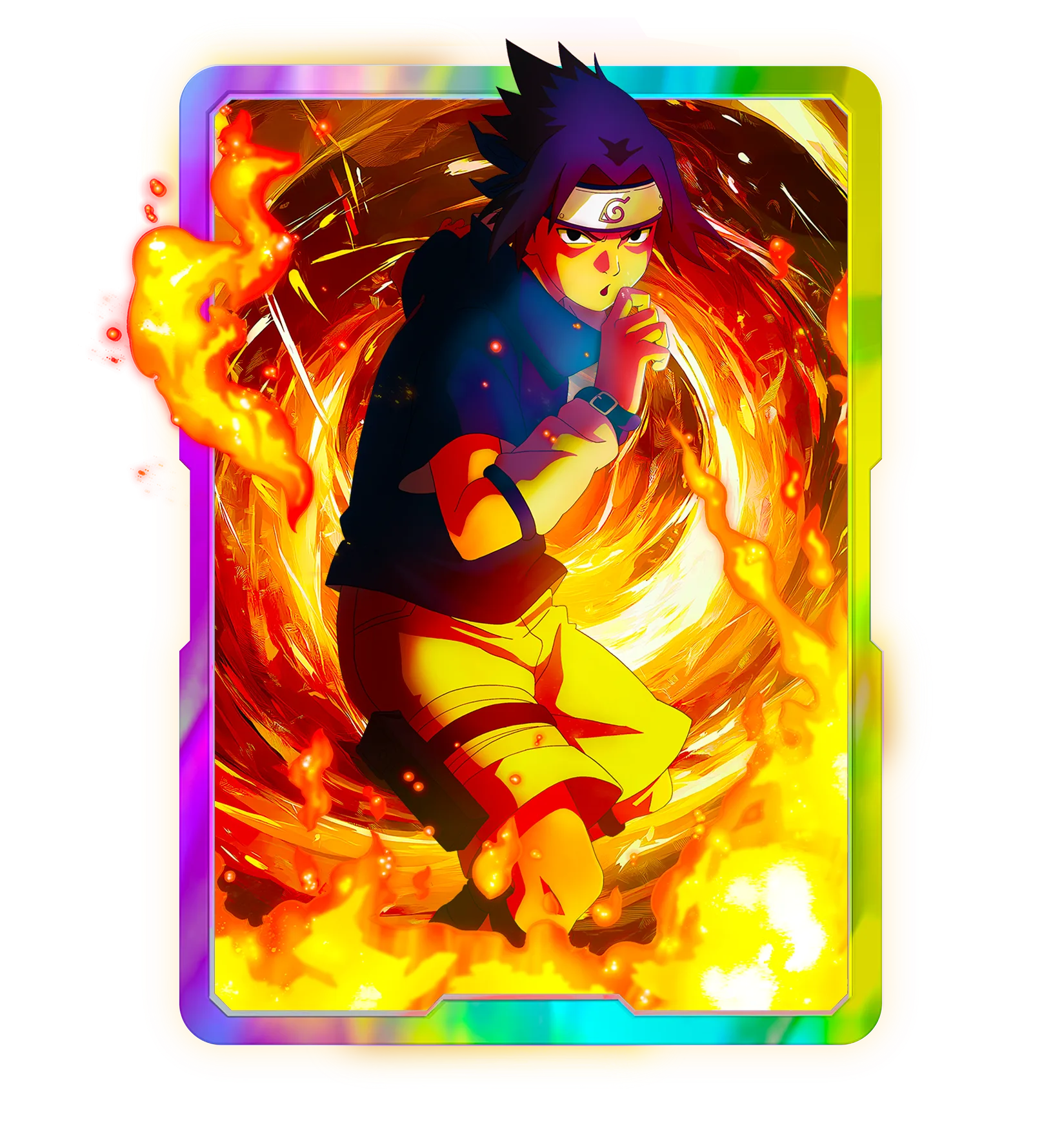
SASUKE UCHIHA
SASUKE UCHIHA
S1 · #081 · Legendary · Chakra 3
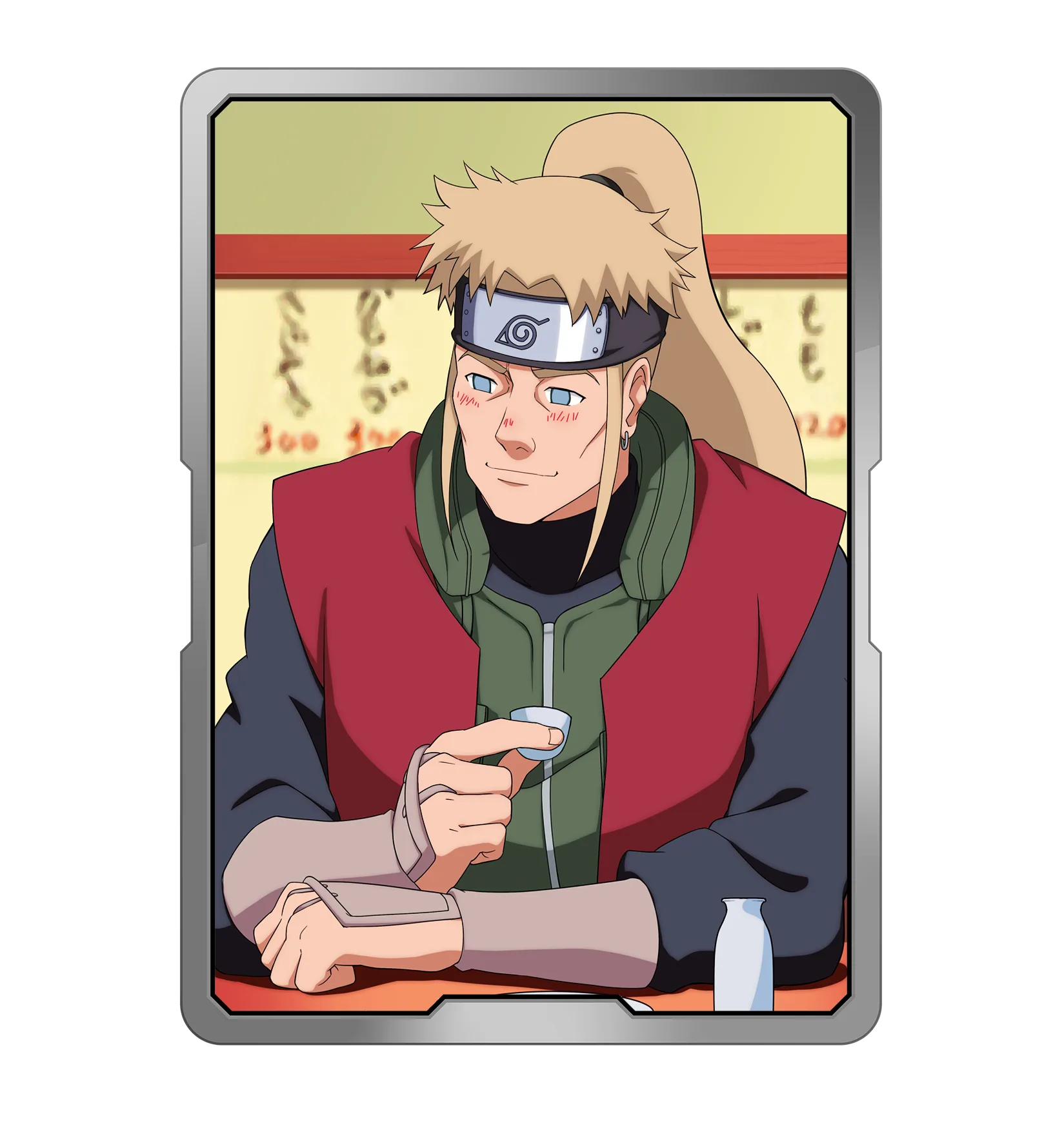
Inoichi Yamanaka
Inoichi Yamanaka
S2 · #019 · Common · Chakra 5
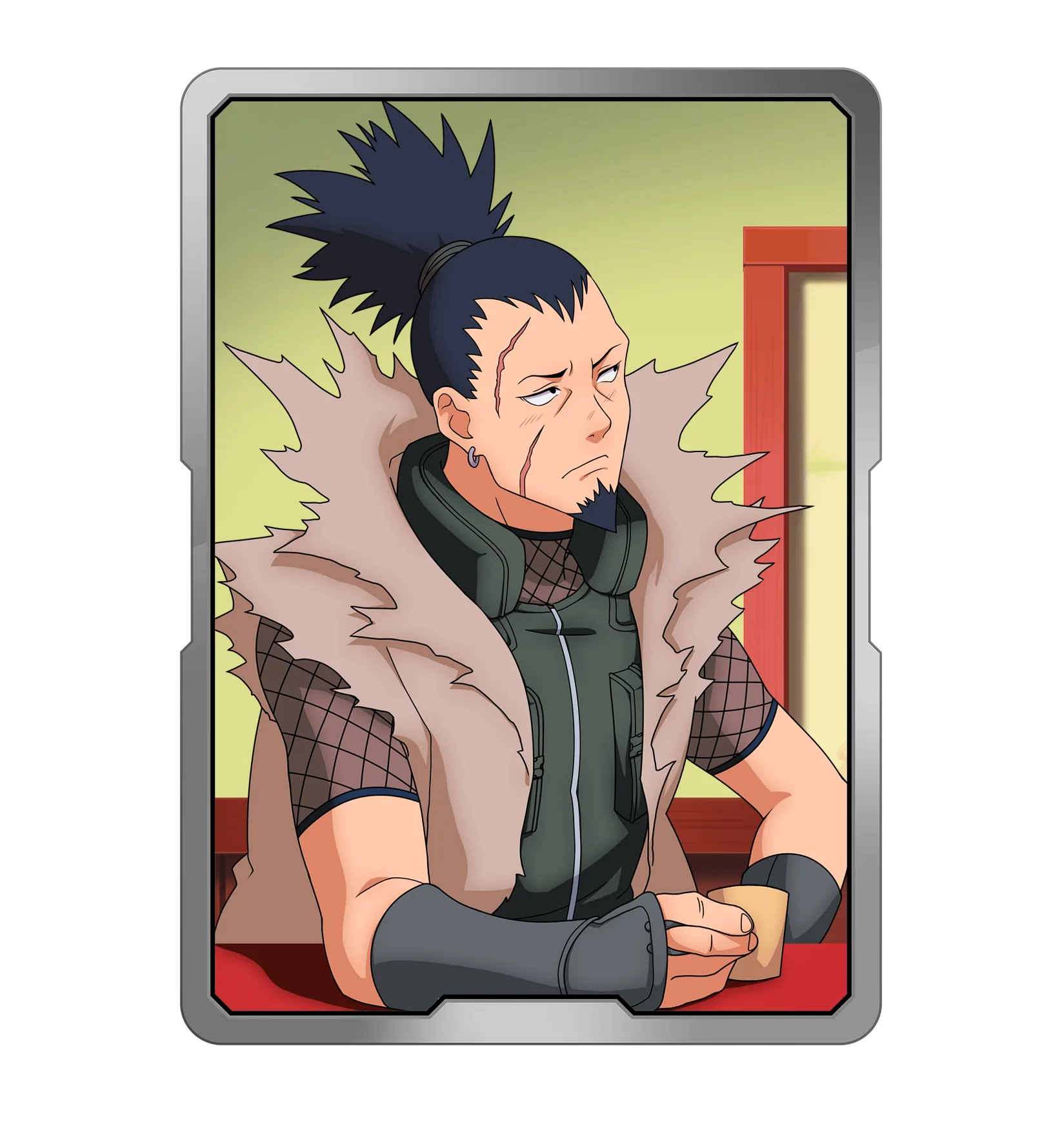
Shikaku Nara
Shikaku Nara
S2 · #020 · Common · Chakra 5
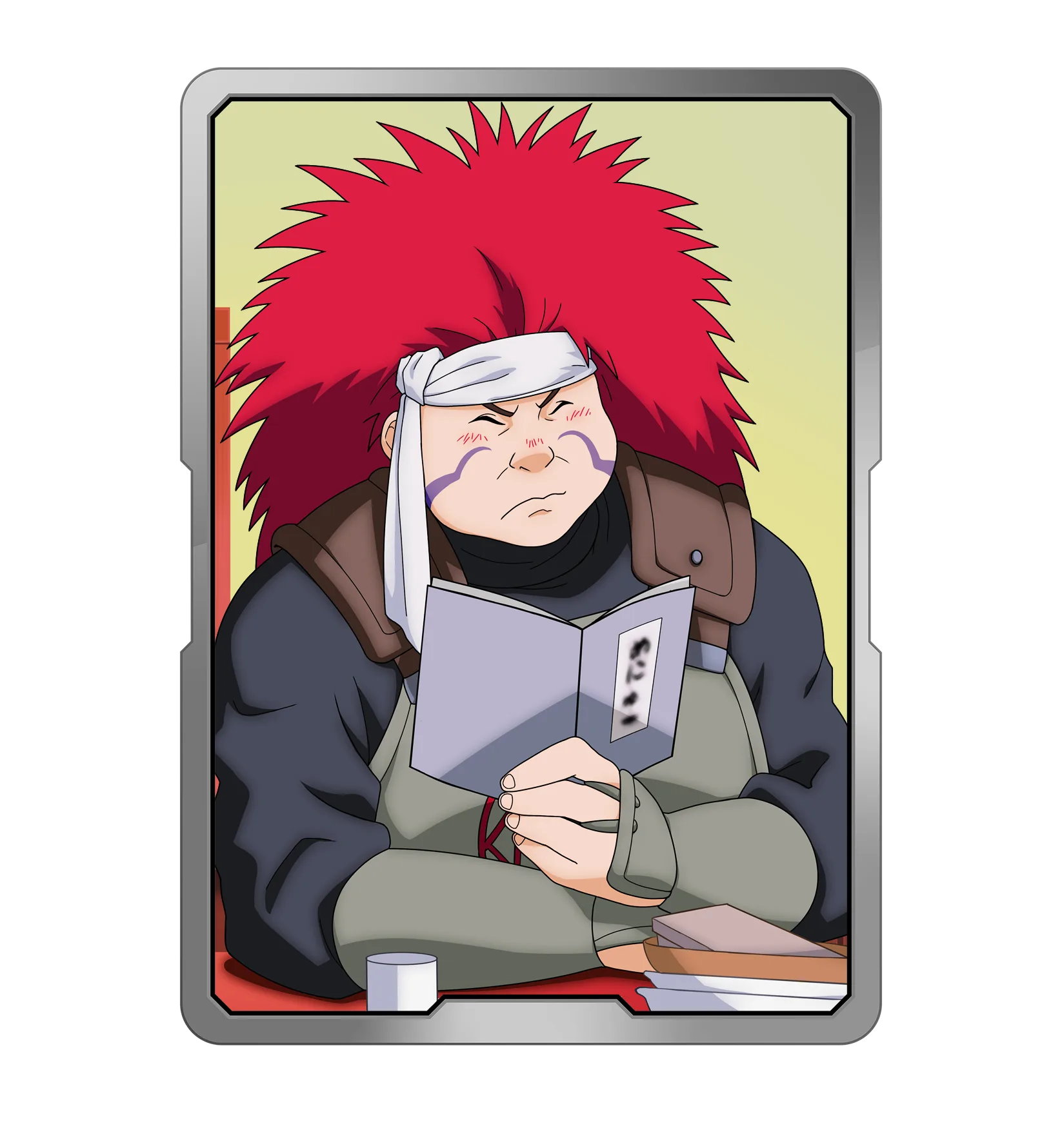
Choza Akimichi
Choza Akimichi
S2 · #018 · Common · Chakra 5
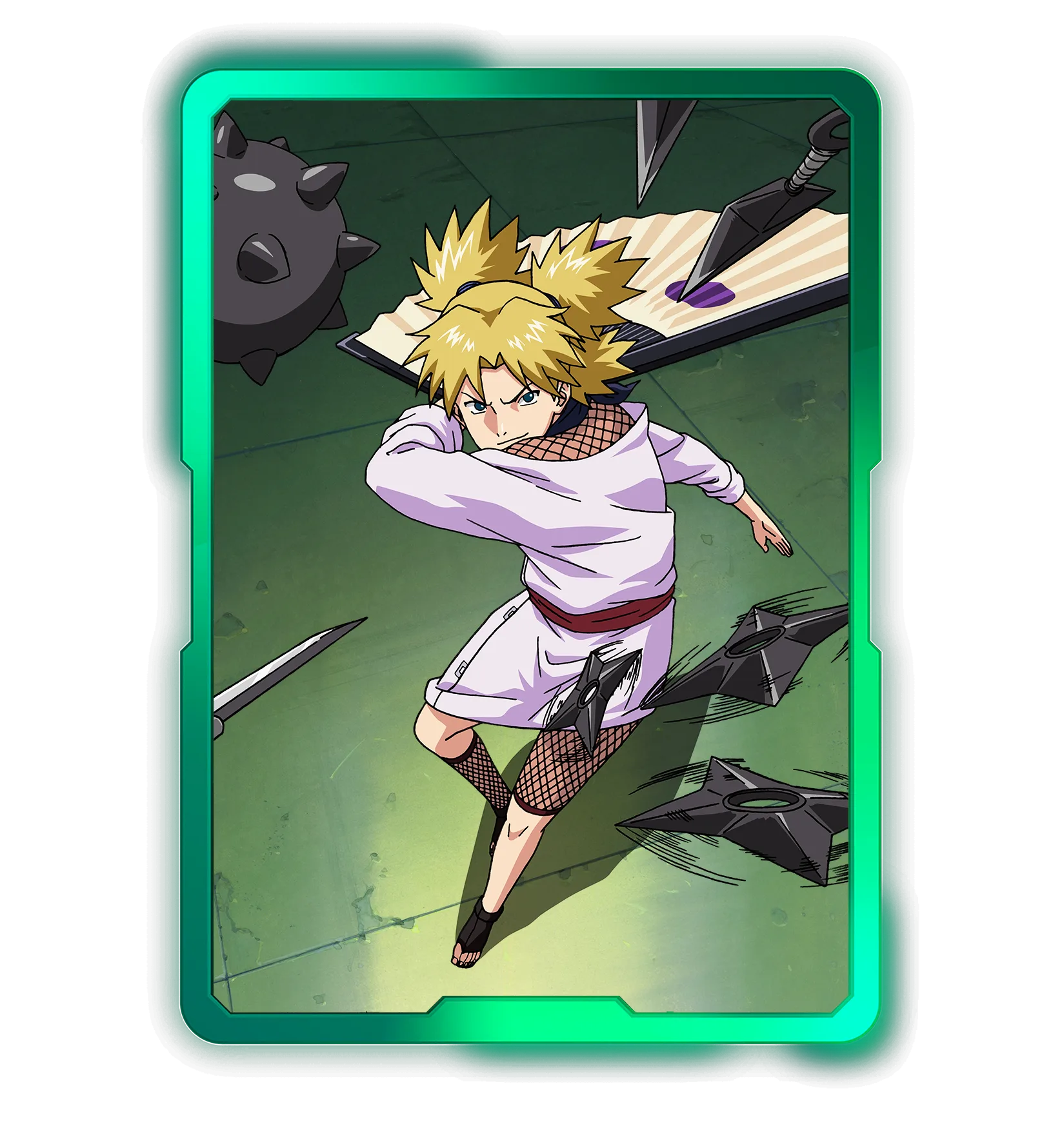
Temari
Temari
S2 · #061 · Rare · Chakra 2
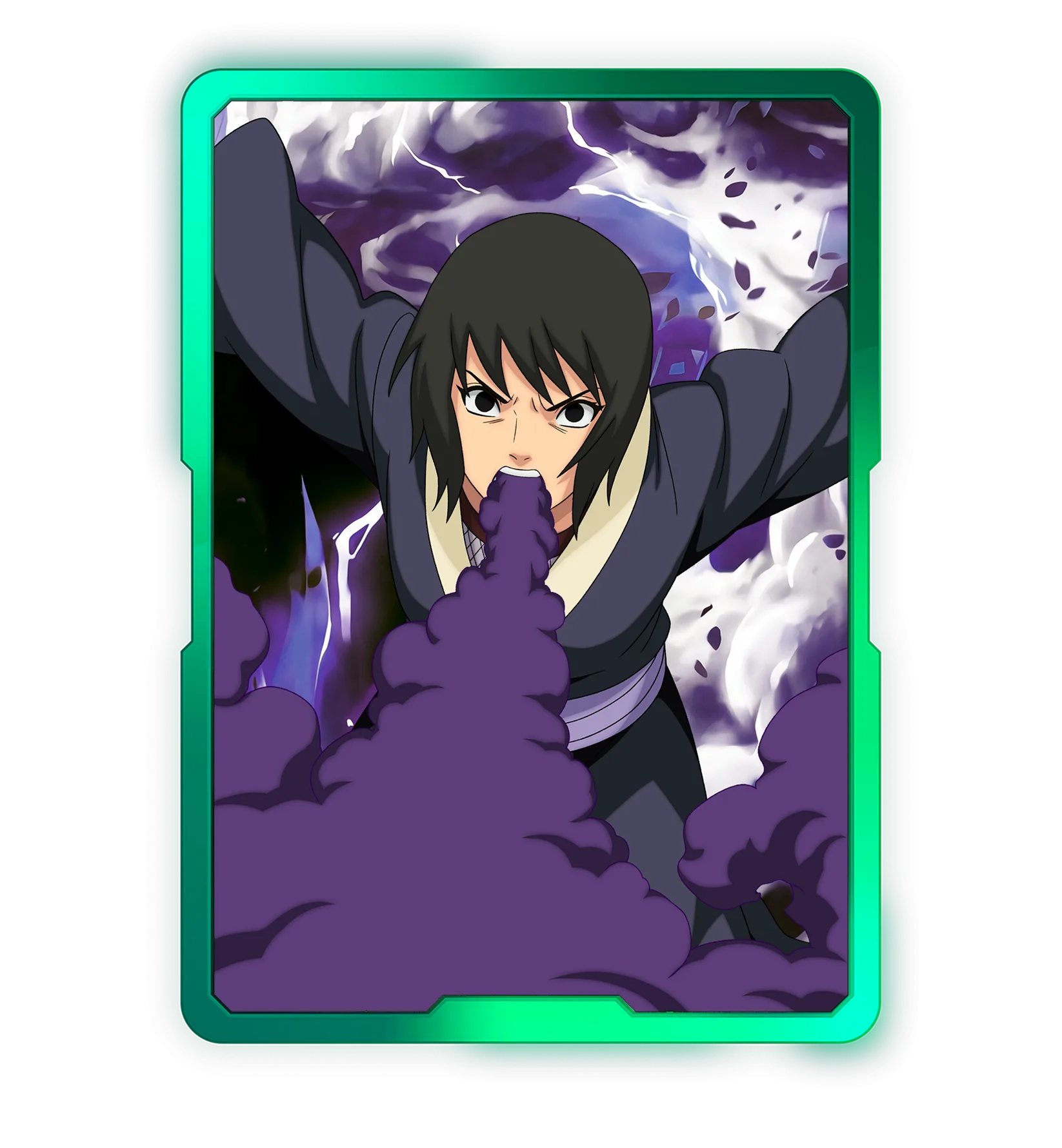
Shizune
Shizune
S3 · #069 · Rare · Chakra 5
IRUKA UMINO
IRUKA UMINO
S1 · #051 · Rare · Chakra 1
Chakra Chart
Cards per Chakra cost
10 cards
  • 1 Chakra
    1 card
  • 2 Chakra
    1 card
  • 3 Chakra
    1 card
  • 4 Chakra
    1 card
  • 5 Chakra
    4 cards
  • 6 Chakra
    2 cards
Build your own version
Open the NARUTO: Ninja Cards Deck Builder

Guide

Itachi Lane Control Deck Guide

This deck is built around controlling where cards are positioned and punishing the opponent whenever they try to establish their board.

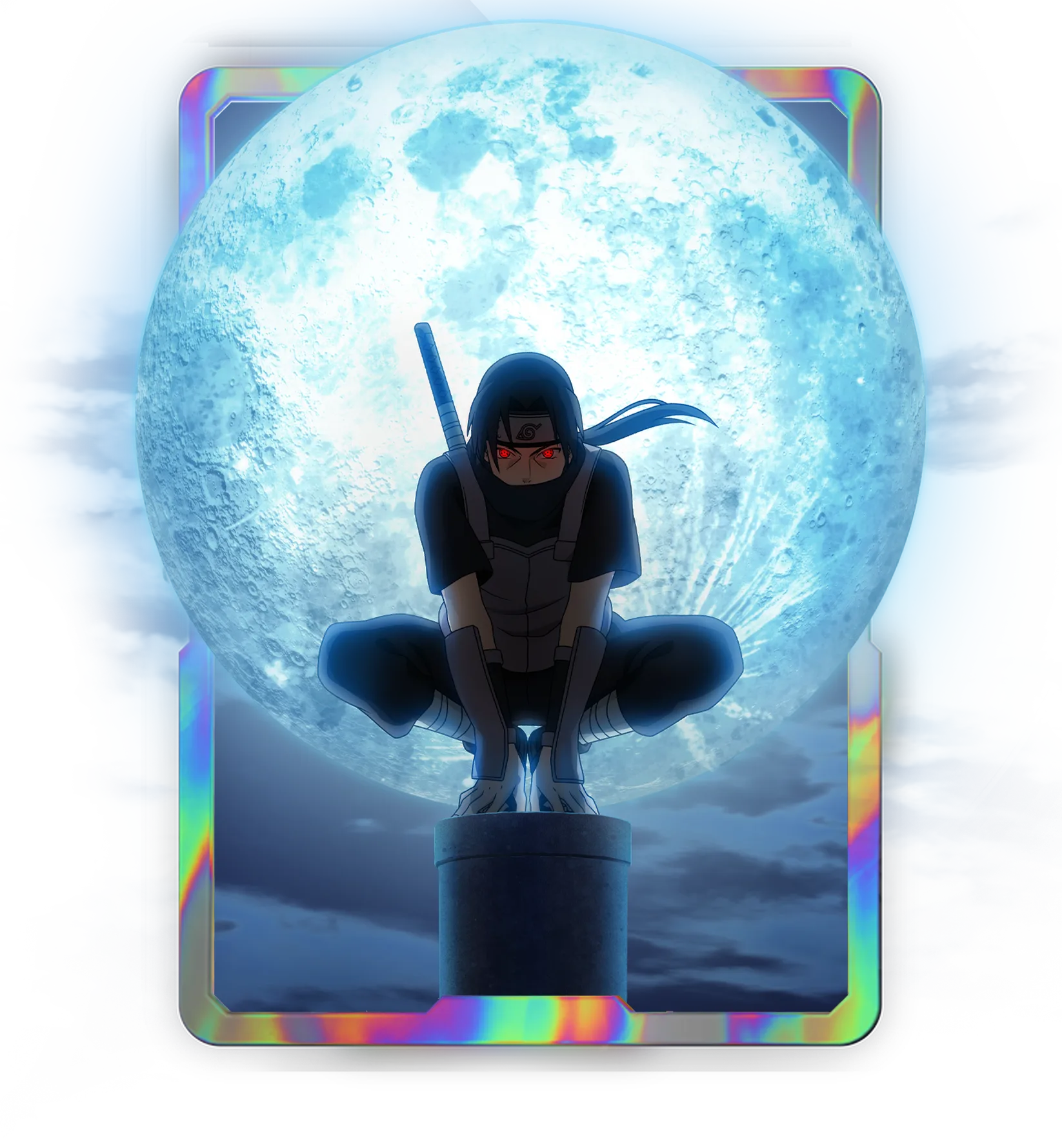
The centerpiece is Itachi Uchiha – Carnage. Whenever any card is deployed on his lane, Itachi applies Weaken(1) and Pin(10s). If that card has 3 or less Chakra, he applies Weaken(3) instead, before switching lanes afterwards.

That makes normal deployment decisions much more awkward once Itachi is active.

Instead of relying on Itachi alone, the rest of the deck adds several different forms of disruption. Shizune – Poison Mist can Slow cards in Mid Range and disable their skills, Temari – Giant Folding Fan repeatedly Pushes rivals, while Sasuke – Fireball Jutsu provides immediate multi-target Weaken pressure.

The deck also contains a separate resource engine through Choza, Shikaku and Inoichi – Old Friends. Each one provides Chakra to the other two characters while active, allowing the trio to become much more difficult to remove when multiple pieces are established.

Finally, Enma – Monkey King rewards allied lane switching with additional Chakra, giving the deck another way to turn all of its movement into value.

The result is a control deck that attacks the opponent from several directions at once: positioning, Chakra, skills and deployment timing.

Strategy — how the deck works

1. Itachi Turns Deployments Into a Liability

Itachi – Carnage is the main control payoff.

Whenever any card is deployed on his lane, he:

Weaken(1) + Pin(10s)

If that card has 3 or less Chakra, the Weaken becomes:

Weaken(3)

Itachi then switches lanes.

The important detail is that the trigger says any card, not only rival cards. Your own deployments can therefore trigger Carnage as well.

That makes Itachi a very unusual positioning card. Once he enters the board, you need to pay attention not only to what the opponent deploys, but also to where you deploy your own cards.

His automatic lane switching also means he won't simply remain in one place indefinitely.

2. Shizune Can Shut Down Mid Range

Shizune – Poison Mist gives the deck a very different kind of disruption.

On deployment, she applies Slow(8s) to all cards in Mid Range and disables their skills.

Those cards then lose 2 Chakra every 4 seconds while affected by the Slow.

Again, the wording matters: Poison Mist affects all cards in Mid Range, including your own.

This makes Shizune powerful but potentially dangerous. Deploying her at the wrong moment can disrupt your own setup just as much as the opponent's.

Used at the right time, however, she can interfere with several cards simultaneously while draining their Chakra.

3. Temari Controls Positioning

Temari – Giant Folding Fan has Guard(2).

On deployment and whenever her Guard activates, she:

Push(2) all lane rivals.

This gives the deck repeatable positioning disruption and makes Temari particularly annoying to interact with directly.

Rather than simply removing Chakra, she can continuously interfere with where the opponent's cards are trying to go.

The Old Friends Chakra Engine

The three Old Friends cards create the deck's main internal Chakra engine.

Choza – Old Friends

While active:

Chakra(+2) to allied Shikaku and Inoichi cards.

Shikaku – Old Friends

While active:

Chakra(+2) to allied Inoichi and Choza cards.

Inoichi – Old Friends

While active:

Chakra(+2) to allied Choza and Shikaku cards.

This means the trio rewards you heavily for establishing multiple Old Friends at the same time.

With two or three active, they can build a much stronger Chakra board than their initial values suggest.

They also give the deck something extremely important: a secondary engine that doesn't depend on drawing Itachi.

You don't need Carnage every game for the deck to function.

Enma Turns Movement Into Chakra

Enma – Monkey King gives Chakra(+1) to allies whenever they lane Switch.

That's especially interesting here because Itachi – Carnage switches lanes after his trigger.

Enma therefore gives the deck a way to convert some of its movement into additional resources.

The important distinction is that Enma rewards allied lane switches. Enemy cards being moved around by your disruption don't generate Chakra through Enma.

Sasuke Adds Immediate Weaken Pressure

Sasuke – Fireball Jutsu is simple but useful:

On deploy, Weaken(2) all rivals in Mid Range.

There is no setup required.

That makes Sasuke useful when you need immediate Chakra pressure rather than another long-term engine.

He's also particularly useful for bringing enemy cards closer to the 3-or-less Chakra threshold where Itachi's Carnage becomes much more punishing.

Tsunade Gives the Deck Sustain

Tsunade – The Fifth provides two useful effects:

On deployment:

Chakra(+2) to all allies.

While she remains active:

Whenever an ally is Weakened, Heal(2) it.

This is particularly interesting in a deck containing effects that can interfere with your own cards.

Rather than adding even more disruption, Tsunade helps the board survive long enough for your different control engines to keep generating value.

Iruka Adds Chaos

Iruka – Goofball randomly switches lanes every 6 seconds.

He isn't the centerpiece of the deck, but his extremely low cost gives you a cheap moving body.

With Enma active, Iruka's repeated allied lane switching can also become a source of Chakra.

That turns what is normally a chaotic effect into something the deck can potentially benefit from.

Main Synergies 🔥 Itachi + Enma

Carnage causes Itachi to lane Switch after triggering.

Enma rewards allied lane switching with Chakra(+1).

So Itachi's constant movement can generate additional Chakra while he continues disrupting deployments.

🔥 Old Friends Trio

Choza, Shikaku and Inoichi mutually provide Chakra(+2).

Establishing multiple members creates a compact resource engine that can become difficult to remove efficiently.

🔥 Iruka + Enma

Iruka randomly lane Switches every 6 seconds.

With Enma active, those switches can generate Chakra(+1), giving the 1-cost Iruka an additional purpose beyond random movement.

🔥 Sasuke + Itachi

Sasuke applies Weaken(2) across Mid Range.

Lowering rival Chakra makes it easier to reach Itachi's 3-or-less Chakra breakpoint, where Carnage applies Weaken(3) instead of Weaken(1).

🔥 Tsunade + Weakened Allies

Tsunade heals allies whenever they're Weakened while she is active.

That provides useful recovery in a deck where some global/control effects can also affect your own board.

Strengths

  • Multiple disruption types — Weaken, Pin, Slow, skill disabling and Push make the deck difficult to navigate.
  • Punishes deployments — Itachi can make playing into his current lane extremely uncomfortable.
  • Strong Chakra engine — Old Friends provides a separate resource package independent of Itachi.
  • Excellent positioning pressure — Itachi, Temari and Iruka constantly change the board.
  • Enma rewards your own movement — Allied lane switches can become additional Chakra.
  • Doesn't rely on one combo — Itachi is the main payoff, but Old Friends and the other control cards can function independently.
  • Strong sustain potential — Tsunade can provide immediate Chakra and repeated healing.

Weaknesses

  • Itachi is expensive — At 7 cost, Carnage requires a meaningful commitment.
  • Your own cards can trigger Carnage — Poor deployment sequencing can create unwanted interactions.
  • Poison Mist is symmetrical — Shizune can Slow and disable your own Mid Range cards too.
  • High overall cost — The list contains several expensive cards, so resource management matters.
  • Old Friends needs multiple pieces — One card alone doesn't provide the full benefit of the engine.
  • Positioning can become chaotic — Between Itachi and Iruka, your own board isn't always static.
  • Control isn't automatically a win condition — Disrupting the opponent only matters if you convert that tempo into actual progress.

Matchup & gameplay notes

Early Game

Don't rush Itachi simply because he's the featured card.

The cheaper pieces can establish your board first. The Old Friends trio is particularly useful for building Chakra before committing your expensive control cards.

Iruka also gives you an inexpensive deployment when you don't want to spend heavily.

Mid Game

Start layering disruption.

Sasuke can soften multiple Mid Range rivals, Temari can interfere with positioning, and Shizune can create a major disruption window if the opponent has committed heavily to Mid Range.

This is also where Enma becomes more valuable if your own cards are switching frequently.

Late Game

Once Itachi – Carnage is active, pay close attention to deployment lanes.

Don't treat his trigger as something only the opponent has to worry about. Your deployments matter too.

Against low-Chakra cards, Carnage becomes especially punishing because the Weaken increases from 1 to 3.

The ideal late-game board doesn't necessarily lock the opponent out completely. Instead, it makes every deployment and positioning decision increasingly awkward.

Gameplay video